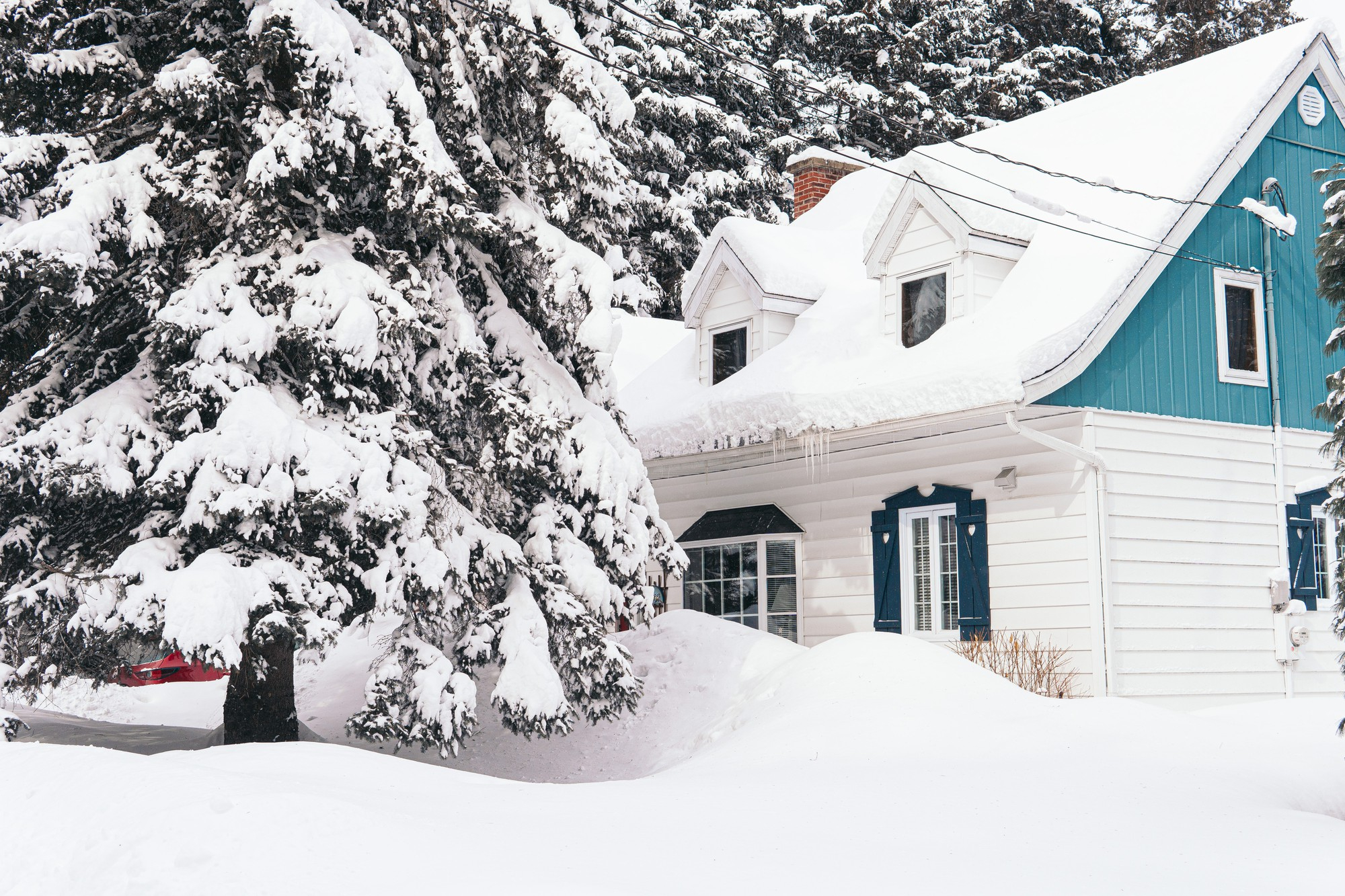
Seasonal weather has a way of reminding homeowners that nature always has the upper hand. One month your siding is glowing in the sun, your deck looks magazine-ready, and your outdoor decor is perfectly arranged. Then winter shows up, grinning like a villain in a holiday movie, and suddenly everything outside starts looking a little… stressed.
Roofs, siding, decking, landscaping features, garden structures — all of them react differently to temperature swings, moisture, wind, and freeze–thaw cycles. Even outdoor decor requires thoughtful handling, especially during the holidays when homeowners start attaching lights, garlands, and inflatables to every available surface.
This guide breaks down exactly how weather affects your home’s exterior and your seasonal decorations — and what you can do to protect them.
How Winter Moisture Impacts Home Exteriors
Moisture: The Silent Saboteur
Moisture is to home exteriors what sugar is to children: harmless in small amounts, but capable of total chaos when overconsumed. Winter brings repeated cycles of snow, sleet, freezing rain, and condensation — and your home’s materials absorb, shed, and respond to that moisture differently.
Wood swells. Vinyl contracts. Metal chills. Paint cracks.
Moisture is the through-line connecting all these symptoms.
Roofs and Moisture Buildup
Roofs are built to keep water out, but winter constantly challenges that mission. Snow melts during the day and refreezes at night, forming ice dams along the roof’s edge. Ice dams trap water, forcing it under shingles where it can cause:
-
Slow leaks
-
Soft roof decking
-
Mold in attics
-
Premature shingle wear
Winter gives your roof a stress test every single day — and the results show up long before spring.
Siding: Winter’s Favorite Target
Siding materials expand when warm and contract when cold. Winter speeds up the contraction, and moisture sneaking behind panels can make things worse. You may notice:
-
Warping or buckling
-
Loose panels
-
Cracked caulking lines
-
Water infiltration around seams
Wood siding is especially vulnerable since moisture seeps into the grain, freezes overnight, and expands — like tiny ice wedges pushing the wood apart molecule by molecule.
How Wind Affects Home Exteriors
Gusts, Storms, and Objects Flying Like They Have Free Will
Wind affects far more than just tree branches. It can loosen shingles, rattle siding, pull at decking railings, and send patio furniture across the yard like it suddenly decided to audition for an action movie.
Common wind-related exterior issues include:
-
Torn or lifted shingles
-
Siding panels pulled from their anchors
-
Fence sections weakening
-
Outdoor fixtures bending or detaching
You don’t fully appreciate wind power until you watch a plastic Adirondack chair sprint across your lawn.
Decking and Railings Under Wind Pressure
Deck boards rarely take flight, but wind can push moisture deeper into already stressed wood. Railings, however, often take the brunt of lateral force. High winds can:
-
Loosen screws and fasteners
-
Create wobble points
-
Stress already weakened posts
-
Reveal rotting sections you never noticed
A winter or early-spring inspection often tells a very different story than the calm summer look.
Freeze–Thaw Cycles: Nature’s Jackhammer
Your Exterior’s Daily Workout Routine
Freeze–thaw cycles are the reason winter damage seems sudden. Water seeps into tiny cracks during the day, freezes at night, expands by about 9%, and widens those cracks slowly but steadily.
Multiply that by dozens of cycles and you get:
-
Shingle cracking
-
Concrete patio flaking
-
Brick mortar crumbling
-
Deck boards splitting
This is the same natural process that cracks boulders — just scaled down and applied directly to your home.
Outdoor Decor: How Seasonal Weather Wreaks Havoc on Your Setup
Moisture + Electricity = A Bad Holiday Movie Plot
Whether you’re dealing with pathway lanterns, decorative stakes, garden sculptures, or seasonal lights, winter weather tests every attachment point, cord, and anchor. Moisture can cause:
-
Rust
-
Wiring damage
-
Cracking in resin statues
-
Peeling paint on metal decor
And anything labeled “indoor/outdoor” usually ages faster than expected when exposed to real outdoor conditions.
Wind: The Great Decor Relocator
Strong winds can send decor tumbling, twisting, or disappearing entirely.
Common casualties include:
-
Inflatable characters folding themselves in half
-
Wreaths flying off doors
-
Stakes popping out of the ground
-
String lights snapping at tension points
If it’s lightweight or loosely attached, winter winds will find it.
A Special Note on Christmas Lights and Seasonal Installations
Why Proper Installation Matters
Winter weather doesn’t just threaten your decorations — it can also damage your home if the lights aren’t attached correctly. The wrong fasteners, over-tight loops, or poorly anchored wires can lead to:
-
Shingle damage
-
Scratched siding
-
Water intrusion around staple holes
-
Detached gutters
-
Wind-whiplashed wires
This is why many homeowners prefer to hire professionals instead of relying on holiday enthusiasm and a ladder.
Local homeowners often turn to the best Christmas light installers. Professionals know how to anchor lights securely without damaging shingles, gutters, or siding — and they understand how to route lines so wind gusts don’t turn your holiday display into a tangled mess.
How Seasonal Weather Affects Specific Exterior Elements
Roofs
-
Snow adds weight
-
Ice dams cause backflow
-
Shingles become brittle in the cold
Siding
-
Temperature swings cause cracking
-
Moisture encourages mildew
-
Wind loosens panels
Decking
-
Boards swell and shrink
-
Freeze–thaw cycles split wood
-
Grain raises and surface becomes rough
Outdoor Fixtures
This includes:
-
Porch lights
-
Garden structures
-
Mailboxes
-
Decorative posts
-
Landscape edging
All are prone to rust, loose fasteners, and moisture damage.
How to Protect Your Home Exterior Through Each Season
1. Winter
-
Clear snow from decks and walkways
-
Watch for ice dams
-
Inspect gutters for ice blocks
-
Anchor decor securely
2. Spring
-
Power wash siding and decking
-
Repair cracked caulking
-
Check for roof edge damage
3. Summer
-
Seal decks
-
Repaint exposed trim
-
Tighten loose fixtures
4. Fall
-
Clean leaves from gutters
-
Redirect drainage paths
-
Install seasonal decor with weather-safe clips
Maintenance Tips for Weatherproof Outdoor Decor
Even decor rated for outdoor use still needs attention.
Try to:
-
Choose UV-resistant materials
-
Avoid metal-on-metal friction
-
Bring lightweight items inside during storms
-
Use plastic clips instead of nails or staples
-
Check wiring annually for cracks or wear
Outdoor decor has a lifespan — but good storage and smart placement can nearly double it.
Conclusion: Don’t Let the Seasons Surprise You
Seasonal weather can be tough on your home exterior and outdoor decor, but damage isn’t unavoidable. With routine checks, smart material choices, and weather-appropriate installation methods, you can protect the beauty and functionality of your outdoor space year-round.
And when it comes to holiday lights, especially those going near roofs or siding, hiring experienced professionals — like the best Christmas light installers in your area — ensures your home stays safe, festive, and weather-ready all season long.
Seasonal changes will keep coming, but with the right preparation, your home can handle anything nature throws at it.