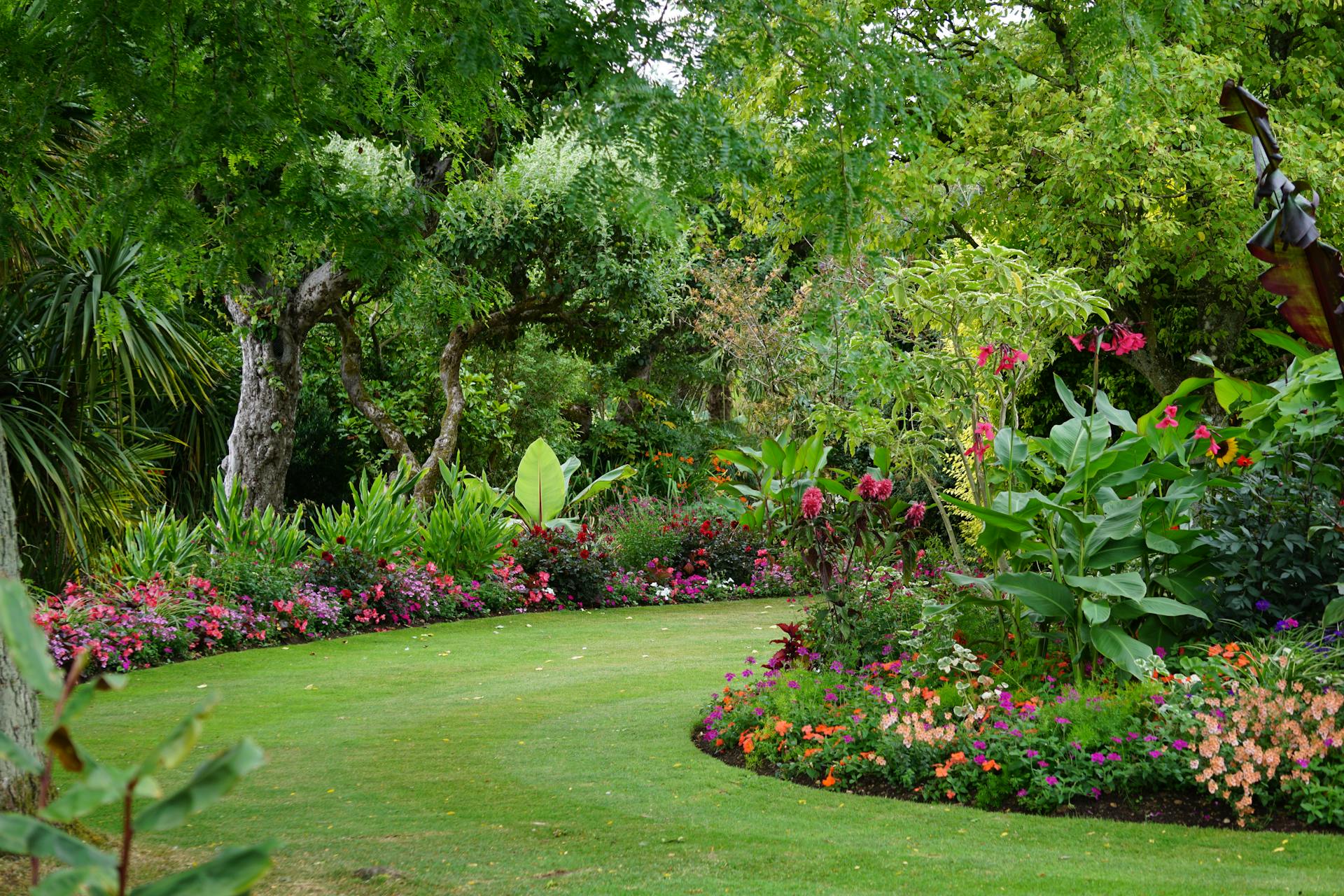
An overgrown garden can feel overwhelming. Tall weeds, patchy yellow grass, tangled shrubs, you name it. You look at the mess and assume it will take a load of professionals and a big budget to fix it all. However, the reality can be far more encouraging with some time, effort and planning. With the right approach, you can transform your neglected garden all by yourself, step by step.
The key is to not rush in blindly and to have a strategy that guides you, so you don’t get overwhelmed or make tasks worse for yourself. Before you pick up any tools and dive in, take a walk around the space and assess what you are working with. Identify what can be saved, what needs cutting back and what should go entirely. A clear plan will save you a lot of time, effort and unnecessary frustration later.
To help you rescue your neglected garden without hiring a landscaper, here are some important things that you need to know.
Start fresh and clear up
Every successful garden transformation begins with a clean slate. This doesn’t mean ripping everything out - it means removing what is no longer serving the space. Begin by clearing debris such as dead plants, fallen branches, and any rubbish and broken tools that have built up over time. Then you see more clearly and have more space to move onto the stubborn weeds. When a garden has been neglected for quite some time, these might be more deep rooted and need a little more time and effort to ensure they have been removed properly at the root, rather than just trimmed at the surface.
If your lawn is not completely out of control, don’t stress about perfection at this stage of the journey. A rough cut to bring everything down to a management level is enough to get started.
Remember, you are not trying to create the finished look with this stage; you are just clearing the way so you can see more clearly and work with a better space.
Identify what is worth saving
Not everything in a neglected garden is beyond repair. In fact, you might be surprised by what can be bound back with a bit of care. Look for healthy roots, strong stems, or signs of new growth. Established shrubs and trees, even if overgrown, can often be reshaped rather than removed. Keeping these elements saves money and helps maintain structure in your garden. This stage is about being selective. A garden filled with fewer, healthier plants will always look better than an overcrowded one with plants struggling to stay alive.
Reclaim the structure
Consider the edges, paths and the overall layout. Neglected gardens often blend into one big mess and lose their sense of structure. Lawn edges blur into borders, pathways disappear, and everything starts to feel chaotic and look unsightly.
Reintroducing structure in your garden space is a really quick and easy way to make a visible impact. Define your lawn edges using a spade or edging tool. Rediscover any gravel or stepping stones that have been taken over by debris and grass. You can, if you wish, create a simple pathway using gravel or bark, or if you have slabs around, create some stepping stones if there are not any.
You don’t need an elaborate design in your garden, just separation between areas and clear walkways. Once your garden has defined zones again, everything can be a little bit easier to manage and more intentional.
Cut back
One of the most intimidating parts of restoring a garden is knowing how much to cut back. It is tempting to be cautious, but overgrown plants usually need a firm hand. Start by removing dead, damaged or crossing branches. This instantly improves the plant's health and appearance. Then reduce excessive growth to bring back plants into proportion with the space. If you are dealing with trees, trimming matters. It also depends on the type of tree that you are trimming. For example, Georgia trees are beautiful garden trees, but you shouldn’t just hack at them. Instead, you need to learn when to prune Georgia trees. These are generally best done in late winter or early spring, while they are still dormant. This helps to encourage healthy growth without putting unnecessary stress on the tree. Understanding these seasonal timings ensures your efforts improve the plant rather than harm it.
The goal isn’t perfection - it’s control. Once everything is trimmed back, your garden will already feel significantly more manageable.
Revive the soil
After clearing and cutting back, it is a good idea to focus on what is going on below the surface. This is often missed, especially with a neglected garden that can suffer from poor soil quality, which will impact anything you try to plant in your revived space. This is even more important if you are going to grow vegetables.
Start by turning over compacted soil to improve aeration. Remove any roots or debris that may surface. Add organic matter or compost to help improve its health. This is the foundation of a thriving garden.
Choose simple, reliable plants
When replanting, it is tempting to go for variety and colour. While that is important to the overall look you are trying to create, reliability and maintenance should come first. Think about how much time you don’t mind spending in your garden, and what plants are going to thrive in your soil and climate.
Avoid overfilling your space, and give plants lots of room to grow. This will help your garden look less overcrowded, be easier to keep up and ensure it doesn’t slip back into an overgrown state.
Restoring a neglected garden might seem like a daunting task, but it's entirely achievable without hiring a landscaper. By breaking the process down into manageable tasks, clearing, cutting back, rebuilding structure, and building something you can maintain, you can transform your space and keep it that way.
The most important thing is to get started. Avoid aiming for perfection, and just think about small ways you can make progress.