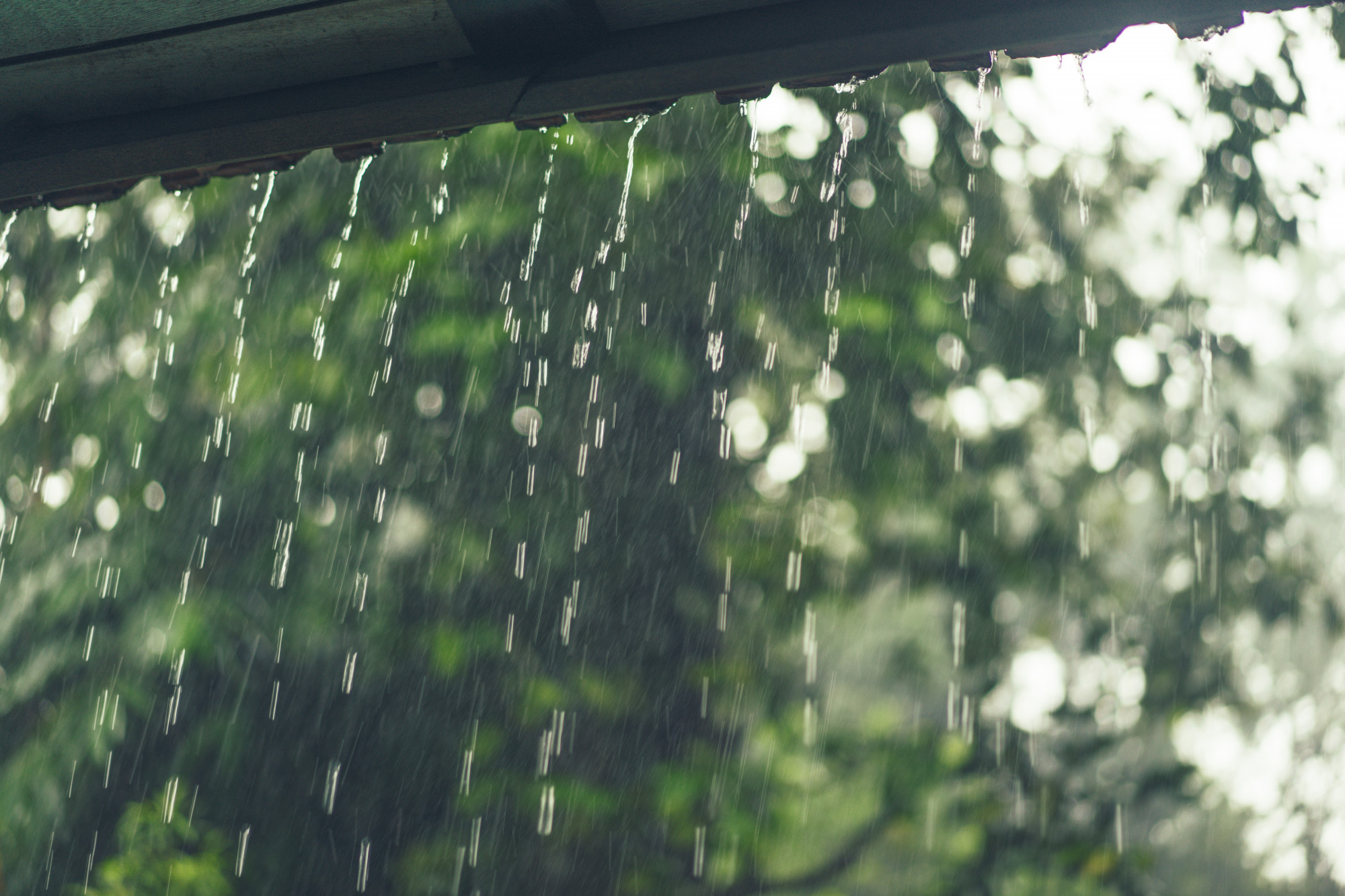
Why Rainwater Management Matters More Than You Think
When “Just Rain” Becomes a Landscaping Problem
Rain feels harmless. Cozy, even. Great excuse for tea, Netflix, and ignoring the weeding for one more day.
But around your home, rainwater is not just “weather.” It’s a powerful force that can either nourish your plants… or quietly wreck your landscaping while you’re busy admiring the puddles.
When rainwater isn’t managed properly, it can:
-
Drown flower beds
-
Wash away soil and mulch
-
Turn walkways into slippery, algae-coated hazards
-
Even nudge water toward your foundation instead of away from it
Think of rainwater like a big crowd leaving a concert. If there are clear exits and signs, everyone leaves calmly. If there’s no plan? People jam doors, spill into random side streets, and chaos ensues.
Your landscaping is the venue. Rainwater is the crowd. Your grading, gutters, downspouts, and drainage are the exits and signs.
Get those right, and your yard survives storm season looking fresh. Get them wrong, and your flower beds end up halfway down the driveway.
Let’s break down what actually happens when water goes wherever it wants—and how to nudge it into behaving.
What Happens When Water Goes Wherever It Wants
Flower Beds on the Front Line
Flower beds are usually the first casualties of bad rainwater management. They’re often tucked under rooflines, along paths, and near downspouts—prime splash zones.
When excess or misdirected rainwater hits your beds, you’ll see:
-
Drowned roots
Many plants like consistent moisture, but sitting in soggy soil for days can suffocate roots and invite rot. The plant may look droopy, yellow, or just “off” for no obvious reason. -
Mulch migration
A heavy downpour can send mulch skidding off the bed and onto your lawn or walkway. Suddenly your carefully edged bed looks like it got hit by a tiny, bark-chip avalanche. -
Nutrient leaching
Water rushing through the soil can wash away nutrients faster than your plants can use them, leaving them hungry even if you’re fertilizing.
Over time, these little stressors add up. The plants struggle, the beds look messy, and you might blame your “black thumb” when the real culprit is water with no plan.
Soil Erosion: The Silent Saboteur
Soil erosion is sneaky. You rarely see it happening in real time. But after a few storms, you notice:
-
Exposed roots
-
Thinner soil in one area
-
A little groove or channel where water always seems to run
Imagine your garden is a dinner plate and the soil is the sauce. Every time it rains, a little bit of that sauce slides toward the edge. One meal? Not a big deal. Do that night after night, and eventually, you’re left with a dry plate.
Even gentle slopes can lose soil if water regularly races down them. That’s why good grading, groundcovers, mulch, and proper drainage matter so much—they help keep the “sauce” where it belongs.
Walkways, Paths, and Puddles
Walkways and paths are another big victim of misdirected rainwater. When water regularly flows or pools across hard surfaces, you get:
-
Slippery algae and moss
That green film on stones or concrete isn’t just ugly. It’s a skating rink waiting to happen. -
Cracking and heaving
Water seeps into tiny gaps, freezes, expands, and slowly damages surfaces. This is especially fun if you enjoy surprise ankle twists. -
Perpetual puddle zones
Certain spots become mini lakes every time it rains, making paths unusable and sending you the long way around the house.
Good rainwater management doesn’t just protect your plants—it keeps you from doing unplanned splits in the driveway.
Grading 101: How the Shape of Your Yard Controls Water
The Basics of Proper Slope
“Grading” is just a fancy way of talking about how your yard slopes. The direction and steepness of that slope decide where water goes after it hits the ground.
In most residential yards, you want a gentle slope away from the house. That means water naturally moves out into the yard, not back toward your foundation, flower beds against the wall, or low spots near walkways.
Analogy time:
Picture your yard as a big serving tray. Now imagine rolling a marble (that’s the rain) onto the tray. Wherever the tray tilts, that’s where the marble goes. Your grading is how you tilt the tray. If it tilts toward the house, the marble (water) goes right where you don’t want it.
Signs Your Grading Might Be Wrong
You don’t need a laser level to suspect grading issues. Watch for:
-
Puddles that linger near the foundation after a storm
-
Mulch and soil repeatedly sliding off beds, especially near the bottom of a slope
-
Water flowing toward your house instead of away
-
Constant puddles on walkways next to beds or downspouts
If you’re seeing any of these, it might be worth reworking the slope, adding soil to low spots, or creating designated drainage paths.
Downspout Placement: Tiny Openings, Big Consequences
Where Your Downspouts Dump Water
Downspouts are the funnels at the bottom of your gutters. They might look small, but they handle a huge amount of water in a storm. If they’re pointing the wrong way, they can quietly sabotage your landscaping.
Poorly placed or short downspouts can:
-
Flood flower beds
That huge blast of roof runoff hits the same spot every storm, compacting soil and stressing plants. -
Carve trenches through soil and mulch
Over time, you may notice little mini-rivers forming. That’s your landscaping saying, “Please redirect this.” -
Dump water onto walkways or driveways
Not only does this create puddles and icing issues, but splashing can also send dirt and mulch onto hard surfaces.
Simple Fixes That Make a Big Difference
The good news: downspout problems are often fixable with simple tweaks:
-
Add downspout extensions to carry water farther into the yard.
-
Use splash blocks or stone pads to spread out the flow and reduce erosion.
-
Redirect downspouts away from beds and toward lawn, gravel, or designated drainage areas.
-
In some cases, tie them into underground drains that lead to a safe discharge point.
Small changes to where those downspouts point can save you a lot of re-mulching and plant replacements later.
Drainage Planning: Giving Water a Purpose and a Path
Think of Water Like Traffic
You can’t stop cars from existing, but you can design roads and signs so they move safely and efficiently.
Drainage planning works the same way. You can’t stop rain from falling (gardeners have tried), but you can design your yard so water has a clear, controlled journey:
-
Off the roof
-
Away from the foundation
-
Through or around your landscaping
-
Into a safe place where it can soak in or move on
Common Drainage Tools Around Homes
Depending on your yard, you might work with:
-
Swales
Shallow, grassy channels that gently guide water across your property. They can be quite pretty and natural-looking. -
French drains
Gravel-filled trenches with perforated pipes that collect and redirect water underground. Great for soggy spots or areas where surface flow isn’t enough. -
Dry wells / infiltration pits
Underground chambers where water collects and slowly soaks into the soil. -
Rain gardens
Specially designed plant beds in low areas that love periodic soaking. Deep-rooted native plants help drink up excess water and look good doing it.
When to DIY vs Call a Pro
You can often DIY:
-
Minor grading adjustments
-
Downspout extensions
-
Small swales or rain gardens
You should consider calling a pro if:
-
Water is pooling against the foundation
-
You suspect issues near utility lines
-
You need French drains or large-scale grading
-
You’re in an area with specific drainage codes or HOA rules
A good drainage plan makes water part of your design, not your enemy.
How Neglected Gutters Can Undo Your Landscaping
Gutters are the first link in your home’s rainwater chain. When they’re clean, they collect roof runoff and send it neatly into downspouts.
When they’re full of leaves, moss, and mystery gunk?
Water spills over the sides like a waterfall in all the wrong places. That overflow can:
-
Pound the soil in your flower beds and flatten mulch
-
Cause erosion near the foundation
-
Splatter dirt onto siding, windows, and walkways
-
Create muddy, compacted zones where nothing grows well
If you’d rather not spend your weekends on a ladder, hiring a gutter cleaner for homes in Thurston County or your own local equivalent is a very practical way to protect both your landscaping and your roof. Clean gutters might not be glamorous, but they keep all your other rainwater efforts from being undone every time a storm rolls through.
Designing Landscaping with Water in Mind
Matching Plants to Moisture Conditions
Good landscaping doesn’t fight the natural flow of water. It works with it.
If you know where water naturally collects or drains quickly, you can choose plants that actually enjoy those conditions:
-
Low, wetter spots
-
Water-loving perennials
-
Rain gardens with natives adapted to periodic flooding
-
-
High, fast-draining areas
-
Drought-tolerant shrubs
-
Tough groundcovers and ornamental grasses
-
Instead of trying to force every square foot of your yard to behave the same, you let the water patterns inform your plant choices. It’s less work and usually much healthier for your garden.
Mulch, Edging, and Raised Beds
A few small design choices can dramatically reduce water damage:
-
Mulch
-
Helps prevent erosion
-
Cushions the impact of heavy rain
-
Holds moisture for plant roots between storms
-
-
Edging
-
Keeps soil and mulch from spilling into walkways
-
Helps guide water where you want it
-
-
Raised beds
-
Great for areas that stay soggy
-
Give roots a higher, well-drained zone while still benefiting from nearby moisture
-
Thoughtful design doesn’t just make your yard look good on sunny days. It keeps it functional and healthy when the weather turns dramatic.
Simple Rainy-Day Inspections You Can Do Yourself
What to Look for During and After a Storm
One of the best times to understand your yard’s water behavior is… when it’s actually raining.
Grab a raincoat (and maybe a warm drink for afterward) and check:
-
Where does water pour off the roof?
-
Are any gutters overflowing?
-
Where do downspouts dump water, exactly?
-
Which spots puddle and stay wet?
-
Where is mulch escaping the beds?
Then, after the rain:
-
Look for newly exposed roots or bare soil
-
Notice where walkways stayed wet the longest
-
Check for little channels carved into beds
Easy Tweaks That Help Immediately
You don’t have to fix everything at once. Start small:
-
Add a temporary downspout extension to move water a few feet farther away
-
Top up mulch where soil is exposed
-
Fill low spots near walkways with soil and re-seed or re-plant
-
Shift a few plants from “drowning zones” to slightly higher ground
Each small change improves how your yard handles the next storm.
Bringing It All Together: Water as a Design Partner
Rainwater is going to show up whether you plan for it or not. The difference between a yard that thrives and one that feels constantly “beat up” by weather often comes down to how well that water is managed.
Key takeaways:
-
Excess or misdirected rainwater can drown flower beds, strip away soil, and make walkways unsafe.
-
Grading, downspout placement, and drainage planning are the hidden framework that protects your landscaping.
-
Clean gutters keep all of that hard work from being undone every time they overflow.
-
Designing with water in mind—matching plants to moisture, using mulch and edging, and watching how water moves—turns rain from a problem into a resource.
Next time it rains, take five minutes to watch what the water does around your home. Notice where it helps and where it causes trouble. Then pick one small improvement—an extension, a bit of grading, a clean-out of your gutters—and start there.
Your plants, your paths, and your future self with dry feet will all be grateful.