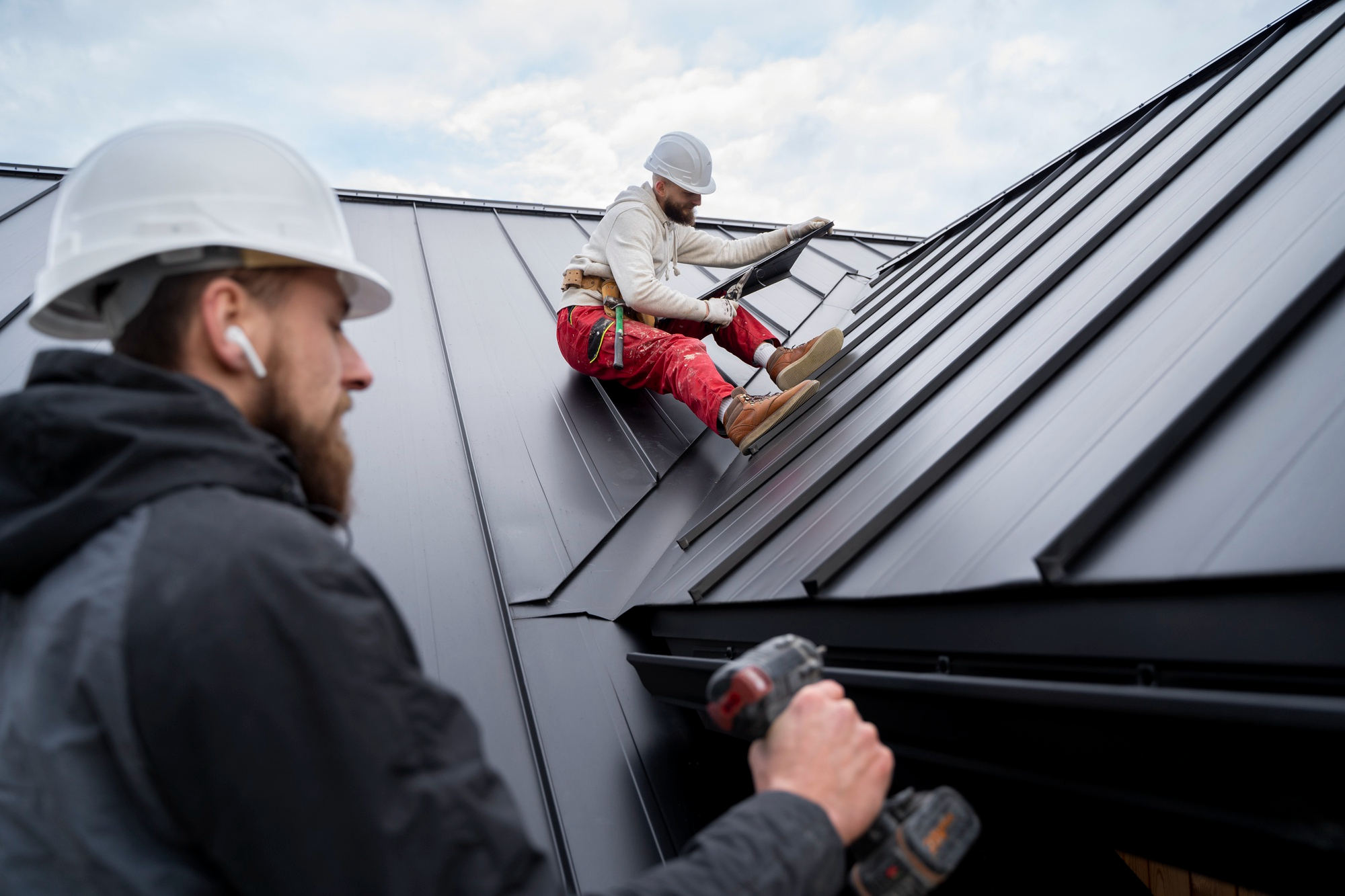
A roof does more than keep out rain. It affects how much energy a building uses, how long the structure lasts, and how much material ends up in a landfill over time. That makes reroofing more than a maintenance project. In many cases, it is a practical way to lower environmental impact without changing the entire building.
The biggest gains usually come from better heat control, longer service life, and smarter material choices. A failing roof can trap moisture, waste energy, and force repeated repairs. A well-planned replacement can solve those problems in one project and set the building up to perform better for years.
Material selection matters here, especially in sunny regions where roofs take a beating. Reflective membranes, cool roof shingles, proper insulation, and durable roof waterproofing products can all help reduce waste while supporting better long-term building performance. For readers comparing options, suppliers such as LA Roofing Materials carry a range of roofing and waterproofing products, but the broader point is simple: the environmental value of a new roof depends on choosing materials that fit the climate, building type, and expected lifespan.
Lower energy use starts at the top
Older roofs often absorb more heat than they should. That extra heat moves into the building, which pushes air conditioning systems to work harder. A newer roof assembly can help reduce that load through reflective surfaces, better ventilation, and improved insulation.
In warm climates, cool roofing products can make a noticeable difference. By reflecting more sunlight and releasing more absorbed heat, they help keep roof temperatures lower. That can translate into less electricity used for cooling, especially in commercial buildings and homes with large roof areas.
Durability reduces waste
Environmental impact is not only about energy bills. It is also about how often materials need to be replaced. A roof that lasts longer usually creates less waste than one that fails early and needs patch after patch before a full tear-off.
New roofs also protect the structure below them. When water gets through an aging system, it can damage decking, insulation, drywall, and even framing. Preventing that kind of damage keeps more materials in service and reduces the need for additional replacement work.
Modern systems can support better material choices
What that can look like
-
Recyclable metal roofing with a long service life
-
Cool roof products that reduce heat gain
-
Insulation upgrades that improve thermal performance
-
Waterproofing layers that help prevent hidden moisture damage
Not every green choice looks the same on every building. A steep-slope home, a low-slope commercial roof, and a multifamily property may all need different solutions. The most sustainable option is usually the one that performs well for the specific structure and local weather conditions.
A roof replacement can be part of a bigger sustainability plan
A new roof can also prepare a building for future improvements. It may create a better base for solar panels, improve indoor comfort, and help owners meet updated energy codes. Even simple upgrades, like better drainage and ventilation, can support healthier building performance.
For property owners trying to make practical sustainability decisions, the roof is a smart place to start. It is one of the few building components that can affect energy use, material waste, moisture control, and long-term resilience all at once.