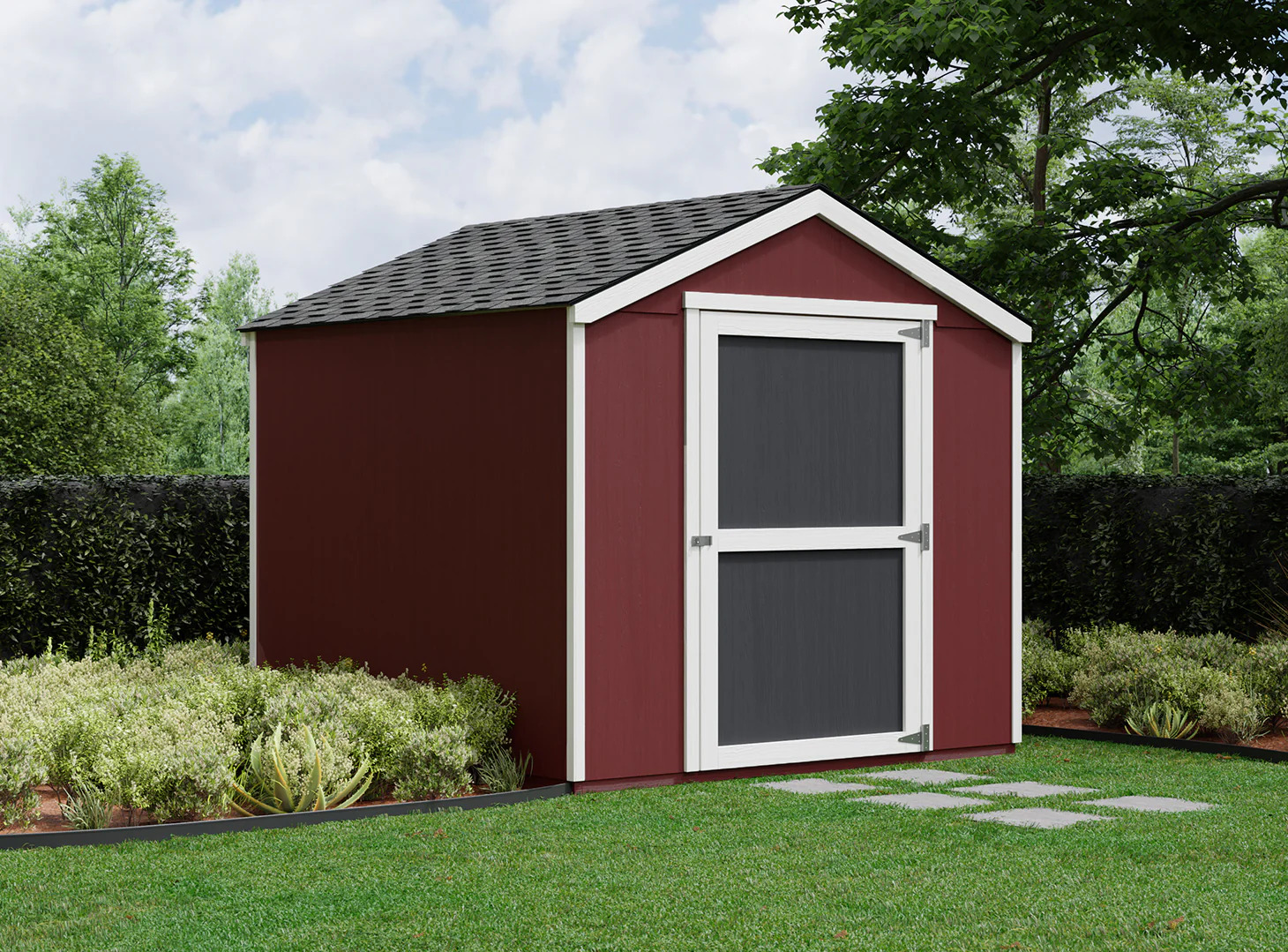
Outdoor sheds are essential backyard structures that provide extra storage, workshop space, or garden organization. But what happens when you need to relocate your shed? Whether you’re redesigning your yard, optimizing space, or moving to a new property, moving an existing shed can save money and time compared to buying a new one. However, relocating a shed requires careful planning and safety precautions to avoid damage to the structure, your property, or yourself.
This comprehensive guide will cover everything you need to know about how to move an outdoor shed safely, practical tips for the process, when to call in the professionals, and helpful considerations—whether you’re relocating a small plastic shed or a larger wooden model. Plus, we’ll mention why choosing durable, easy-to-move models can simplify the process.
Why Move Your Outdoor Shed?
There are many reasons to move an outdoor shed:
- Redesigning your garden layout or yard
- Expanding or improving usable space
- Addressing drainage or foundation issues in the current spot
- Relocating it to a new home
- Making space for new landscaping or construction projects
Before making the move, consider the shed’s condition. Older sheds or those in poor repair may not survive the move intact and might be better replaced.
Step 1: Prepare Your Shed for Moving
Clear Out the Contents
Empty your shed before moving it. Removing tools, garden equipment, shelving, and other items lightens the weight and prevents damage to both the contents and the structure.
Secure Loose Parts
Lock all doors and windows. Remove or securely fasten removable shelves, pots, and loose materials. Taping windows and fragile parts can protect them against vibration damage.
Inspect the Foundation and Underside
If your shed is anchored to a concrete slab or foundation, these anchors or bolts will need to be removed carefully. Check the floor for damage or rotten wood that might worsen during the move.
Step 2: Assess the Path and New Location
- Check for obstacles like trees, fences, garden beds, rocks, or overhead power lines along the route. Clearing these in advance will make movement smoother and safer.
- Ensure the new location has a level, stable base such as a gravel pad, concrete slab, or compacted soil to support the shed properly after relocation.
- Verify you have adequate space for lifting equipment or a vehicle if you’re using a trailer.
Step 3: Choose Your Moving Method
Moving on Rollers or Pipes (Short Distance)
For short moves across a yard, place steel pipes or PVC rollers under the shed as a conveyor system. Using jacks, lift one side, slide the pipes underneath, and roll the shed slowly by pushing. As the shed moves forward, continually reposition the pipes from back to front. This traditional method requires several helpers and is best for sheds in good condition with a manageable size and weight.
Moving with a Trailer or Flatbed Truck (Long Distance)
For moves off-site or beyond your yard, loading the shed onto a flatbed trailer or truck allows safer transportation. This method requires equipment such as ramps, dollies, and lashings to secure the shed firmly during transit.
Carefully maneuver the shed up onto the trailer, center it to balance the load, and secure it with heavy-duty straps. Lock or bolt doors and windows to prevent flapping or damage.
Note: Always check local permits and regulations related to moving large structures on public roads.
Moving with a Tractor or Heavy Machinery
If you have access to a tractor or forklift, these machines can lift and carry sheds across your property safely. This option is suitable for heavier, larger sheds but requires experienced operators and awareness of potential obstacles, such as trees, power lines, and uneven terrain.
Step 4: Safety Considerations
- Always use the appropriate personal protective equipment (PPE), such as gloves, boots, and eye protection.
- Lift carefully and avoid twisting your back. Use teamwork or mechanical aids whenever possible.
- Make sure helpers understand their roles and communicate clearly throughout the move.
- Keep pets and children well away from the moving area.
- Double-check that the shed’s structure is stable before and during the move to avoid collapse or injury.
Step 5: Setting Up at the New Location
- Level the ground and place the shed on a suitable base to prevent settling or water damage.
- Check the shed for any damage incurred during the move. Make necessary repairs immediately to maintain structural integrity.
- Reinstall shelves, equipment, or utilities as needed.
- Consider upgrading features such as adding skids or reinforced flooring to make future moves easier.
When to Call Professionals
- You have a large or complex shed requiring heavy equipment.
- The shed has electrical wiring, plumbing, or other utilities attached.
- The move requires transport over public roads.
- You lack experience or equipment for manual lifting or towing.
- Your shed is old, fragile, or costly, where the risk of damage is high.
Professional shed movers possess specialized equipment and expertise to relocate buildings efficiently and safely, thereby mitigating most risks.
Benefits of Choosing Plastic or Modular Sheds
Choosing the top plastic garden sheds or modular designs often means lighter weight, easier disassembly, and reassembly, plus superior durability. These sheds resist rot, pests, and weather damage better than wood, making future moves simpler and less risky.
When planning a new shed purchase, consider options that include clear moveability features if relocation is a possibility.
Moving or relocating your outdoor shed can be a rewarding yet complex project that demands careful planning, preparation, and safety awareness. From clearing contents and securing loose parts to selecting the best moving method, these steps protect your shed and your safety throughout the process.
If you’re mindful of the shed’s condition, route, and tools required—and willing to call in pros when necessary—you’ll enjoy a smooth, damage-free relocation. Whether your shed is a small plastic storage building or a custom wooden workshop, this approach helps you optimize your backyard’s layout while preserving the functionality of one of your most versatile outdoor assets.
If desired, I can also provide a step-by-step moving checklist or detailed tool recommendations for shed relocation.