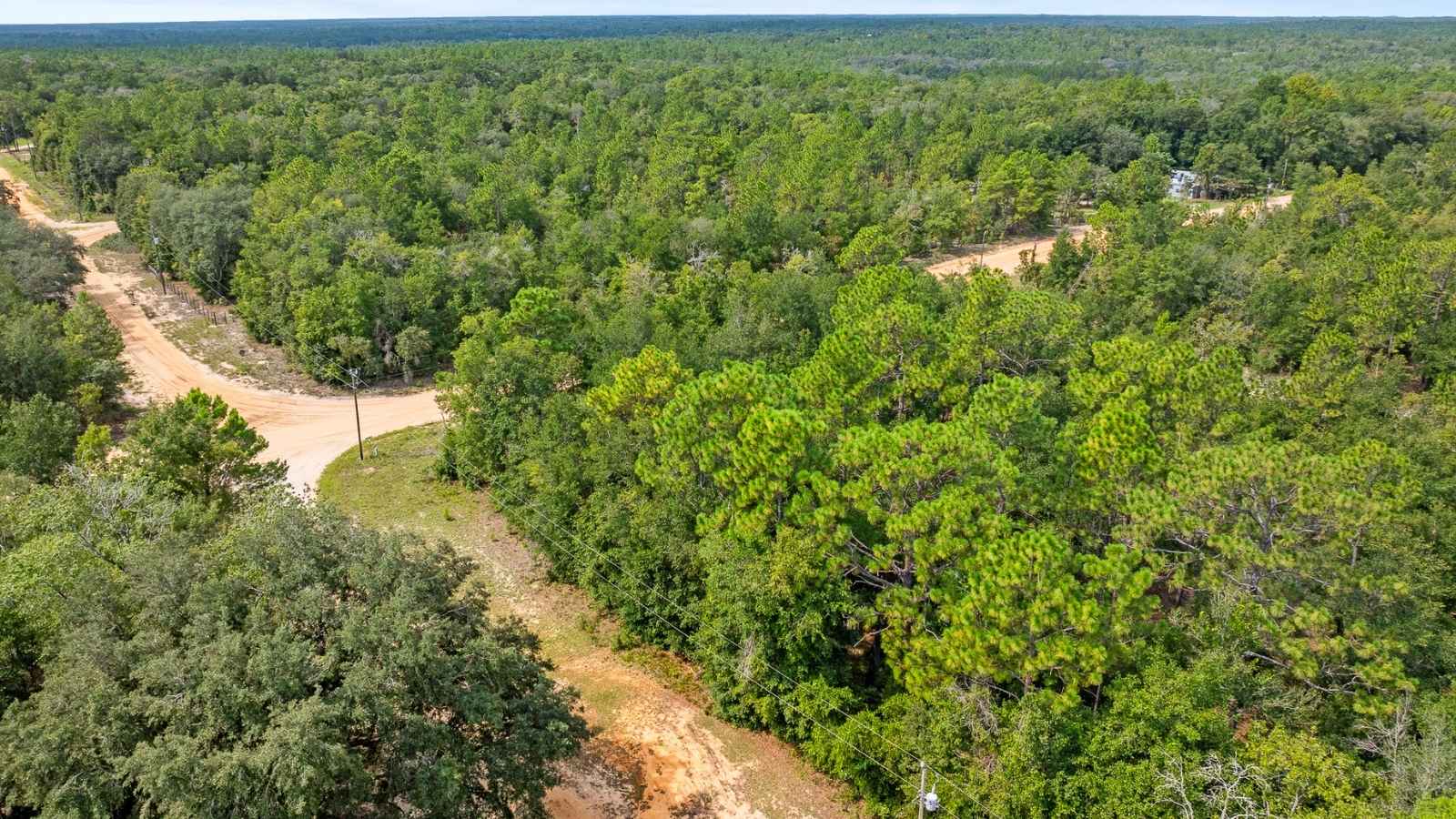
Across the United States, a quiet shift is happening among landowners. Instead of rushing to sell unused parcels or letting property sit idle, more owners are finding creative ways to generate income from vacant land while preserving flexibility for the future. This approach is especially appealing in rural and semi-rural areas, where land may not be immediately developed but still holds long-term value.
From garden plot rentals to agricultural partnerships, landowners are realizing that unused land doesn’t have to mean unproductive land. With thoughtful planning, vacant property can support local food systems, generate modest income, and remain available for future sale or development.
The Rise of Temporary Land Use
Traditionally, land ownership followed a simple path: buy, hold, then sell or build. But rising property taxes, maintenance costs, and longer holding periods have encouraged landowners to rethink that model. Temporary land use has emerged as a practical middle ground.
Garden plot rentals, seasonal agriculture, and short-term land leasing allow owners to:
-
Offset annual holding costs
-
Keep land maintained and visible
-
Support local communities and food access
-
Avoid long-term tenant or development commitments
Unlike residential rentals, these uses typically require minimal infrastructure and carry far fewer regulatory hurdles.
Why Garden Plots and Small-Scale Agriculture Make Sense
One of the most accessible options for unused land is garden plot rental. This model works particularly well near growing towns, retirement communities, or suburban-rural transition zones. Individuals and families are increasingly interested in growing their own food, but many lack suitable yard space.
For landowners, garden plots offer several advantages:
-
Low startup costs
-
Flexible seasonal agreements
-
Minimal wear on the land
-
Positive environmental impact
Rather than altering the land permanently, garden plots often improve soil quality and land appearance, which can actually enhance future marketability.
Balancing Income and Flexibility
A key concern for many landowners is preserving the ability to sell when market conditions improve. Temporary land uses are appealing because they don’t lock owners into long contracts or permanent changes.
This flexibility is especially valuable in states like Florida, where land values can fluctuate significantly based on population growth, zoning changes, and infrastructure expansion. Many investors prefer to hold land for appreciation, using interim income strategies to reduce carrying costs.
In regions such as Putnam County, Florida, landowners are increasingly adopting this approach. Companies like Putnam County Lands focus on helping buyers and investors understand how vacant land can be held responsibly while remaining adaptable to future opportunities.
Environmental and Community Benefits
Temporary land use isn’t just financially smart, it often benefits the surrounding community. Garden plots and small agricultural uses:
-
Promote local food production
-
Reduce environmental strain from long food supply chains
-
Improve land stewardship
-
Strengthen neighborhood connections
Unused land that sits unmanaged can become overgrown or attract dumping and pests. Actively used land, even on a small scale, tends to stay cleaner, safer, and more attractive.
This community-oriented benefit aligns with a growing preference for land uses that prioritize sustainability over speculation.
Understanding Zoning and Local Regulations
Before monetizing unused land, owners should always verify zoning and local regulations. While garden plots and agricultural use are permitted in many areas, rules can vary by county or municipality.
Common considerations include:
-
Agricultural zoning allowances
-
Temporary use permits
-
Water access and restrictions
-
Liability coverage
Working with knowledgeable land professionals or local planning offices can help landowners avoid compliance issues while maximizing allowable use.
Vacant Land as a Long-Term Investment
Unlike buildings, land doesn’t depreciate in the traditional sense. Its value is tied to location, demand, and future potential. This makes vacant land especially appealing for investors who are patient and strategic.
Holding land while generating interim income allows owners to:
-
Wait for infrastructure improvements
-
Monitor zoning changes
-
Observe population and development trends
-
Time sales for favorable market conditions
This approach is increasingly common among investors who prefer simplicity over active property management.
Who Benefits Most From This Strategy?
Temporary land monetization works particularly well for:
-
Retirees holding land for legacy planning
-
Investors with multiple parcels
-
Out-of-state landowners seeking low-maintenance options
-
Owners in transitioning rural markets
It also appeals to buyers who want land without immediate development pressure, a growing segment of today’s market.
Florida’s Growing Appeal for Land Investors
Florida continues to attract new residents due to its climate, tax advantages, and lifestyle appeal. While major metro areas receive the most attention, smaller counties are quietly gaining interest from investors looking for affordability and long-term upside.
Counties like Putnam offer:
-
Lower entry prices
-
Larger parcel availability
-
Flexible zoning in many areas
-
Appeal to both recreational and residential buyers
As demand grows, landowners who have maintained and responsibly used their property often find it easier to market and sell when the time is right.
Thinking Beyond “Sell or Sit”
The idea that land must either be sold or left untouched is becoming outdated. Today’s landowners are more creative, more informed, and more intentional about how they manage their property.
Temporary land use doesn’t require heavy investment or long-term commitment. Instead, it offers a way to stay engaged with the land, contribute to the local economy, and keep future options open.
For many, this balance between patience and productivity is the key to successful land ownership.
Final Thoughts
Unused land represents opportunity, not just for future development, but for present-day value creation. Whether through garden plots, seasonal agriculture, or other low-impact uses, landowners are discovering that flexibility is one of land’s greatest strengths.
By understanding local regulations, prioritizing sustainable use, and keeping long-term goals in mind, vacant land can become both a responsible investment and a meaningful asset to the community.