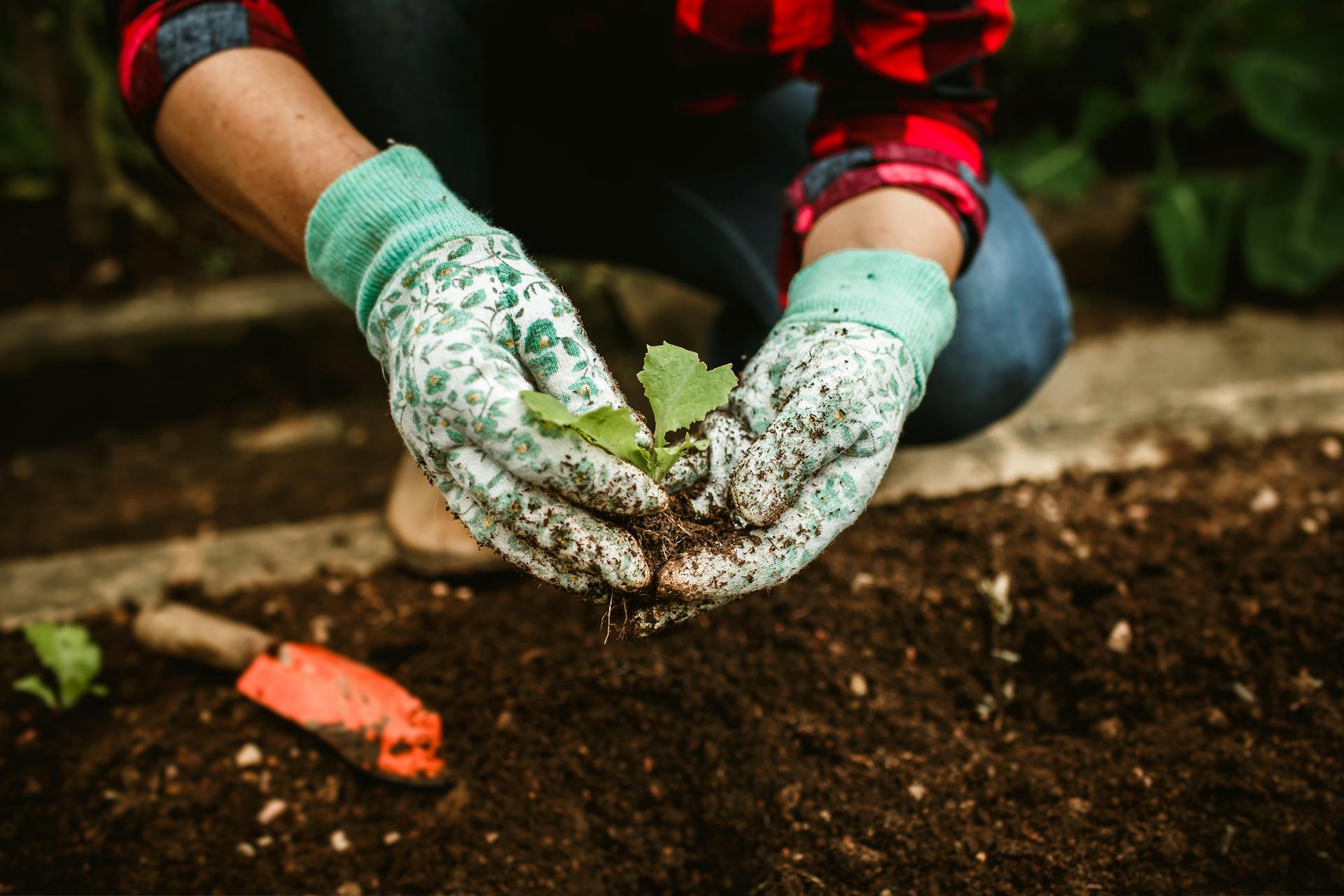
Gardening can be both therapeutic and rewarding, but if you deal with sweaty palms, it often becomes a test of patience. Slippery tools, damp gloves, and smudged plant tags can make even simple tasks frustrating. The good news? With a few strategic adjustments, you can enjoy your time in the garden without being slowed down by excessive hand sweating.
Fortunately, a thoughtful approach to tool selection, body mechanics and even how you structure your time outdoors can significantly alleviate these common frustrations. Incorporating ergonomic principles helps prevent strain and discomfort, turning potential annoyances into opportunities for greater enjoyment and productivity.
Exploring ergonomic gardening practices reveals simple changes that can make a profound difference, from choosing hand tools with comfortable grips to planning your garden layout for easier access. Such considerations ensure that your time among plants remains a source of relaxation rather than physical stress, allowing you to focus on the joy of cultivation.
Here are practical, health-conscious tips to help keep your grip steady and your gardening experience more enjoyable.
1. Use Grip-Friendly Gardening Tools
Standard gardening tools can be tough to manage with damp hands. Consider investing in:
-
Rubberized or silicone grips for better control
-
Ergonomic handles that reduce the need for excessive pressure
-
Wrist straps to keep tools secure if they slip
If you’re not ready to upgrade, wrapping handles with non-slip tape (like athletic or racket grip tape) can offer a quick, affordable improvement.
2. Wear Moisture-Wicking Gardening Gloves
The right gloves can significantly reduce discomfort and help you stay in control. Look for gloves that are:
-
Breathable and lightweight
-
Made with bamboo, mesh, or sweat-wicking materials
-
Lined with anti-microbial fabric to minimize odor
Bring a spare pair so you can switch mid-session if needed. It’s a small change that keeps things much more manageable.
3. Keep a Microfiber Towel Handy
Having a small, absorbent towel nearby can help you quickly dry your hands between tasks. Attach one to your gardening apron or carry it in your pocket. Microfiber works best, as it dries fast and absorbs moisture effectively without leaving lint.
4. Choose the Right Time to Garden
Sweating tends to spike during peak heat. Plan your gardening during:
-
Early mornings or late afternoons
-
Cloudy or overcast days
-
Shorter sessions broken up throughout the day
Gardening during cooler periods not only helps manage sweat but also prevents heat stress, a win for both you and your plants.
5. Apply a Hand-Drying Powder
A light dusting of non-talc, plant-safe powder can keep hands drier for longer. Options include:
-
Cornstarch-based powders
-
Magnesium carbonate (used by athletes)
Use sparingly and wash your hands before handling delicate plants, especially edible ones. This small habit can improve both hygiene and grip.
6. Stay Cool and Hydrated
Internal temperature affects sweat levels. Staying cool from the inside helps keep palms in check. Try:
-
Drinking cold water regularly
-
Avoiding caffeine and spicy foods before gardening
-
Choosing cooling herbs like peppermint in drinks or snacks
Even crushed ice can help, chew a few chips while gardening to stay refreshed.
7. Protect Your Gardening Notes and Plant Tags
Sweat and paper don’t mix. Consider switching to:
-
Waterproof garden journals
-
Laminated plant tags
-
Digital tracking apps for planting and care schedules
If you prefer writing by hand, use smudge-resistant pens or pencils and opt for tear-resistant paper where possible.
8. Clean and Dry Tools After Use
Post-gardening care matters. Moisture can damage both your tools and your skin. After each session:
-
Wipe tools thoroughly with a dry cloth
-
Let gloves and towels air dry completely
-
Use a non-greasy moisturizer to soothe your hands and prevent skin irritation
These small habits extend the life of your tools and help maintain skin health, especially if you wash your hands frequently.
9. Consider Medical Support for Persistent Sweating
If sweaty palms go beyond gardening and affect daily tasks, it may be time to explore treatment options. These include:
-
Prescription-strength antiperspirants
-
Botox injections (commonly used for hand sweating)
-
Iontophoresis therapy
-
Oral medications
There’s no need to manage alone. If symptoms are frequent or affect your quality of life, speak with a healthcare provider or dermatologist for personalized options.
10. Understand When Surgery Might Be an Option
For some people, lifestyle changes and non-invasive treatments aren’t enough to manage sweaty palms, especially when the condition impacts work, social interactions, or hobbies like gardening. In more persistent cases, surgical treatment, specifically endoscopic thoracic sympathectomy (ETS), may be considered.
This procedure works by disrupting the nerves responsible for triggering excessive sweating. It's typically reserved for severe cases that haven’t responded to other treatments. While effective for many, it’s important to weigh the potential risks, recovery time, and cost of sweaty palm surgery, which can vary depending on location and whether it's covered by insurance.
Before pursuing surgery, consult with a specialist who can guide you through the benefits, potential side effects (such as compensatory sweating), and long-term outcomes. Being informed helps you make the best decision for your health and lifestyle.
11. Don’t Let Sweat Keep You from the Garden
Sweaty palms may complicate your gardening routine, but they don’t have to stop you from doing what you love. With a few smart adjustments and self-care strategies, it’s entirely possible to enjoy every moment in the soil without losing your grip.
Let your garden grow, and grow your confidence alongside it.