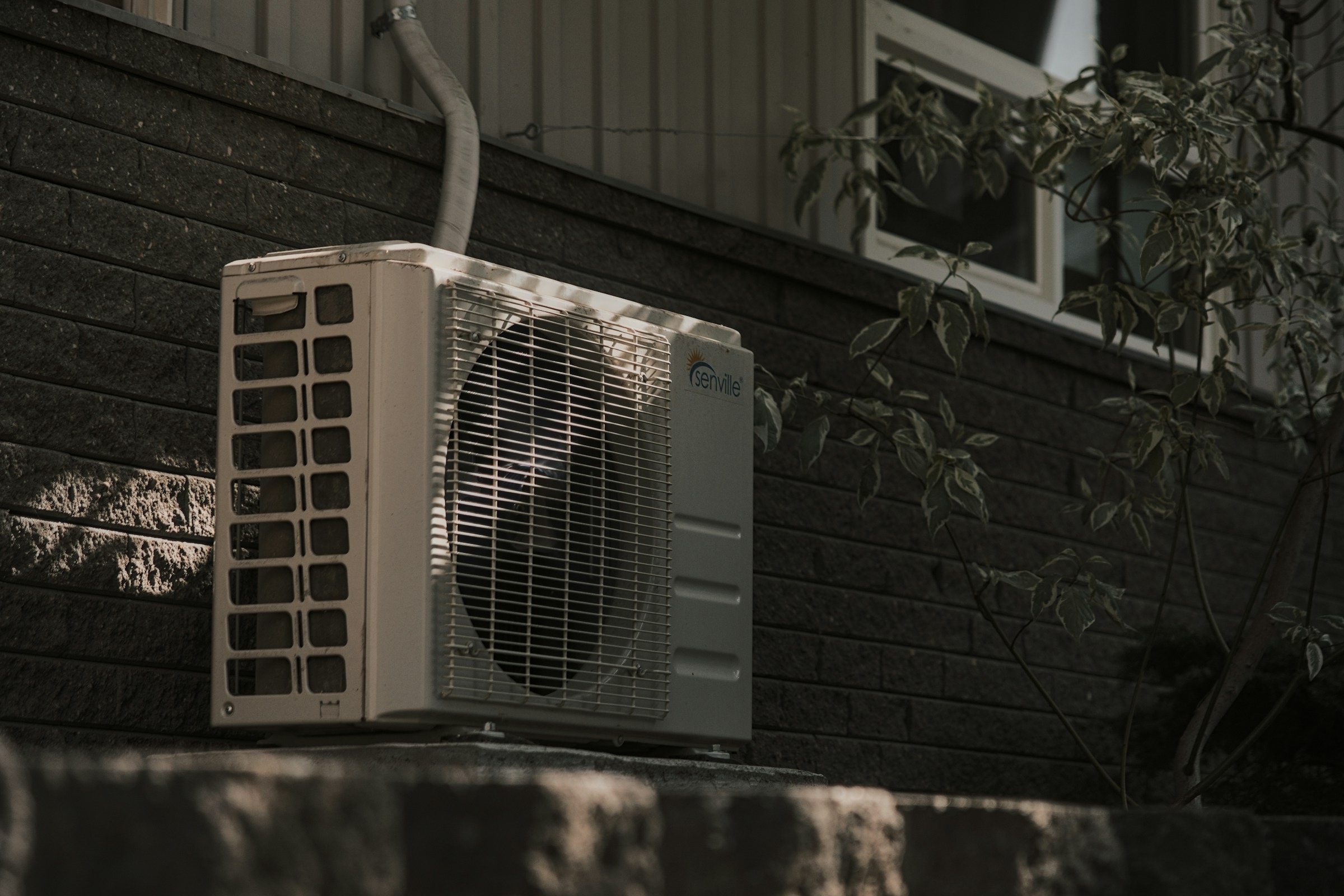
Air conditioners are designed to regulate indoor temperatures, delivering comfort and stability regardless of external weather conditions. While most people focus on the brand, cooling capacity, or energy efficiency ratings of their systems, a hidden factor often dictates how long an air conditioner truly lasts: insulation.
The quality and type of insulation within a building directly affect how hard an air conditioner works, how frequently it cycles on and off, and the level of stress it endures over time. Surprisingly, insulation plays a quieter but far more significant role in determining system durability than many homeowners realize. By examining the interplay between insulation and HVAC operation, one can uncover how deliberate choices in insulation can extend or shorten the functional lifespan of an air conditioner.
Hidden Interconnections Between Plumbing and Cooling Systems
Insulation’s influence on air conditioners is not confined to walls and ceilings. Plumbing systems, often running through attics, basements, and crawl spaces, are directly affected by insulation quality. Pipes exposed to extreme temperature fluctuations can contribute to humidity imbalances within the home, forcing the cooling system to compensate by working harder than intended. Proper insulation reduces these fluctuations, stabilizing indoor conditions and reducing unnecessary strain on the air conditioner.
Moreover, maintaining pipes within insulated zones prevents condensation and leaks, minimizing moisture buildup that could otherwise compromise air conditioning efficiency.
When plumbing systems are managed wisely, both water conservation and cooling performance benefit. In this broader view, homeowners indirectly save money with plumbing maintenance while simultaneously easing the operational load on their cooling units. This interconnected approach reveals how insulation supports more than just comfort—it quietly safeguards multiple systems within the home.
How Insulation Reduces System Strain
An air conditioner’s primary function is to offset heat infiltration. In poorly insulated environments, external heat continually seeps indoors, requiring the unit to cycle frequently. Each cycle involves compressor activation, fan operation, and refrigerant movement—all of which accelerate wear and tear. Over time, this repetitive burden shortens mechanical life expectancy.
Conversely, high-quality insulation reduces the volume of external heat entering the home. By minimizing fluctuations in indoor temperatures, the air conditioner operates in longer but less frequent cycles. This steadier rhythm not only improves energy efficiency but also reduces stress on sensitive parts like compressors and coils.
Thermal Barriers and the Battle Against Humidity
Beyond temperature regulation, insulation plays a vital role in controlling humidity. High humidity forces an air conditioner to work doubly hard, not only cooling the air but also dehumidifying it. When insulation is inadequate, moisture seeps through walls, ceilings, and even foundation cracks. This persistent moisture infiltration creates an environment where the air conditioner must expend additional energy, hastening the decline of its internal components.
With proper insulation, humidity levels remain stable, reducing unnecessary dehumidification cycles. The compressor, one of the most expensive components to replace, benefits significantly from this reduced strain.
The Role of Duct Insulation in Preserving Efficiency
Air ducts serve as the distribution network for cooled air, yet they are vulnerable to heat gain if not properly insulated. A duct passing through an uninsulated attic can lose a significant portion of cooled air before it even reaches the living space. This energy loss compels the air conditioner to work harder, unknowingly undermining its efficiency.
By wrapping ducts with effective insulation, homeowners prevent conditioned air from being wasted. Not only does this enhance indoor comfort, but it also ensures the air conditioner runs fewer cycles to achieve desired temperatures.
Seasonal Shifts and Insulation Demands
Air conditioners face varying levels of demand throughout the year, particularly during extreme summer months. In homes where insulation is thin or outdated, seasonal spikes in outdoor heat translate into prolonged system activity. This seasonal overwork contributes to premature wear, particularly for units already nearing mid-life.
Improved insulation cushions the impact of seasonal temperature swings by keeping indoor climates consistent. With insulation moderating the demand curve, air conditioners avoid the harsh peaks of summer workload.
Long-Term Cost Dynamics of Insulation Choices
Investments in insulation are often overlooked because their benefits are less visible than those of a new air conditioner. Yet when viewed through the lens of long-term costs, insulation proves to be one of the most effective tools for preserving HVAC systems. An air conditioner replaced prematurely due to overuse incurs not only the purchase cost of a new unit but also installation fees and the potential disruption of home life.
By contrast, upgrading insulation represents a one-time expense that continually delivers returns. Over the years, the reduced strain on the air conditioner translates into fewer service calls, lower energy bills, and an extended replacement horizon.
While adequate insulation helps minimize wear on internal components, mechanical issues can still arise over time due to age or unexpected wear. Timely attention from an air conditioning repair service can help address minor performance issues before they result in major system breakdowns, ensuring the unit continues to operate efficiently alongside home insulation improvements.
Materials Matter: Different Insulation Types and Their Impact
Not all insulation materials perform equally in preserving air conditioner life. Fiberglass batts, while cost-effective, may leave gaps that allow heat and moisture infiltration. Spray foam, on the other hand, creates a more comprehensive seal, reducing both air leakage and humidity exposure. Reflective insulation materials can further reduce radiant heat transfer, particularly in attics exposed to intense sunlight.
Selecting the right insulation material is not merely a matter of comfort but also one of mechanical longevity. Homes with comprehensive, well-installed insulation materials provide a stable climate, where the air conditioner can perform optimally without unnecessary stress.
Insulation’s Role in Indoor Air Quality and System Hygiene
The benefits of insulation extend beyond mechanical performance into the realm of indoor air quality. Poor insulation allows dust, allergens, and outdoor pollutants to infiltrate living spaces. As these contaminants circulate through the air conditioning system, they clog filters and reduce airflow. Blocked filters force the air conditioner to work harder, again compounding operational stress.
With superior insulation, infiltration is minimized, resulting in cleaner indoor air and reduced buildup within ducts and filters.
Quiet Efficiency and the Psychological Dimension
An overlooked aspect of insulation is its contribution to acoustic control. Better-insulated homes are quieter, with fewer external noises infiltrating the living space. This quieter environment allows the air conditioner’s operation to blend into the background, creating an impression of seamless comfort. When residents perceive their cooling system as reliable and unobtrusive, they are less likely to tamper with thermostat settings excessively—a behavior that often drives systems into unnecessary cycles of strain.
Its design specifications or brand reputation do not solely dictate the durability of an air conditioner. Rather, the environment in which it operates plays a profound, often underestimated role. Insulation—whether in walls, ducts, or attics—creates that environment, shaping the daily demands placed upon the cooling system. Through reduced strain, balanced humidity, preserved airflow, and stabilized seasonal performance, insulation quietly but powerfully extends the lifespan of air conditioners.