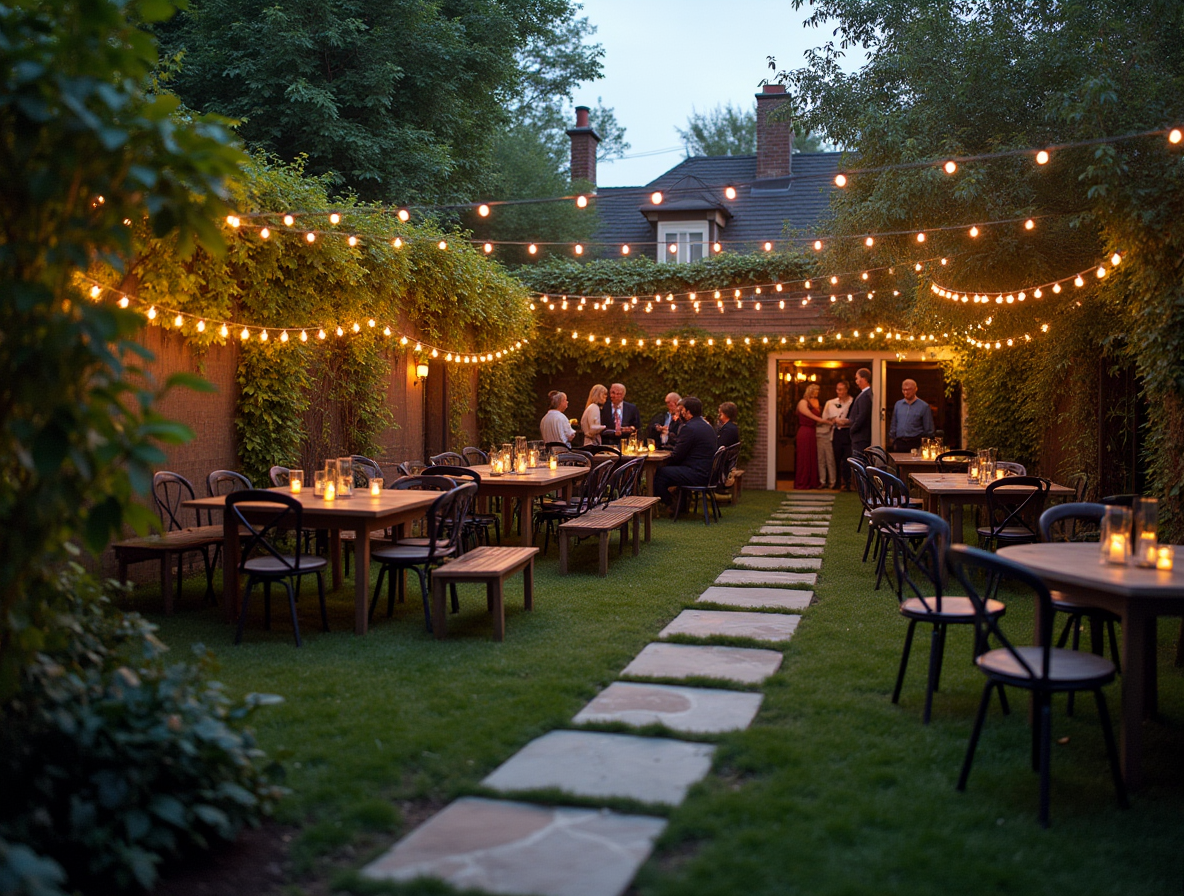
Planning Your Event with Sound Considerations in Mind
There's nothing like a garden party on a warm evening. Good food, music, laughter—everything feels better outside. But the one thing that can ruin it? A knock on the gate from an annoyed neighbor.
When planning an outdoor event, sound is often one of the most overlooked aspects to manage. It's not about playing everything quietly—it's about being smart. How sound travels, where you place speakers, and what barriers exist between you and your neighbors all matter more than you think.
Some homeowners who host regular gatherings even consult with an acoustic treatment company before building permanent outdoor entertaining zones. They get help designing spaces that keep the party in—and the complaints out. Whether you're hosting one or building a setup for the long haul, planning for sound pays off.
Temporary Sound Management Solutions for Garden Events
Party Layout and Positioning
Start with the basics: layout. Place speakers and high-energy areas—like dance zones or live music—farthest from your neighbors' homes. Use your house, garage, or shed as a physical sound barrier when possible. Keep quiet zones like food tables and lounge seating on the outer edges to diffuse activity.
Also, be aware of elevation. Sound travels farther downhill, so avoid setting up speakers on raised decks if your neighbors live below.
Portable Sound Barriers and Screens
Temporary sound barriers are easy to set up and make a big difference. Freestanding panels, folding privacy screens, or even fabric-draped trellises can block and absorb sound. Position them behind speakers or along fence lines to cut off direct sound paths.
Even stacked planters, garden carts, or decorative partitions can serve as a temporary solution in a pinch. You don't need high-tech gear—just smart placement and dense materials.
Music Volume and Speaker Placement Tips
Keep the volume at a level where guests can talk without yelling. Use multiple small speakers spaced out rather than blasting from one central spot. This creates even sound coverage and reduces the need for high volume.
Point speakers inward, toward the house or party center—not out toward fences or neighbors. Avoid bass-heavy tracks late in the evening, as low frequencies carry far and penetrate walls and windows more easily.
Natural Sound Buffers Using Plants and Landscaping
Nature can do a lot of the work if you let it. Dense shrubs, hedges, and climbing vines along fences help absorb and deflect sound. Raised garden beds and layered landscaping also break up sound waves.
Consider planting tall grasses or evergreen barriers in strategic spots if you entertain often. They not only improve acoustics but look great year-round.
Permanent Noise Control Solutions for Regular Entertainers
Installing Garden Sound Barriers
If you host often, it makes sense to build with sound in mind. A solid fence—especially one made of dense wood, brick, or composite material—does more than provide privacy. It blocks direct sound travel. Taller fences (where permitted) with no gaps are best. You can also add mass-loaded vinyl or acoustic blankets to the interior side for better sound control.
Combine fencing with greenery. A hedge in front of a wall absorbs even more sound, especially in mid- and high-frequency ranges.
Building Enclosed Entertainment Areas
Taking it a step further, consider semi-enclosed outdoor rooms. Pergolas with thick drapes, gazebo-style pavilions with fabric walls, or covered patios with trellises help trap and diffuse noise. These spaces give you visual style and built-in acoustic boundaries.
Adding an outdoor kitchen, bar, or lounge? Build in soft surfaces—like cushioned seating, outdoor rugs, and hanging plants—to keep the space sounding soft, not sharp.
Professional Soundproofing for Garden Structures
Got a backyard studio, shed, or converted container bar? Treat it like a real venue. Add insulation, weather stripping, acoustic panels, or even double doors to reduce sound leakage. A small investment in soundproofing goes a long way in maintaining peace with the neighbors.
Some homeowners even consult with sound engineers to tune their space for both clarity and containment.
Landscape Design for Natural Sound Absorption
Smart landscaping = smart sound control. Use berms, terraces, and garden walls to break up sound paths. Gravel paths or mulch beds reduce reflected noise underfoot. Large-leafed plants like hostas or bamboo are excellent at scattering sound energy.
Design your yard with the acoustic flow in mind—direct sound inward, shield the perimeter and create zones where sound naturally fades.
Creative Entertainment Ideas That Minimize Noise
Quiet Garden Activities and Games
Not every party needs a DJ. Garden games like bocce, cornhole, giant Jenga, or card tournaments create energy without raising the decibel level. Add background music at a low volume and let the conversation set the tone.
Even guided activities—like cocktail making, crafts, or storytelling circles—can bring guests together with barely a speaker in sight.
Intimate Gathering Alternatives
Sometimes smaller is better. Intimate dinners with soft lighting and acoustic playlists keep things elegant and neighbor-friendly. Firepit conversations, wine tastings, or poetry nights offer the same outdoor charm without the volume.
These formats are perfect for weeknights or neighborhoods with stricter noise rules.
Timing Events for Maximum Enjoyment
Finally, timing matters. Start earlier in the evening and wind down before quiet hours begin. Afternoon events are less likely to annoy neighbors and give you more time to enjoy the garden in natural light.
Use sunset as a natural signal to transition from louder moments to quieter, more relaxed ones. A little planning around the clock can make a big difference.
Technology Solutions for Sound Control
Directional Speaker Systems
If you're using sound equipment, consider directional speakers. These are designed to focus audio in a specific zone instead of flooding the entire yard—or your neighbor's kitchen. They reduce sound bleed and let you keep the volume reasonable.
Some high-end models even come disguised as rocks or garden sculptures.
Sound Level Monitoring Apps
Want to make sure you're not pushing it? Use a sound level app to monitor your party's volume. You'll get real-time decibel readings and alerts if things get too loud. It's an easy, low-cost way to stay within neighborhood limits.
Some apps even let you set a target range and adjust music automatically to stay compliant.
Wireless Headphone Party Options
Silent discos aren't just for clubs. Wireless headphone systems are becoming a go-to for backyard events—especially in close quarters. Everyone wears a headset, the neighbors hear nothing, and the vibe stays strong.
It's especially useful for late-night dancing or if you share walls or fences with others nearby.
Creating a Sustainable Entertainment Space for Years to Come
Hosting should feel good—not stressful. The best backyard spaces are designed to welcome guests and respect the neighborhood at the same time. That balance doesn't happen by accident—it comes from thoughtful design and smart sound planning.
By managing your sound environment early on, you avoid last-minute fixes, awkward noise complaints, or frustrated neighbors. Whether you host once a year or every other weekend, consistency is key. The more intentional your setup is, the easier it becomes to relax and enjoy your space without second-guessing the volume.
Investing in acoustic solutions—both natural and structural—turns your garden into more than just a party space. It becomes a permanent part of your lifestyle. A place where you can entertain spontaneously, host meaningful moments, and connect with people without sacrificing peace or privacy.
With the right layout, sound control, and landscaping choices, your garden can evolve into a year-round destination: cozy in winter, lively in summer, and always comfortable to gather in. It's not about turning down the fun—it's about tuning it just right.