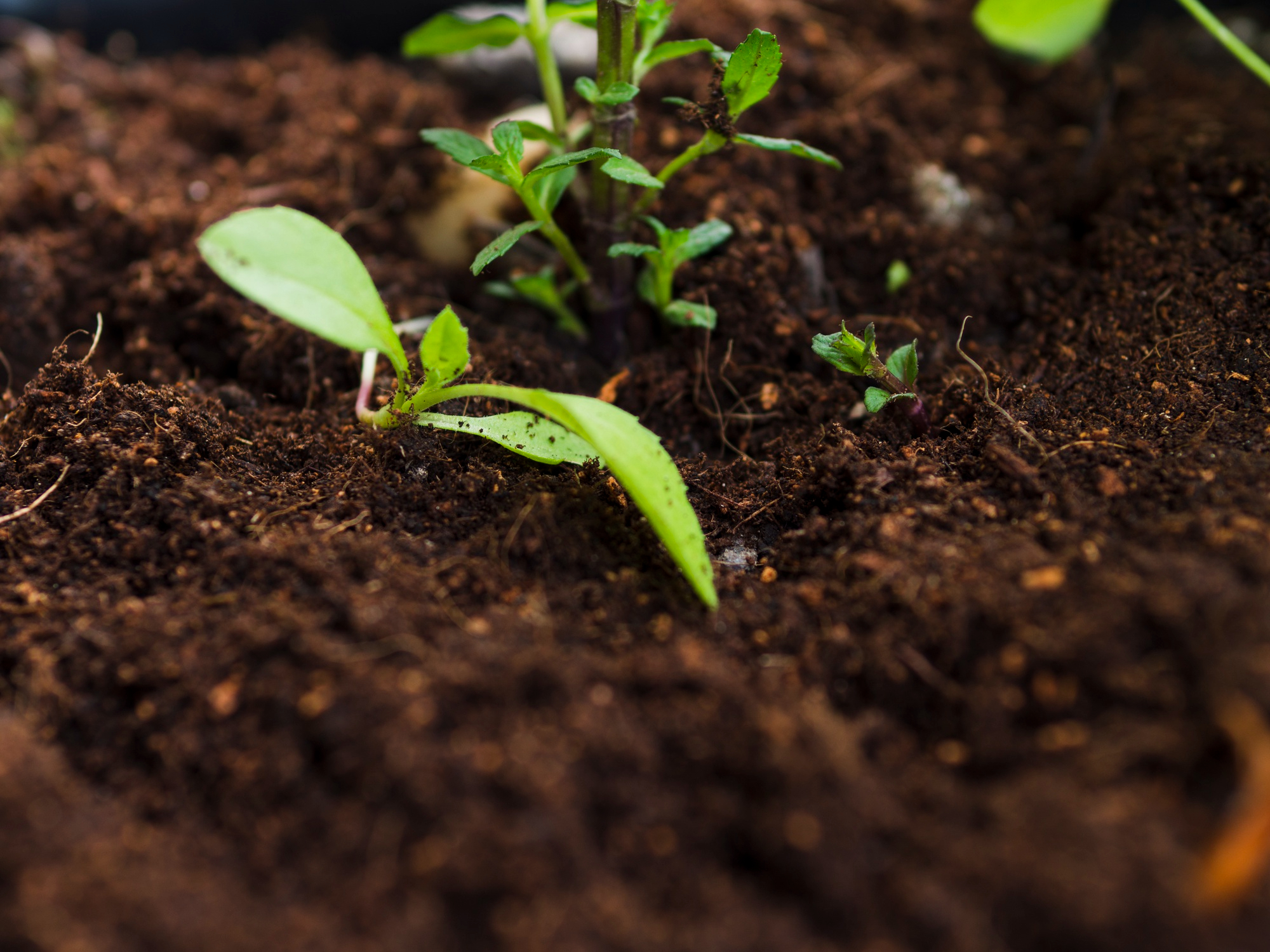
Good Gardens Start Below the Surface
Most gardeners love shopping for the fun stuff. Tomato seedlings. Hydrangeas. Seed packets with heroic-looking vegetables on the front. Maybe a new pair of gloves because the old ones mysteriously became crunchy in the garage.
But the real success of your Connecticut garden starts before any of that.
It starts with the soil.
More specifically, it starts with choosing the right topsoil. That may not sound as exciting as picking out heirloom tomatoes or planning a flower bed full of color, but it matters just as much. Maybe more. Plants are a little like houseguests. Give them a comfortable place to settle in, enough food, and decent drainage, and they’ll usually behave. Put them in poor soil, and suddenly they become dramatic.
Wilted leaves. Slow growth. Yellowing. Root problems. The full botanical soap opera.
For Connecticut homeowners, choosing topsoil can be especially important because local soil conditions vary a lot. One yard might be rocky. Another might have dense clay. Another might drain so quickly that water disappears like it had somewhere better to be. The right topsoil helps correct those issues and gives your garden, lawn, or landscape project a better foundation from the start.
Why Topsoil Matters More Than Most Gardeners Think
Topsoil vs. Dirt: Yes, There’s a Difference
People often use “dirt” and “topsoil” like they mean the same thing. They don’t.
Dirt is what ends up on your shoes, your dog’s paws, and your kitchen floor five minutes after you mop it. Topsoil is the upper layer of soil where most plant roots grow. Good topsoil contains a blend of mineral particles, organic matter, microorganisms, nutrients, and enough structure to support healthy roots.
That structure is important. Plants need more than something to stand in. They need soil that lets water move, lets roots breathe, and holds nutrients long enough for plants to use them.
Poor-quality soil can cause problems such as:
- Water pooling around roots
- Soil crusting or compacting
- Weak root systems
- Nutrient deficiencies
- Poor seed germination
- More weeds than anyone invited
Good topsoil, on the other hand, creates a healthier growing zone. It does not do all the work by itself, but it gives your plants a much better chance.
The Pantry Analogy
Think of topsoil like a pantry for your plants.
A well-stocked pantry has the basics: grains, seasonings, snacks, maybe an emergency chocolate stash. Everything is organized enough that you can actually make dinner. Good topsoil works the same way. It stores nutrients, holds moisture, supports beneficial organisms, and gives roots access to what they need.
Bad soil is like opening the pantry and finding one stale cracker, expired mustard, and a bag of something you are too afraid to identify.
Technically, you have a pantry. But nobody is thriving.
Plants are not that different. If the soil is compacted, nutrient-poor, too sandy, or too heavy, they have to work harder for everything. Some will survive. Fewer will flourish.
What Makes Connecticut Gardens Unique?
New England Soil Can Be Tricky
Connecticut has beautiful landscapes, but gardeners here know the soil can be stubborn. In many areas, you may run into rocky ground, clay-heavy soil, sandy patches, or compacted areas from construction and foot traffic.
Clay soil can hold water too long. Sandy soil drains quickly and may not hold nutrients well. Rocky soil can make digging feel like a punishment for crimes committed in a past life.
Then there is fill soil, which is common around newer homes or recently landscaped properties. Fill may be fine for grading, but it is not always ideal for planting. It can be inconsistent, compacted, or low in organic matter.
That is why adding quality topsoil can be such a useful step. It gives you more control over the planting environment instead of forcing your vegetables, flowers, or lawn to make peace with whatever was already there.
Climate and Seasonal Timing Matter
Connecticut’s seasons also affect how topsoil performs. Wet springs can expose drainage problems. Hot, humid summers can stress shallow-rooted plants. Cold winters and freeze-thaw cycles can shift soil structure over time.
Because of that, gardeners should think about both the soil itself and when they plan to use it.
Spring is popular for planting, lawn repair, and garden bed prep. Fall is also excellent for many projects, especially lawn renovation and perennial planting. Soil is still workable, temperatures are cooler, and plants can focus on root development without the drama of midsummer heat.
The key is to avoid working soil when it is too wet. If you squeeze a handful and it forms a sticky clump that refuses to break apart, wait. Working wet soil can compact it, and compacted soil is basically a “do not enter” sign for roots.
What to Look for in Quality Topsoil
Texture: The Crumb Test
Good topsoil should feel loose and crumbly. It should hold together slightly when squeezed but break apart easily when touched.
If it feels like modeling clay, it may have too much clay. If it falls through your fingers like beach sand, it may drain too quickly. If it smells sour, looks greasy, or contains mystery chunks, that is your cue to ask more questions.
A simple test:
- Pick up a handful of soil.
- Squeeze it gently.
- Open your hand.
- Poke the clump.
If it crumbles nicely, that is a good sign. If it stays in a dense ball, it may compact easily. If it will not hold together at all, it may lack organic matter.
Organic Matter and Nutrient Content
Organic matter is one of the biggest differences between lifeless dirt and productive soil. It improves texture, helps soil retain moisture, supports microbes, and slowly releases nutrients.
For vegetable gardens and flower beds, organic matter is especially important. It helps create the kind of soft, active soil where roots can spread easily. It also encourages earthworms, and earthworms are basically tiny unpaid garden employees. Quiet, efficient, no HR issues.
That said, topsoil is not the same as compost. Compost is richer and more decomposed. Topsoil is usually used as a growing layer or to improve the existing soil profile. In many cases, the best result comes from using topsoil along with compost or other amendments.
Drainage and Moisture Balance
Great topsoil does two things at once: it holds enough moisture for plants to use, but it also lets excess water drain away.
That balance matters. Roots need oxygen. When soil stays waterlogged, roots can suffocate or rot. But if soil drains too fast, plants dry out quickly and need constant watering.
For Connecticut gardens, this is especially important because spring can be wet, while summer can bring dry spells. The goal is soil that behaves like a good sponge. It absorbs water, holds some of it, and releases the rest.
Cleanliness: No Mystery Debris, Please
Quality topsoil should be reasonably clean and consistent. It should not be full of trash, large roots, construction debris, glass, plastic, or excessive rocks.
A few small stones are not the end of the world. This is New England, after all. Rocks are practically part of the regional personality. But you do not want a delivery that looks like someone scraped up the back corner of a vacant lot and called it garden material.
When ordering topsoil, ask whether it is screened and suitable for the type of project you have in mind.
Matching Topsoil to Your Garden Project
For Vegetable Gardens
Vegetable gardens need soil that is loose, fertile, and well-draining. Tomatoes, peppers, beans, squash, lettuce, and herbs all benefit from soil that allows roots to spread and access nutrients.
For in-ground vegetable beds, topsoil can be added to improve poor existing soil. For best results, mix it into the native soil rather than simply dumping it on top. Layering different soils without blending can sometimes create drainage issues, almost like lasagna, except less delicious and more frustrating.
You may also want to add compost for extra organic matter.
For Flower Beds
Flower beds need soil that supports both root growth and blooms. Perennials, annuals, shrubs, and bulbs all have slightly different preferences, but most appreciate loose, fertile soil with decent drainage.
Before adding topsoil, remove weeds and loosen compacted areas. If you are planting perennials, think long term. These plants may stay in place for years, so giving them better soil at the beginning can save you headaches later.
A little effort now can mean fewer sad, floppy plants later.
For Lawns
Screened topsoil is commonly used for lawn repair, leveling low spots, and preparing areas for seed. If your lawn has bare patches, thin grass, or uneven areas, adding a thin layer of quality topsoil can help grass seed make better contact and establish roots.
For overseeding, do not bury existing grass under a thick layer. A light topdressing is usually enough. Grass still needs light, air, and room to grow. Smothering it with soil is not encouragement. It is a blanket with consequences.
For Raised Beds
Raised beds are a little different. Filling them with plain topsoil alone is usually not ideal. Raised beds often perform best with a blend of topsoil, compost, and other materials that improve drainage and structure.
If the mix is too dense, it may compact. If it is too light, it may dry out quickly. The right blend depends on what you are growing and how deep the bed is.
For vegetables, aim for soil that is rich but not heavy. Roots should be able to move through it easily.
How Much Topsoil Do You Need?
A Simple Way to Estimate
To estimate how much topsoil you need, start with three measurements:
- Length
- Width
- Depth
Multiply them together to get cubic feet. Then divide by 27 to convert cubic feet into cubic yards.
For example, if your garden bed is 12 feet long, 6 feet wide, and you want to add 4 inches of topsoil, convert 4 inches to feet first. That is about 0.33 feet.
12 × 6 × 0.33 = 23.76 cubic feet
23.76 ÷ 27 = about 0.88 cubic yards
In that case, you would likely order around 1 cubic yard, depending on the project and settling.
Why It’s Better to Slightly Overestimate
Topsoil settles. It spreads unevenly. You may discover a low spot you forgot about. And nothing ruins a productive Saturday faster than realizing you are short on material with one sad corner of the garden left unfinished.
Slightly overestimating is usually better than underestimating, especially for larger projects. Just do not go wildly overboard unless you want to explain to your family why there is a small hill in the driveway.
Common Topsoil Mistakes to Avoid
Buying the Cheapest Option Without Asking Questions
Cheap topsoil can be tempting. But if it is full of weeds, rocks, debris, or poor-quality material, it may cost more in the long run.
Ask basic questions before ordering. Is it screened? What is it recommended for? Is it suitable for gardens, lawns, or general landscaping?
You do not need to become a soil scientist overnight. You just need enough information to avoid buying a truckload of regret.
Using Topsoil When Compost or Fill Is Actually Needed
Topsoil is useful, but it is not magic. Sometimes you need compost. Sometimes you need fill. Sometimes you need drainage work before adding anything.
Use fill for raising grades or filling deep areas where plant growth is not the main goal. Use compost to improve organic matter and fertility. Use topsoil as the growing layer for lawns, beds, and planting areas.
Each material has a job. Asking topsoil to do every job is like asking a garden rake to be a shovel, broom, and therapist. It may try, but it is not going to end well.
Ignoring Existing Soil Conditions
Before adding new soil, look at what you already have. Is it compacted? Does water pool after rain? Is it rocky? Does it dry out quickly?
The answer will help you choose better material and decide whether you need amendments. In some cases, mixing new topsoil into existing soil is enough. In others, you may need compost, drainage improvements, or pH testing.
A simple soil test can also be worthwhile, especially for vegetable gardens. Connecticut soils can be acidic, and some plants are picky about pH.
Questions to Ask Before Ordering Topsoil
Is It Screened?
Screened topsoil has been passed through a screen to remove larger rocks, roots, and debris. It is usually better for lawns, garden beds, and areas where you want a smoother finish.
Unscreened topsoil may be less expensive, but it can contain larger material. That may be fine for certain rough grading projects, but it is not ideal when you are trying to grow a neat lawn or prepare a planting bed.
Where Does It Come From?
Ask about consistency and intended use. You want topsoil that is appropriate for your project, not just whatever happens to be available that day.
A reputable supplier should be able to explain what the material is commonly used for. If you are growing vegetables, say that. If you are leveling a lawn, say that. The more specific you are, the better guidance you can get.
Is Delivery Available?
For anything more than a few bags, bulk delivery often makes more sense. Topsoil is heavy. Very heavy. The kind of heavy that makes your car suspension reconsider its career choices.
Before delivery, think about access. Where should the soil be dumped? Is the driveway clear? Will the truck have room? Do you need a tarp to protect the surface underneath?
Planning this ahead of time can save a lot of shoveling, sweeping, and muttering.
Final Thoughts: Build the Soil, Then Grow the Garden
Choosing the right topsoil is not the flashiest part of gardening, but it is one of the most important. Healthy soil supports healthy roots. Healthy roots support stronger plants. Stronger plants mean better flowers, better vegetables, better lawns, and fewer moments where you stand in the yard asking, “What happened this time?”
For Connecticut gardeners, the right topsoil can help balance rocky, sandy, clay-heavy, or compacted native soils. It can improve drainage, support root growth, and give plants a better start.
Start by matching the soil to your project. Ask questions before ordering. Pay attention to texture, cleanliness, organic matter, and drainage. And remember that topsoil is part of the bigger garden system, not a miracle cure in a pile.
A beautiful garden starts below the surface. Build that foundation well, and everything above it has a much better chance to thrive.