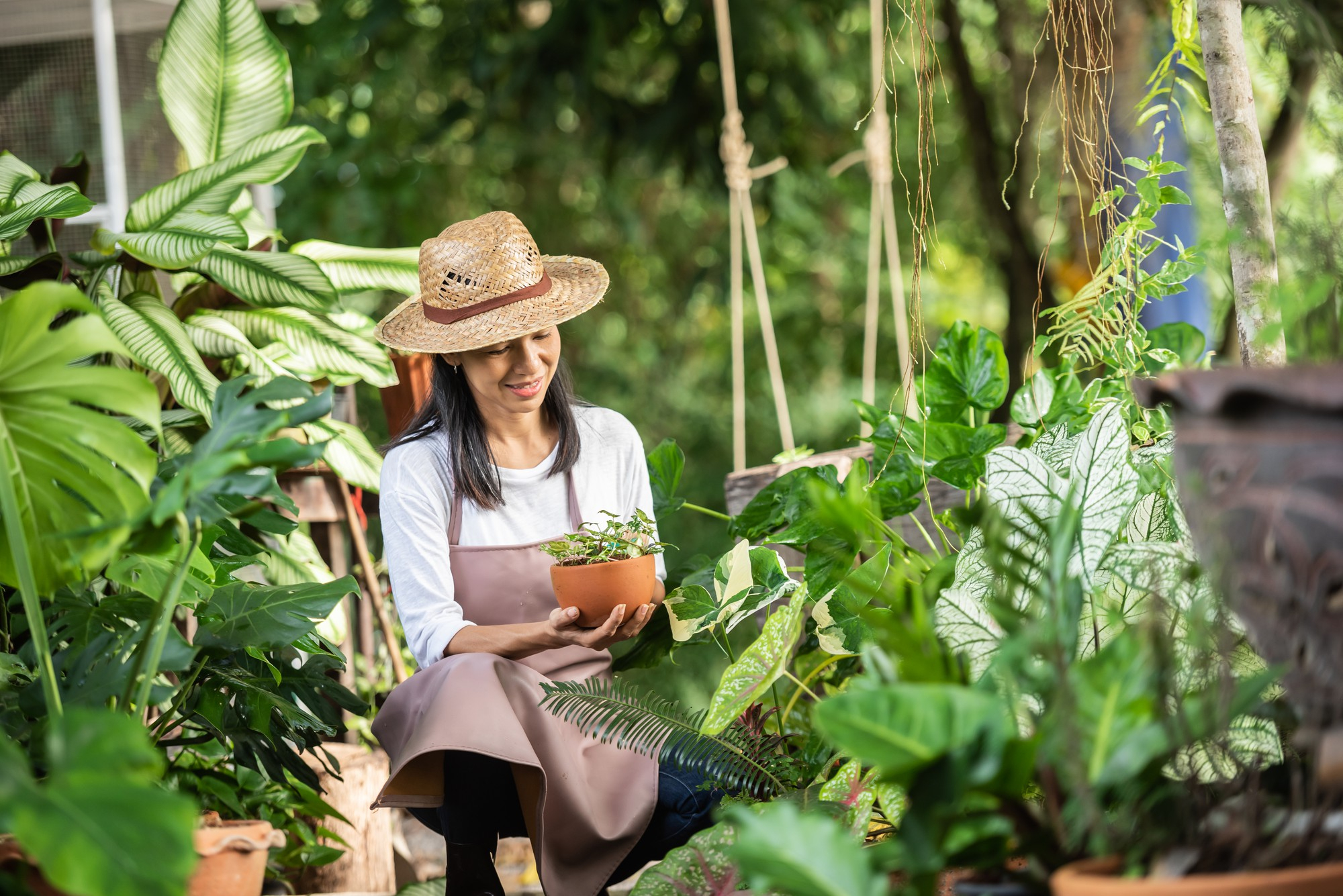
A productive garden can do more than supply fresh food for your household. Seedlings, cut flowers, herbs, eggs, preserves, or seasonal produce may also become the foundation of a small home-based business. Turning a hobby into a reliable source of income takes more than a good harvest: customers need to understand what you offer, how to find you, and why your products are worth choosing. A clear identity and thoughtful communication can help a modest operation grow without losing the personal touch that makes it appealing.
Start With a Specific Offer
Before choosing a name or designing a label, decide what you can provide consistently. A garden may produce a wide range of things, but trying to sell everything at once can make planning and promotion difficult. Consider your available space, growing season, storage, and the time you can commit alongside family responsibilities.
One grower might focus on vegetable starts suited to local gardens, while another sells weekly herb bundles or bouquets. Make a simple list of products, likely quantities, and the months they will be available. This helps set realistic expectations and gives customers a clear reason to follow your updates. It can also reveal practical limits, such as whether you have enough room to pack orders or keep produce cool before pickup.
Choose a Name That Fits the Work
A useful business name should be easy to say, spell, and remember. It can suggest your location, growing style, or main product, but avoid a name so narrow that it becomes awkward if your offerings change. Ask a few people to hear it once and then write it down; if they struggle, consider a simpler option.
Check that the name is not confusingly similar to another local business, and consider how it will look on a market sign, a small label, and a social media profile. You do not need a complicated brand system at the beginning. Consistent wording, a small set of colors, and clear photographs can make a new operation feel organized and recognizable.
Make Packaging Practical and Informative
Packaging should protect the product and make its use or care clear. A seedling label can include the plant variety, light needs, and a brief watering reminder. A produce bag or bouquet tag might identify the contents and the harvest date. For foods prepared at home, check applicable local rules for production, labeling, and sales before offering them to customers; requirements differ by product and location.
Keep the design legible at the size you will actually use. A detailed illustration may look attractive on a screen but become hard to read on a small tag. Test a sample before ordering a large batch, and leave room for information that changes, such as the variety or harvest date. Reusable crates and minimal packaging can also reduce waste, provided they suit the product and local food-safety guidance.
Budget for Design Without Guesswork
Some growers make their own basic graphics, while others hire a designer for a logo or a small set of labels. The right choice depends on your skills, budget, and how widely the design will be used. If you are considering paid help, compare what is included: a single image file is different from a package with alternate sizes, print-ready files, and usage rights.
Prices vary with experience and the scope of the work. For a useful starting point, this 2026 logo cost guide outlines common price ranges, from lower-cost options to freelance projects. Osdire is a freelance marketplace where buyers can hire people for design and other services. Whatever route you choose, agree on deliverables before work begins and make sure the final files will suit both online use and physical labels.
Reach Customers Beyond the Market Stall
A simple online presence can answer the questions customers often ask: what is available, where pickup happens, and when orders open. Keep updates realistic and current. If a frost damages seedlings or a crop is smaller than expected, an honest notice is more useful than leaving an outdated list online. Photos of your growing process can build trust, but useful details—varieties, availability, and care instructions—matter just as much.
You can also share practical knowledge with local gardening groups, community publications, or relevant blogs. A helpful article about starting seeds in your climate or choosing herbs for a small patio introduces your experience to readers who may later become customers. If you are researching potential publishers, a directory of guest-posting websites can help you explore outlets across different subjects. Look for a genuine match with the audience, read the publication’s contribution guidelines, and offer advice that stands on its own rather than turning the piece into a sales pitch.
Keep the Business Manageable
Set a routine for recording expenses, sales, and customer orders. Even a basic spreadsheet can show which products are worth the time and which supplies are costing more than expected. Keep business tasks within hours you can sustain, especially during busy planting and harvest periods. A small operation does not need to expand every season; dependable quality and clear communication may be more valuable than adding products faster than you can manage.
Building a garden business is a gradual process. Start with a focused offer, make the buying experience clear, and invest in design or promotion only where it solves a real problem. With steady planning, the skills and surplus from a home garden can serve both your household and a growing circle of customers.