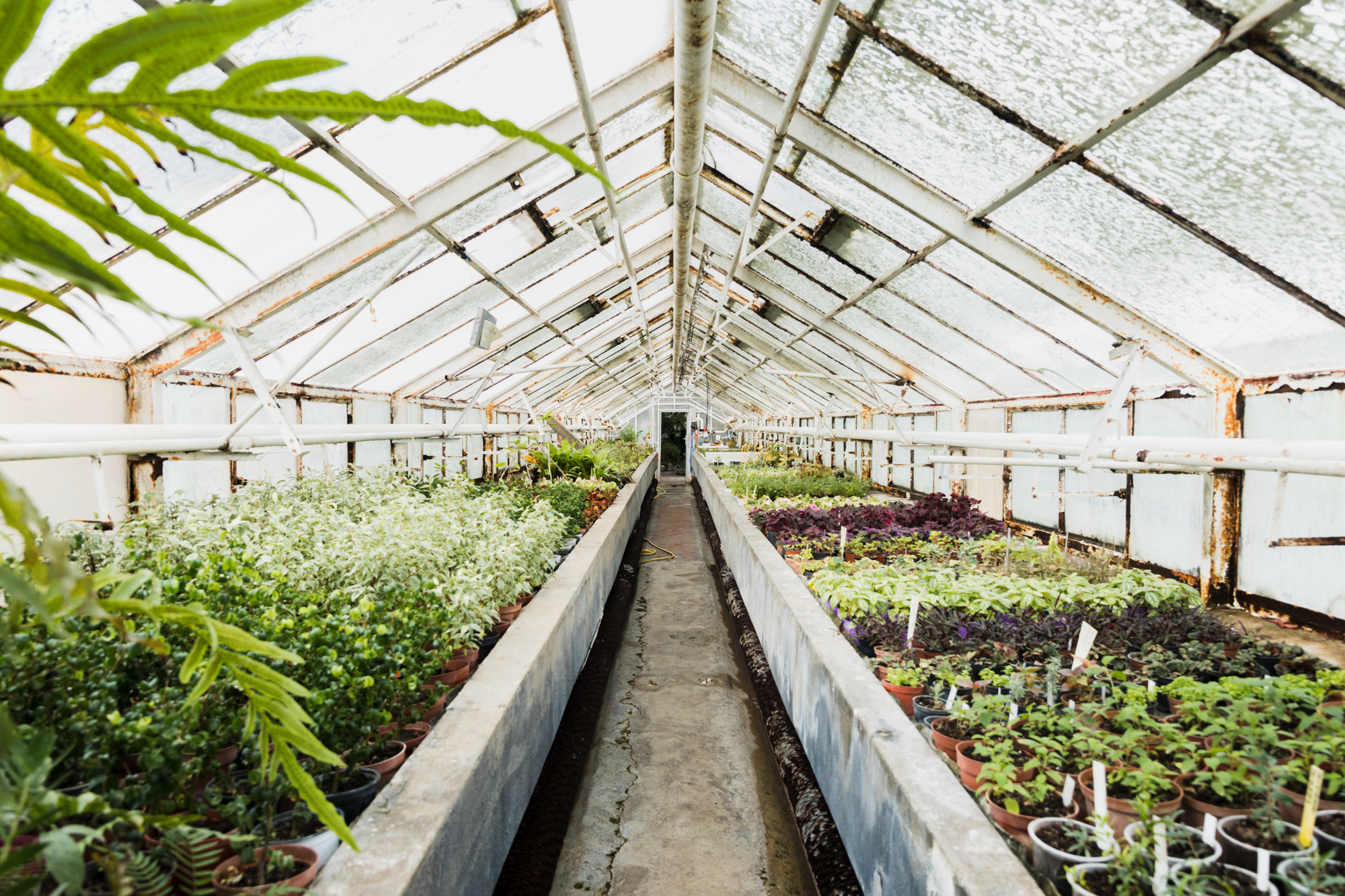
You’ve coaxed seedlings through dark winter days, fought off aphids with soapy sprays, and perfected the rhythm of ventilation-fan hums and drip-line clicks. Then a sudden cold snap rolls in at 2 a.m., flips the breaker, and your greenhouse heater goes silent. By sunrise the glass is frosted and every tender start is mush. One frayed power cord or faulty breaker can undo months of work in a single night.
A remote temperature monitor turns that worst-case scenario into a late-night text and a quick dash to the fuse box—annoying, but survivable. Here’s why it belongs beside the potting bench in every greenhouse, hoop house, and insulated grow shed.
Power Outages Are the Invisible Assassin
Most growers - both casual and professional - focus on heat output and insulation R-values; however many cold-damage events trace back to plain old power cuts. When power drops, electric heaters stop, Wi-Fi routers die, and even the smart thermostat you installed that promised alerts goes offline precisely when you need it.
A good remote monitor skirts that single point of failure by running on its own battery and sending data over the cellular network. Even if the greenhouse loses both power and internet, the monitor keeps pinging your phone every few minutes. If temperature plunges toward the danger zone you get an SMS while there’s still time to act.
Plants Have a Narrow Safety Margin
Most vegetables slow growth around 10 °C. Tomatoes, peppers, and basil show chilling injury earlier; for many ornamentals, leaf cells rupture below 5 °C. A two-hour dip can stunt seedlings for a month, while a single freeze wipes them out completely. Continuous monitoring tells you not only that heat failed, but how long conditions have been hostile—critical for judging rescue vs. re-sow.
Data = Cheap Insurance
Traditional freeze alarms cost about the same as a replacement propagation mat, yet the crop loss they avert often runs into hundreds of dollars in seed, soil blocks, grow lights, and labour. Overwintering citrus, orchids, or rare succulents? The math tilts even harder in favour of monitoring.
And it isn’t just catastrophes. Watching a temperature graph lets you fine-tune night set-points. Nudging the heater from 18 °C down to 15 °C after sundown can trim winter energy bills by double digits without stressing cool-tolerant crops, savings that quickly pay for the sensor.
Why Cellular Beats Wi-Fi
Wi-Fi greenhouse sensors look handy until the router sits in the house eighty metres away under metal siding. Signal fades, range extenders drop packets, snow loads block line-of-sight - and if an outage itself knocks out the router, alerts never get sent.
Cellular monitors tap into cell towers already blanketing rural areas for smart-meter traffic. No local network, no passwords, no freezer-killed modem.
Choosing the Right Hardware
Remote monitors span DIY boards to full commercial rigs with CO₂ and humidity read-outs. The sweet spot for small-to-mid growers is a purpose-built cellular unit with battery backup and a straightforward dashboard. One example that works across the US, Canada and Mexico is CabinPulse, a portable sensor originally designed for freeze alarms in cabins that now finds a natural home among seed trays and citrus tubs. Its 3G and LTE radio keeps reporting for 3 days on internal battery if the mains go down, and you can set multiple temperature thresholds - handy when figs tolerate 5 °C but tomatoes demand double digits.
Whatever brand you pick, look for:
-
Battery backup (at least 12 h)
-
True cellular connectivity (not a Wi-Fi bridge)
-
Customisable notification rules
-
Historical data download for energy audits
Peace of Mind Beats a 4 a.m. Panic
As a grower, you already juggle seedings, market orders, and weather forecasts. A remote monitor removes one chronic worry: Did the heater quit while I’m away? Most nights, the phone stays silent. On the rare one it whistles, you throw on boots, reset the breaker, and slide back under the covers knowing the kale will still be standing at dawn.
Quick-Start Checklist
-
Pick a cellular freeze alarm with battery backup
-
Place the device at plant height in the chilliest part of the structure.
-
Set alerts 2–3 °C above your critical threshold.
-
Test by unplugging the heater one evening and confirming the notification arrives.
-
Relax! Your plants now have round-the-clock guards against the next polar vortex.
A remote temperature monitor is the cheapest, simplest safety net you can string across your greenhouse investment—catching problems before frost does.
Happy growing, and may your notifications stay silent!