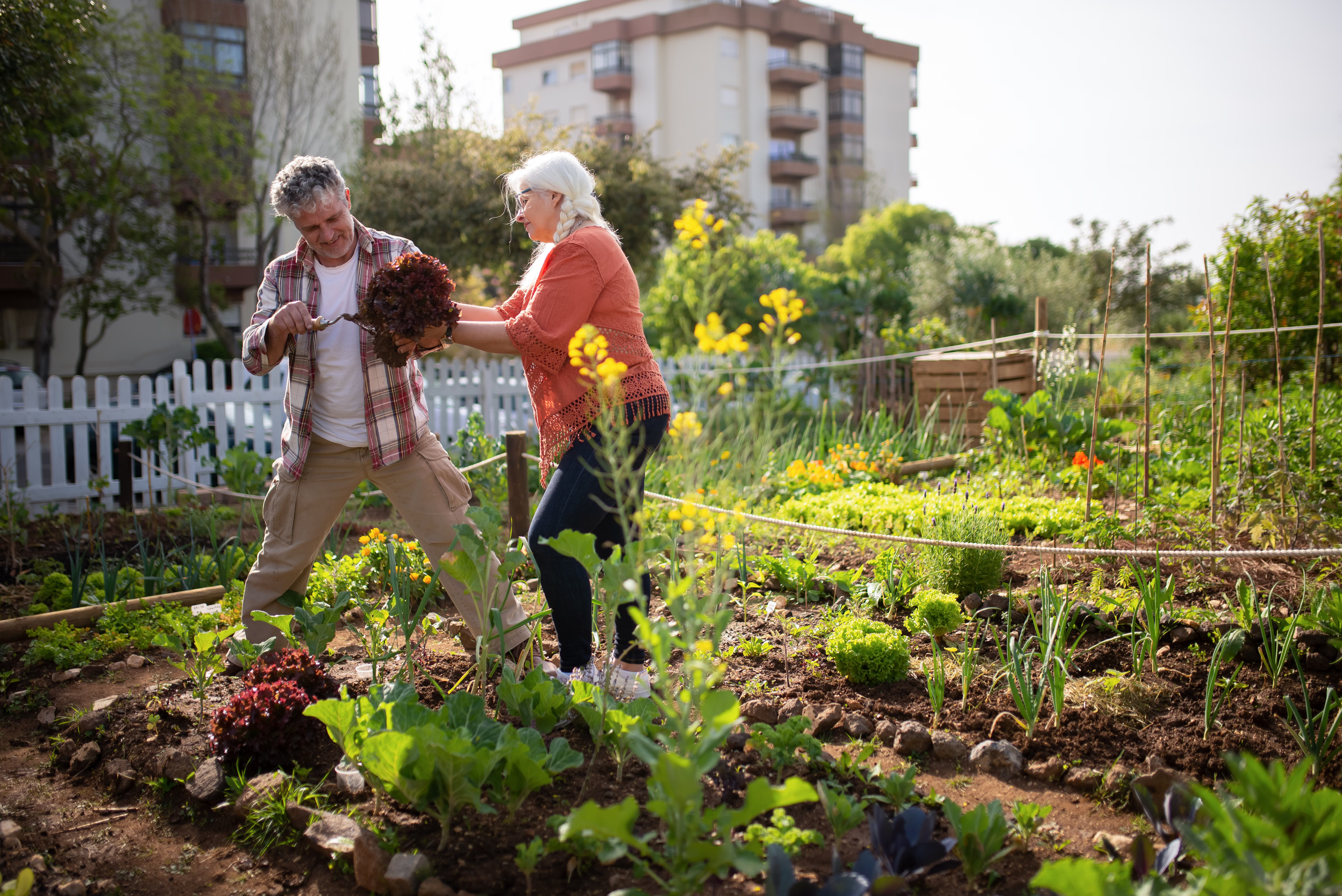
Turning a big, unused property into a lively community garden is an amazing way to grow fresh food, connect with others, and make a neighborhood more beautiful. If you have a large yard, an empty lot, or access to some land, you could create a space that helps many people. This guide will show you how to turn that idea into a thriving shared garden.
Finding the Right Land for Shared Plots
A garden's success really comes down to where it's located. Before you start digging, check the land to make sure it's good for shared growing. The most important thing is sunlight. Most vegetables and fruits need at least six to eight hours of direct sun every day, so an open spot is best.
Next, think about water. Is there a spigot nearby, or will you need to put one in? A reliable water source is a must-have for a garden with lots of people using it. You'll also want to test the soil. A simple soil test kit can tell you about its pH and nutrient levels, which helps you figure out what kind of improvements it might need. Finally, consider how easy it is to get to. The garden should be simple for people to reach, with clear paths for bringing in supplies and picking produce.
Designing for Communal Success
A well-thought-out design is key to a community garden that works well and produces a lot. A good plan balances individual plots with shared areas. Start by drawing out where each garden bed will go, leaving wide, clear paths between them for wheelbarrows and easy movement. Common areas are just as important. Plan for a central gathering spot with a bench, a shared tool shed, and a compost system with multiple bins.
Keeping these common areas tidy is a shared job that helps the garden look great. While individual gardeners are usually responsible for their own plots, communal spaces such as grassy walkways, gathering areas, and open lawns also need regular maintenance. These shared areas often create the first impression visitors have of the garden and help keep the site accessible throughout the year.
For larger community gardens, maintaining these open spaces can become surprisingly time-consuming. Choosing equipment that matches the size of the property can make routine upkeep much easier. A zero-turn riding lawn mower can help maintain larger grassy sections efficiently, allowing volunteers and organisers to spend less time on maintenance and more time supporting planting, harvesting, and community activities.
Funding and Community Support
Most successful community gardens rely on more than volunteer labour alone. Securing support from local businesses, councils, schools, or community organisations can help cover expenses such as tools, fencing, irrigation systems, and soil improvements.
Fundraising events, membership fees, and small grants can provide ongoing financial support. Many gardens also encourage members to donate seeds, seedlings, or spare equipment. These contributions may seem small individually, but together they help reduce operating costs and strengthen community involvement.
Building local partnerships can also attract new participants and create opportunities for educational workshops, gardening classes, and seasonal events that keep the garden active throughout the year.
Preparing the Land for Growing
Before gardeners can start planting, the site itself needs some preparation. Even a sunny piece of land may require work before it becomes productive. Removing weeds, clearing debris, and improving soil quality are often some of the first major tasks.
Raised beds are a popular choice because they improve drainage and make plots easier to manage. Adding compost and organic matter can also help create healthier growing conditions, especially if the existing soil is compacted or lacking nutrients.
If the site has been unused for a long time, it may need more extensive preparation. Levelling uneven ground, removing old structures, or clearing vegetation can make the space safer and more accessible for gardeners. Planning these tasks early helps avoid delays once the growing season begins.
Creating strong foundations at the beginning often determines how successful the garden will be in the years ahead.
Managing Shared Green Spaces
Once the garden is designed, you need a way to run it. Clear rules stop confusion and make sure everyone does their part fairly. Create a simple document that tells plot holders what's expected. This might include rules for weeding, how to harvest politely, and how to use shared items.
Setting up a system for shared resource management is really important. This goes for tools, water use, and compost. A sign-out sheet for bigger tools can be useful, and a shared calendar for watering makes sure plants don't get forgotten. It's also smart to form a small leadership group or pick a garden coordinator. This person or group can handle messages, sort out small disagreements, and organize workdays for bigger jobs like turning compost or fixing things.
Building a Thriving Gardener Network
A community garden is just as much about people as it is about plants. Building strong connections turns individual plots into a real community. Regular communication is the first step. Set up a group email list, a social media group, or a simple text chat to share updates, ask questions, and celebrate successes.
Encourage people to interact beyond just gardening. Host a kickoff party at the start of the season, organize mid-summer potlucks with dishes made from garden produce, or hold informal workshops where experienced gardeners can teach new skills to beginners. These events build relationships and create a supportive atmosphere where everyone feels welcome.
Education can also play an important role in keeping members engaged. Not everyone joining a community garden will have the same level of experience, so creating opportunities to learn can help build confidence and encourage participation. Seasonal workshops on topics such as composting, seed starting, pest management, and harvesting techniques can provide valuable skills while bringing people together.
Mentorship programs are another effective option. Pairing experienced gardeners with newcomers helps create stronger connections and makes it easier for new members to settle into the community. Gardeners who feel supported are more likely to stay involved and contribute to the garden's long-term success.
Celebrating achievements is equally important. Whether it's a successful harvest, a new garden project, or a community event, recognising these milestones helps maintain enthusiasm and reminds everyone of the positive impact the garden is having.
When gardeners feel connected to each other, they care more about the long-term success of the shared space.
Creating a community garden is a rewarding project that brings fresh food and lasting friendships. With careful planning and a focus on working together, you can turn an open space into a place of growth and connection.