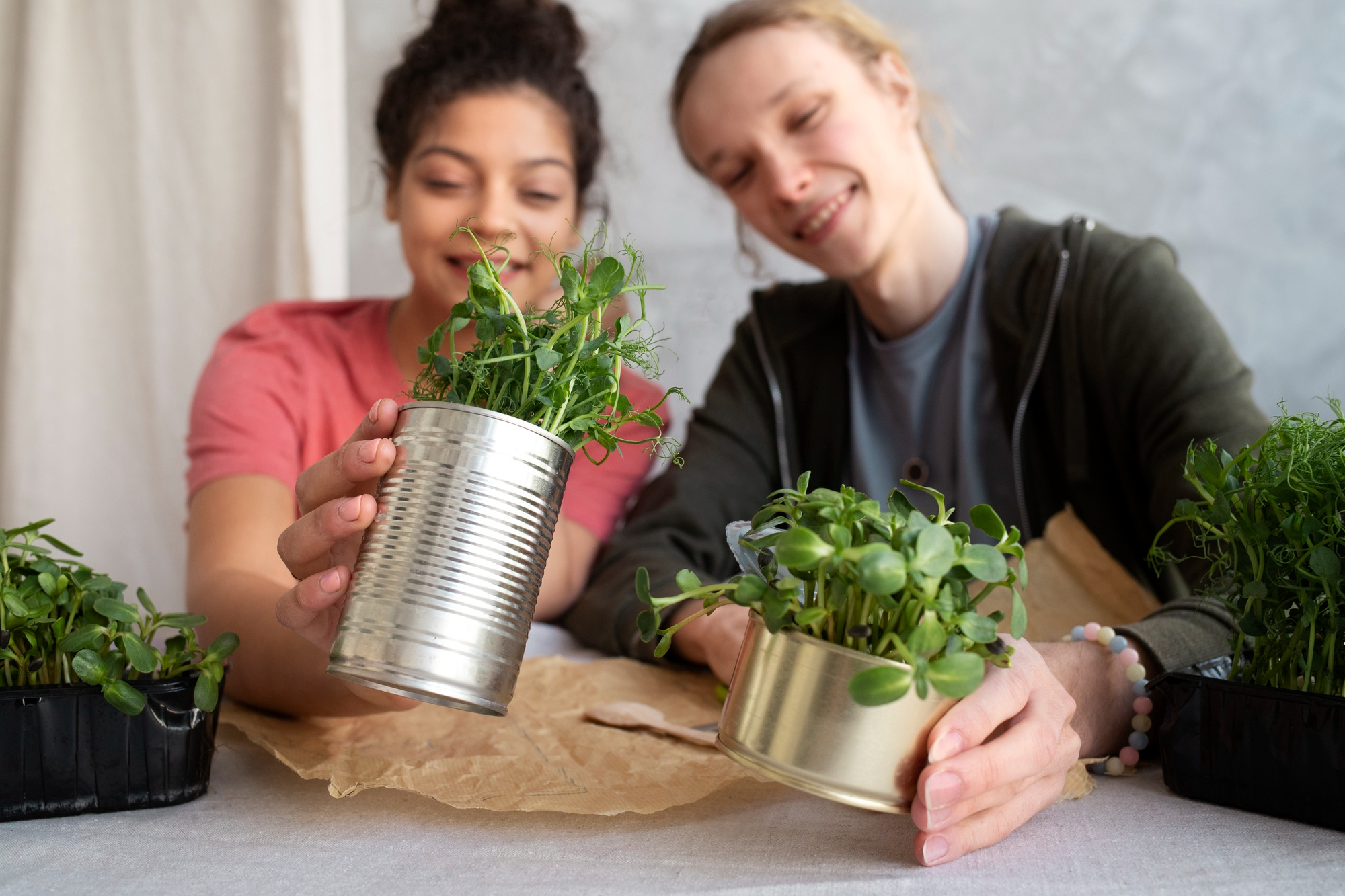
Ever find yourself staring at a pale, flavorless tomato from the supermarket and thinking, “There has to be a better way”? Well, good news—there is! Growing your own food at home is not just for people who wear straw hats and quote seed catalogs like poetry. Whether you have a sprawling backyard, a humble balcony, or a windowsill that gets at least a whiff of sunlight, you can turn any space into a source of fresh, delicious produce.
Let’s be honest: gardening isn’t always glamorous. Sometimes it’s muddy, occasionally it’s buggy, and if you’re like me, you’ll accidentally grow more zucchini than you can pawn off on your neighbors. But there’s real magic in watching a tiny seedling become tonight’s salad—or next month’s salsa.
This guide is for everyone: the green-thumbed gurus, the hopeful beginners, and even those who have only managed to keep a single succulent alive (no judgment). Together, we’ll dig in—pun fully intended—and make your home a little greener, your meals a little tastier, and your gardening stories a whole lot funnier.
The Perks of Homegrown Goodness
Why bother growing your own food when the supermarket is right around the corner? Well, imagine if every meal could taste a little more like summer and a lot less like cardboard. That’s just the beginning.
Why gardeners rave about homegrown food:
-
Flavor, flavor, flavor: You haven’t truly eaten a carrot until you’ve yanked it out of the earth yourself, brushed off the dirt, and crunched in—maybe with a dramatic “ahh!” for good measure.
-
Freshness you can’t beat: It doesn’t get more “farm to table” than your own backyard.
-
Savings at the checkout: A $2 packet of lettuce seeds can give you months of salads—just think of all the extra guacamole you can afford.
-
Peace of mind: No mystery chemicals, no “may contain traces of…” panic attacks.
-
Stress relief: Gardening can boost your mood, lower your blood pressure, and—bonus—make your neighbors jealous.
Did you know? During WWII, Americans grew “Victory Gardens” that produced nearly 40% of the nation’s vegetables. Turns out, you don’t need to wage a war to grow a mean tomato.
Getting Started: No Green Thumb Required
Raise your hand if you’ve ever managed to kill a cactus. (Safe space here.) One of the biggest myths is that you need to be a plant whisperer to grow food. Spoiler: you don’t! Most edible plants are far more forgiving than drama-queen houseplants.
Options for the reluctant or space-challenged gardener:
-
Windowsill herbs: Parsley, chives, and mint are low-maintenance.
-
Balcony or patio pots: Salad greens, cherry tomatoes, or peppers.
-
Raised beds or backyard plots: Root veggies, bush beans, or zucchinis (watch out—they will take over).
Even if you have a tragic history of plant casualties, remember: gardening is like learning to ride a bike. There may be wobbles (or face-plants into the compost bin), but you get better every time.
Planning Your Mini-Farm
Whether you’re a spreadsheet-over-planner or a “let’s just wing it” type, a little forethought can save you time and heartbreak.
Assess Your Space and Sunlight
Most veggies need at least 6 hours of direct sun—think of them as leafy solar panels.
Checklist:
-
Where’s the sun? Watch your space for a day.
-
How much room? Measure it.
-
What fits? Don’t forget vertical options like wall planters.
Choose What to Grow (and What to Avoid)
Beginner-friendly:
-
Lettuce, spinach
-
Radishes
-
Bush beans
-
Cherry tomatoes
-
Basil, mint, parsley
Skip for now:
-
Cauliflower
-
Corn
-
Melons
-
Asparagus
Prepping the Soil (or Not)
Healthy soil is to a garden what good cake mix is to baking: if your base is bad, the outcome will be too. Aim for loose, rich, crumbly earth that drains well but holds moisture.
The Magic of Composting
Composting turns kitchen scraps and yard waste into “garden gold.” Not sure how? Here’s a great guide on how to start composting at home. Even if your first attempt smells more like gym socks than fresh earth, you’re on the right track.
Quick soil prep tips:
-
Remove weeds.
-
Loosen soil.
-
Mix in compost or aged manure.
-
For pots, use quality potting mix.
Planting, Watering, and… Waiting
Every crop has its quirks. Some seeds want depth, others just a surface sprinkle. Most prefer a planting depth about twice their diameter.
Watering tips:
-
Keep soil moist but not soggy.
-
Water in the morning.
-
Containers dry faster—check often.
Common mistakes:
-
Overwatering
-
Crowding seedlings
-
Impatience (some seeds take weeks to sprout)
Waiting for sprouts is like watching water boil—it never happens when you’re looking.
Harvesting the Rewards
This is the payoff! Whether it’s one ripe tomato or a basket of cucumbers, harvesting never gets old.
Quick harvesting guide:
-
Tomatoes: Fully colored, slightly soft.
-
Leafy greens: Snip outer leaves, leave the center.
-
Root veggies: Loosen soil, check size.
-
Herbs: Pinch often to encourage growth.
Got too much zucchini? Share with friends—or stealthily leave it on their porch.
Going Further: The Joy of Experimentation
Once you’re comfortable, try unusual crops, vertical gardening, or even hydroponics. There’s always something new to learn.
If you’re ready to go deeper, check out Backyard Food Freedom’s tips on how to Grow Your Own Food at Home.
Fun experiments:
-
Microgreens indoors (10-day harvest!)
-
Saving seeds
-
Companion planting
-
Small greenhouse for year-round growing
Conclusion
From a single basil plant to a backyard overflowing with produce, growing your own food is a mix of science, art, and a little bit of luck. You’ll make mistakes. You’ll have wins. And you’ll eat better than you ever have from a store.
So grab some seeds, roll up your sleeves, and dig in. Your taste buds—and maybe your neighbors—will thank you.