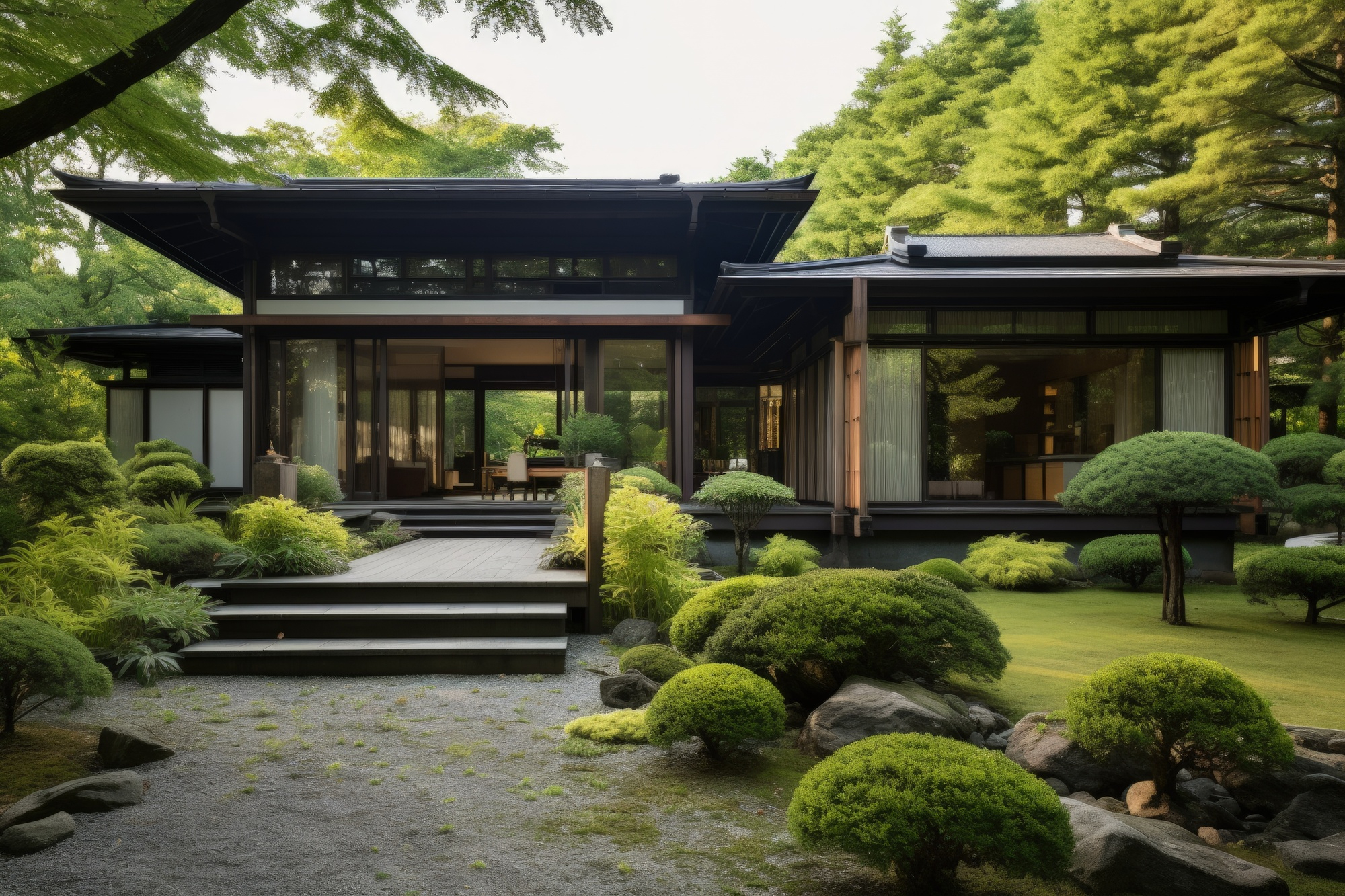
Picture stepping into a garden where every corner hums with life, yet the water meter barely moves and the grounds crew spends more time admiring than mowing. That harmony is no accident—it’s the result of green landscaping engineering.
In regions with tough climates—think the humid summers and sudden cloudbursts of civil engineering Orlando, Florida projects, designers must tame sandy soils, guide stormwater, and still keep the scene inviting. By weaving together environmental science, hands‑on experience from civil engineering in Orlando, Florida, and landscape art, this approach shapes outdoor areas that look striking, work hard, and tread lightly on the planet. In plain terms, it uses smart design and earth‑friendly materials to build yards, parks, and campuses that thrive with minimal waste.
Why Choosing Green Matters
Conventional landscaping often chases quick visual impact—lush lawns, exotic blooms, constant irrigation. The costs pile up: high water bills, fertilizer runoff, noisy gas mowers, and endless weekend upkeep. Green landscaping engineering turns that story on its head by focusing on:
-
Resource efficiency – lower water use, reduced energy, fewer chemical inputs
-
Biodiversity support – native plants attract pollinators and songbirds, strengthening local ecosystems
-
Climate resilience – healthy soil stores carbon and absorbs stormwater, easing flood risks
-
Human well‑being – green views improve mood, lower stress, and boost property values
Going green isn’t a passing trend; it’s a practical answer to shrinking resources and changing weather patterns.
Core Principles of Green Landscaping Engineering
-
Site‑Specific Design
Every plot has its own sun angles, soil texture, and microclimates. A thorough site analysis—soil tests, shade mapping, rainfall data—guides choices that fit the place instead of forcing the place to fit the plan. -
Soil Health First
Fertile, living soil is the hidden engine of any landscape. Compost, biochar, and low‑impact machinery build sponge‑like soil that stores water and gives plants natural resistance to pests. -
Water‑Wise Strategies
Smart controllers, drip lines, and moisture sensors deliver water only when and where it’s needed. Rain gardens, bioswales, and permeable pavers steer stormwater back into the ground, not the gutter. -
Native and Adaptive Plant Palettes
Species evolved for the local climate slash water use and chemical inputs. Layering perennials, shrubs, and canopy trees creates habitats and vibrant color through the seasons. -
Energy‑Smart Features
Strategically placed trees shade walls and windows, trimming summer cooling bills. Solar path lights charge by day and glow by night without tapping the grid.
Essential Techniques and Tools
Green landscaping engineering blends proven methods with fresh tech:
-
Xeriscaping – designing for drought tolerance using mulch, gravel, and select plants
-
Hydrozoning – grouping plants by water need so irrigation can be fine‑tuned
-
Living roofs and walls – vegetation on buildings that cool interiors and trap dust
-
Recycled hardscape materials – reclaimed brick, crushed concrete, and composite lumber
-
Smart sensors and IoT valves – real‑time data to adjust watering in sync with weather
-
Electric maintenance tools – quiet, zero‑emission mowers and trimmers
Sample Temperate‑Zone Plant Palette
-
Butterfly milkweed (Asclepias tuberosa)
-
Switchgrass (Panicum virgatum)
-
Eastern redbud (Cercis canadensis)
-
Purple coneflower (Echinacea purpurea)
-
Creeping thyme (Thymus serpyllum) as a lawn alternative
Each plant earns its spot by offering color, nectar, and low water needs.
The Design‑Build Process in Five Steps
|
Step |
Action |
Purpose |
|
1 |
Discovery |
Meet stakeholders, set goals, note constraints |
|
2 |
Analysis |
Map sun, soil, slopes, and utilities |
|
3 |
Concept Sketches |
Explore layouts, circulation routes, and planting masses |
|
4 |
Detailed Engineering |
Size swales, choose materials, draft irrigation plans |
|
5 |
Installation & Monitoring |
Build, plant, and fine‑tune systems during the first year |
Clear communication at each stage keeps budgets and ecological targets in sync.
Benefits You Can Measure
-
Water savings – 20–80 % less than conventional lawns (climate dependent)
-
Run‑off reduction – bioswales capture up to 90 % of a 25‑year storm event
-
Energy cuts – strategic tree planting can trim summer cooling costs by 30 %
-
Carbon capture – a mature shade tree can lock away about 22 kg of CO₂ per year
-
Return on investment – most retrofits pay for themselves in three to seven years through lower utility bills
Future Trends Shaping Greener Grounds
-
Regenerative design – landscapes that improve soil, water, and habitat health
-
AI‑driven irrigation – machine learning predicts plant stress and weather swings for precision watering
-
Modular edible landscapes – plug‑and‑play planters let renters grow food without digging
-
Community micro‑forests – dense pocket forests cool cities and absorb noise
-
SITES & LEED synergy – more projects seek dual certification, linking building and landscape performance
Maintenance and Long‑Term Care
A green landscape thrives on steady attention, not heavy labor. Stroll the site each week, checking leaf color, soil moisture, and insect activity. Weed early, before seeds form, so harsh herbicides stay on the shelf. Each spring, spread a thin layer of finished compost and replenish mulch; you’ll feed soil life, trap moisture, and cool plant roots. Re‑program irrigation timers at the start of every season—five minutes with the manual can save thousands of liters a year.
Prune to guide natural form, not force rigid cubes. Use sharp hand pruners for young shoots and leave big canopy cuts to certified arborists. After heavy rain, sweep permeable pavers and rain‑garden inlets clear so water can keep soaking in. Track rainfall, maintenance hours, and utility bills; those simple metrics help fine‑tune schedules and showcase the real value of green landscaping engineering.
How to Get Started
Even small steps make a difference:
-
Replace a sunny strip of grass with a pollinator bed mulched with shredded leaves
-
Install a rain barrel and attach a drip hose to container plants
-
Swap gas blowers for shared battery models among neighbors
-
Ask local nurseries about native‑plant sales or design clinics
-
Partner with schools or scouts on tree‑planting days
For larger projects, commercial grounds, streetscapes, and school campuses, team up with a licensed professional in landscape architecture or civil engineering who has experience in green infrastructure.
Conclusion
Green landscaping engineering is not a luxury for showcase gardens. It’s a practical, science‑based path to healthier, brighter, and more resilient outdoor spaces—from pocket courtyards to regional parks. By honoring natural rhythms, using water wisely, and choosing plants that belong, we create places that lift the spirit while easing the strain on our planet. Start small or think big, but start today—the ground beneath your feet is ready to bloom the sustainable way.