Winter is hard on us and on our plants, especially the ones living on the windowsill in a pot or in a glassed-in garden. Those old leaky windows let cold air in and form condensation and even mold in some cases, which spells trouble for houseplants. We know how frustrating this can be, so let’s explore which windows help preserve warmth, save money, and protect your favorite flower beds, turning your home into the perfect gardening space all year round.
Cold Frames, Warm Plants: The Window-Plant Connection
Windows are not just the “eyes of the home”; they’re the main barrier between your garden and the harsh Canadian winter. Old wood-framed or single-glazed windows will commonly cause problems, allowing cold air in that can drop the temperature to 5°C even with heating. For houseplants like orchids or ferns, this is necessary — they require a consistent 18–22°C. Condensation falling on chilly glass when there is more than 50% humidity provides ideal conditions for mold, which not only harms your plants but also your health. E
Energy efficient windows Vancouver solve these issues. With double or triple glazing and low-emissivity coating (low-E coating), they trap heat inside, minimizing temperature fluctuation. This is especially important for gardeners who are propagating delicate plants like succulents or tropical plants that need a stable microclimate. Vinyl is also extremely low-maintenance, unlike wood, which is destroyed by dampness — just wipe down the frame with a damp cloth and get back to your roses.
How These Windows Are Made
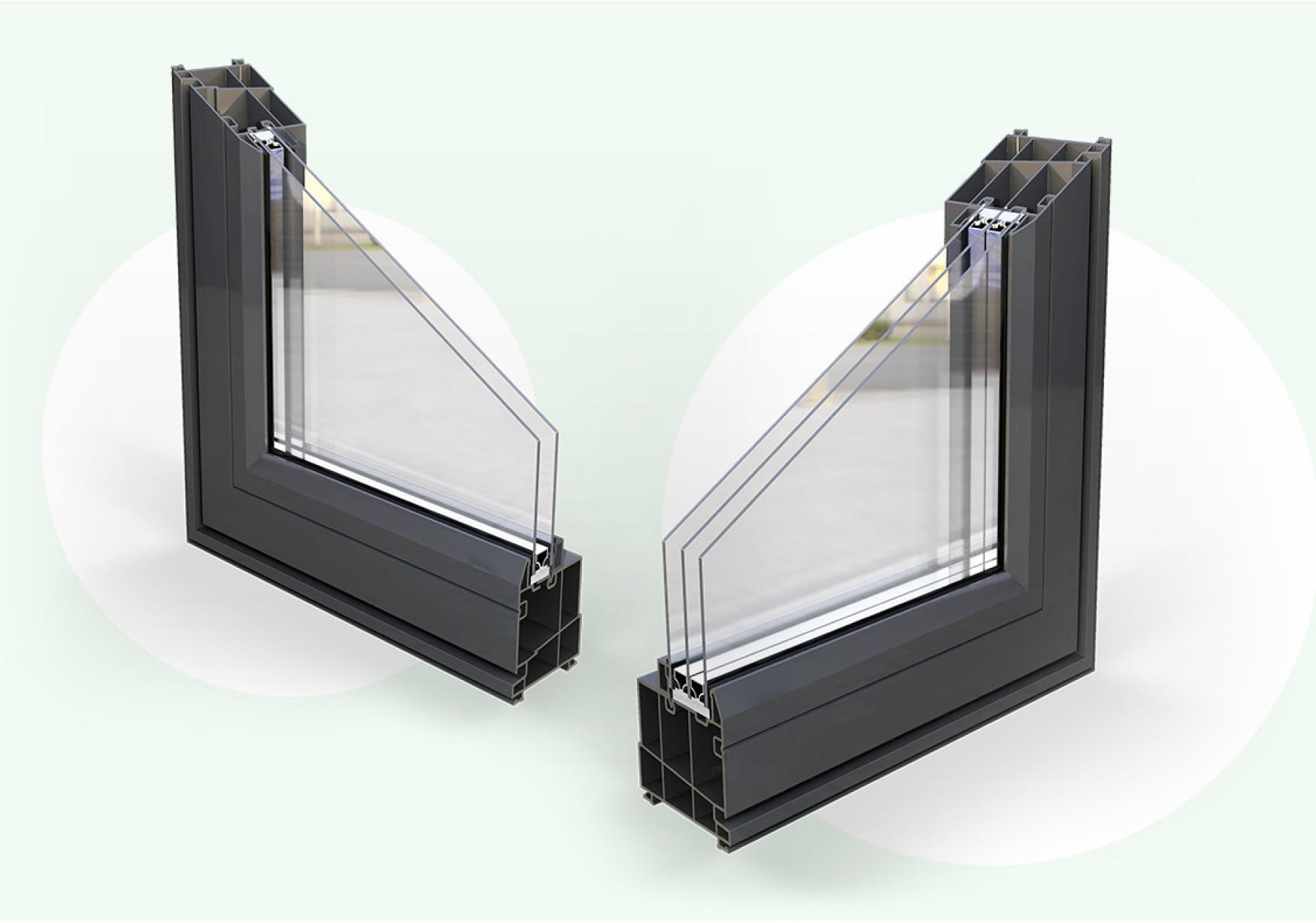
Vinyl energy-efficient windows are a high-tech system designed to optimize your dwelling's microclimate. Their construction involves several key components that directly affect conditions for houseplants and garden plants. Vinyl is a poor thermal conductor (0.15 W/m·K compared to 0.8 for aluminum), i.e., it is extremely effective in keeping heat in. Double- or triple-glazed units filled with inert gases like argon or krypton reduce the heat transmission factor (U-value) to 1.8–2.0 W/m²·K, giving even temperatures near the window — just what plants sensitive to fluctuations, like orchids or citrus, need.
Low-emissivity coating (low-E coating) is an additional technical advantage. Low-E coating bounces infrared radiation, hence holding heat during winter and blocking excessive ultraviolet (up to 75%), which damages indoor plant leaves. Tropical plants, especially those cultivated by gardeners, require diffused light rather than direct sunbeams. In addition, sealed gaskets and multi-chamber vinyl frame profiles minimize moisture penetration, reducing the chance of condensation and mold on windowsills where pots tend to sit.
|
Window feature |
Thermal conductivity (W/m·K) |
UV blocking (%) |
Sound insulation (dB) |
|
Double glazing |
2.8 |
65 |
28 |
|
Triple glazing |
1.8 |
75 |
32 |
|
Low-E coating |
2.0 |
70 |
30 |
These figures illustrate that triple glazing is superior in thermal insulation, whereas low-E coating offers up to 32 dB of sound reduction — a great benefit for homes with high road traffic noise. However, gardeners are primarily interested in microclimate stability, which allows plants to develop without extra heating costs. Clearly, this type of window is an investment in your home's and garden's well-being.
Energy Savings That Grow Like Your Garden
Winter heating charges can rapidly add up, especially when your windows are shedding up to a quarter of the heat from your house. Energy windows reduce these charges, enabling you to invest savings in new seedlings or a greenhouse.
Double-glazed vinyl windows filled with gas (e.g., argon) increase insulation by 12–15% compared to single-glazed glass. This keeps your house from losing heat as rapidly and your heater from operating as often — a godsend for those who like their money and their plants to stay warm. An internal temperature that is constant allows you to leave windows open more during spring and autumn, introducing fresh air to the plants without the risk of drafts. However, the right kind of glazing is necessary to gain optimal advantage. Below are the main options we recommend:
- Double glazing: Suited for moderate winters, reduces heat loss by 10%;
- Triple glazing: Ideal for severe weather conditions, up to 15% off fuel;
- Low-E coating: Reflects heat back into the home, keeping plants safe from temperature extremes.
Another important consideration — mold is gardeners' worst enemy, especially when it appears on window sills where pots rest. Energy-efficient windows with improved insulation reduce condensation risk and, therefore, mold. This allows you to put plants closer to the glass without worrying that moisture will kill them.
Final Thoughts: Sowing the Seeds for a Cozy Future
Energy-saving vinyl windows are more than a home upgrade — they are a way of connecting your home and garden. They protect indoor plants from cold and mildew, enable you to enjoy your garden without heating it and wasting money, and add to the loveliness of your green paradise. These windows pay for themselves in terms of energy savings and increased comfort.
If you’re ready to upgrade your home, start by checking out offers from Ecoline Windows — your plants will thank you. This way, you’ll not only keep the warmth in but also create ideal conditions for your garden all year round.