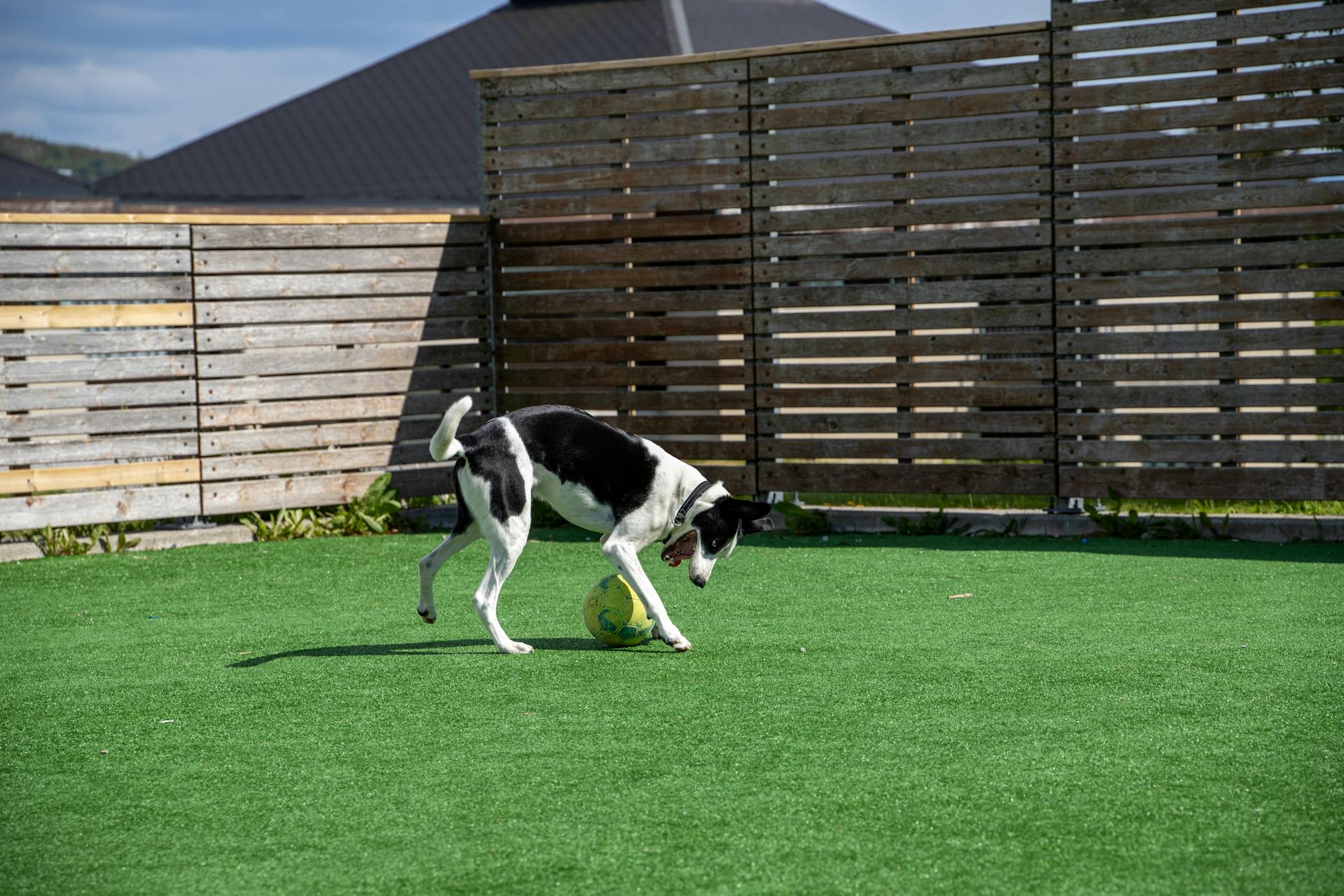
Looking after a real lawn isn’t easy. If your current lawn is a sorry sight (perhaps it’s turned into an overgrown jungle or it looks like No Man’s Land), you may have already been tempted by the thought: ‘wouldn’t this be a lot easier if I had artificial grass’. In most cases, yes - fake turf is much easier to maintain that natural grass. But, when choosing any synthetic substitute, you need to understand that there will be downsides.
In this post, we’ll weigh up the pros and cons of an artificial lawn to help you determine whether choosing synthetic grass is a good decision.
PRO: They’re easy to maintain
A major benefit of an artificial lawn is that it doesn’t need mowing, watering or fertilizing. For those that live busy lives and don’t enjoy yard maintenance, laying down some synthetic turf can make life a lot easier.
You will still need to clean debris and pet waste off these lawns, and occasional brushing is recommended to stop these lawns from looking unkempt, but otherwise owning an artificial lawn is a lot less upkeep. Think about whether you actually enjoy caring for a lawn - if you find it a nuisance, a real lawn is worth considering.
CON: They’re not great for the environment
Artificial grass is made from plastic. It doesn’t create oxygen and absorb carbon dioxide like real grass, and it doesn’t provide a food or pollen source for local insects. It’s also not bio-degradable and could contribute to plastic pollution over the years as it wears.
Recyclable artificial grass does exist and there are arguments to be made that it can reduce carbon emissions by cutting out the need for mowing. However, it’s generally a less sustainable option.
PRO: They conserve water
A way in which artificial lawns can benefit the environment and your wallet is via lack of watering. In hot climates, homeowners can often use up huge amounts of water (sometimes thousands of gallons) to keep lawns looking lush.
While you may occasionally want to hose down your artificial lawn to clean it, you don’t need to regularly use sprinklers. You could find that your water bill is greatly reduced and you could help to fight local water shortages by opting for an artificial lawn.
CON: They can get very hot in direct sunlight
Many artificial lawns retain heat and can become painful underfoot in high temperatures when exposed to direct sunlight for long periods. This could be a major concern to consider if you have pets or young kids.
Light-colored non-rubber infills can help to reduce heat retention. You may also be able to use canopies to provide shade, keeping certain areas of lawn cool. However, in general, expect an artificial lawn to get hotter than real grass.
PRO: They look good all year round
Artificial lawns maintain the same appearance all year round. This is not the case with real lawns - in regions with cold winters, even a well-cared-for natural lawn will turn pale and thin once the temperature drops. If well installed, you also don’t have to worry about weeds when you install a synthetic lawn.
Cleaning and brushing your artificial grass is still necessary to help it look good. While quite durable, an artificial lawn will also get worn over time and may eventually need to be replaced. However, for the most part, you won’t get the same drastic changes in appearance caused by weather and activity as you would with the real thing.
CON: They cost more to install
Installing an artificial lawn costs a lot more than laying down grass seed. It’s more likely to be something you need to save up for - especially if you’re covering a large area in synthetic turf.
It’s worth noting that the cost of artificial grass does vary a lot depending on which supplier and manufacturer you buy from. Some types of grass are quite low cost. However, you may want to avoid the very cheapest options, as they tend to be much lower quality. Premium artificial grass will last longer and may even be engineered to combat many of the cons on this list.
PRO: They can limit mud and grass stains
If you have dogs, you could find that they quickly make your natural lawn muddy by running around in it. Artificial grass doesn’t get churned up like real grass, and could reduce muddy spots. This is particularly the case with pet-specific turf designed to eliminate mud, helping to prevent dirt being dragged indoors. Kids playing outside on an artificial lawn also won’t get grass stains on their clothing.
Most artificial grass will still get dirty over time, but occasional cleaning will stop it getting too muddy. Choosing the right kind of artificial grass makes a big difference.
CON: They may not be as soft to fall upon
Real lawns can often provide more cushioning than an artificial lawn, although it depends on the type of soil vs artificial grass material.
Expect cheaper artificial grass to be harder and more abrasive. This could make it less suitable for young kids to play on.
Should you install artificial grass?
Installing artificial grass could be a good decision if you really are sick and tired of lawn maintenance. With a bit of cleaning and tidying, you can keep it looking verdant and lush all year round. For those who are looking for drastic ways to reduce their water bill, switching to an artificial lawn is also likely to be a wise move. If you’re also trying to reduce muddy footprints and grass stains on clothes caused by kids/pets playing outdoors, installing an artificial lawn is worthwhile.
You may want to avoid installing an artificial lawn if you’re passionate about protecting local biodiversity and preserving air quality. A good-quality artificial lawn can also cost a lot of money to install, so may not be suitable for those on a tight budget. Those who love the coolness and softness of a real lawn also may find it hard to replicate this with synthetic turf.