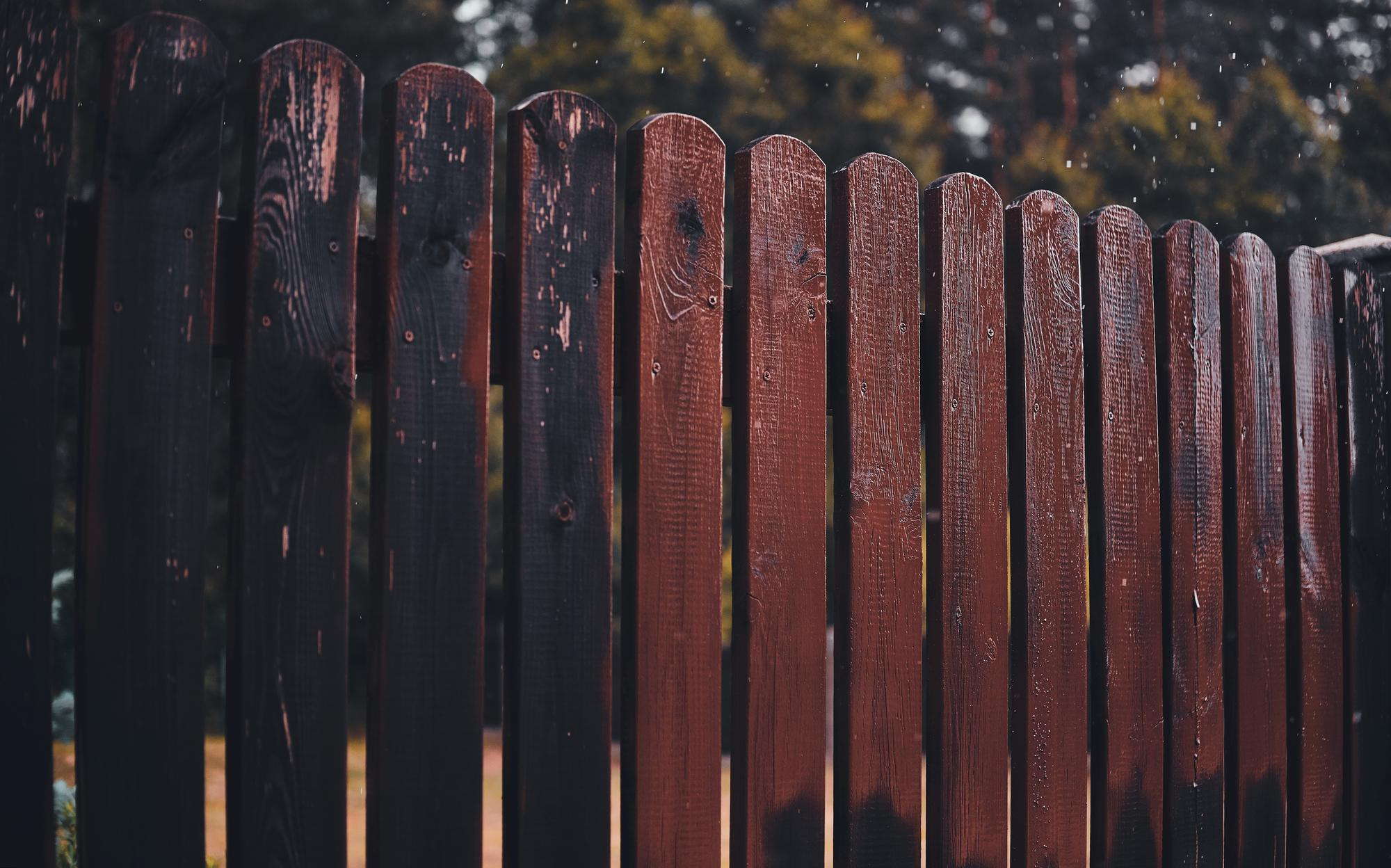
If you’ve ever stepped outside after a fresh rain and noticed your fence suddenly looks darker, dirtier, or uneven in color, you’re not imagining things. Rain has a unique way of exposing what’s really happening on the surface of your fence. What looked fine during dry weather can quickly reveal streaks, blotches, and hidden buildup once moisture enters the picture.
This effect is especially noticeable in early spring, when fences have spent months accumulating dirt, organic debris, and environmental residue. The rain doesn’t create these issues—it simply highlights them. Understanding why this happens can help you better maintain your fence and extend its lifespan.
How Moisture Reveals Hidden Surface Issues
Rainwater interacts with your fence in a way that changes how light reflects off its surface. Dry wood or vinyl can mask imperfections, but once wet, the material becomes more transparent or reflective, making flaws more visible.
Moisture darkens wood fibers and enhances contrast between clean and dirty areas. On vinyl, water can cling unevenly to contaminants like pollen, mildew, or dust, creating a patchy appearance.
Here’s what rain commonly reveals:
- Embedded dirt and grime that settled into porous wood grain over time
- Mildew or algae growth that thrives in damp, shaded areas
- Old sealant inconsistencies, where some areas repel water while others absorb it
- Runoff streaks caused by minerals or debris washing down from nearby surfaces
In early spring, this effect becomes even more pronounced. Winter often leaves behind a mix of residue, including dust, decomposed leaves, and airborne pollutants. When the first consistent rains arrive, they activate and expose all of it at once.
The Role of Wood Grain and Material Type
Not all fences react the same way to rain. The material plays a major role in how moisture is absorbed and displayed.
Wood Fences
Wood is naturally porous, meaning it absorbs water unevenly depending on its condition. The grain pattern—those visible lines and textures—can trap dirt and moisture differently across the surface.
- Softer areas of the grain absorb more water, appearing darker
- Harder grain lines may resist moisture, creating contrast
- Cracks or splits hold debris that becomes more visible when wet
If your wood fence hasn’t been sealed recently, the uneven absorption becomes even more obvious. Areas with worn sealant soak up water quickly, while protected sections repel it, leading to a blotchy appearance.
Vinyl Fences
Vinyl doesn’t absorb water, but that doesn’t mean it stays clean-looking after rain. Instead, moisture highlights what’s sitting on top of the surface.
- Thin layers of dust become streaky when wet
- Pollen and organic residue create visible patches
- Mildew forms dark spots, especially in shaded or humid areas
Unlike wood, vinyl issues are more about surface contamination than absorption. Still, the visual effect after rain can be just as dramatic.
Sealant Wear and What It Tells You
A properly sealed fence should repel water evenly. When rainwater beads up and rolls off consistently, it’s a sign that the protective coating is still doing its job.
However, if you notice irregular patterns after rain, your sealant may be wearing down.
Common signs include:
- Water soaking into certain sections while others stay dry
- Uneven darkening across boards or panels
- Persistent damp spots that take longer to dry
This isn’t just a cosmetic issue. Uneven moisture absorption can lead to long-term damage, including warping, cracking, or rot in wood fences. Rain is essentially giving you a preview of where your fence is most vulnerable.
Trapped Debris and Organic Buildup
Fences are constantly exposed to the environment, which means they collect more than just dust. Leaves, grass clippings, pollen, and even tiny insects can settle into crevices and along edges.
When it rains, these materials become saturated and more visible.
- Organic debris darkens as it absorbs water
- Fine particles spread and create muddy streaks
- Hidden buildup in corners or joints becomes easier to spot
This is why a fence can look relatively clean one day and noticeably dirty the next, simply because of rainfall.
Why Early Spring Makes It Worse
Spring is the perfect storm for this phenomenon. After months of winter exposure, your fence has likely accumulated layers of residue that haven’t been thoroughly cleaned.
At the same time, spring introduces:
- Increased moisture from frequent rain
- Pollen from trees and plants
- Warmer temperatures that encourage mildew growth
All of these factors combine to make your fence look worse after rain than it did during colder months. It’s not that the fence suddenly deteriorated—it’s that the conditions now reveal everything that’s been building up.
Cleaning Without Damaging the Surface
Once you’ve identified the issue, the next step is addressing it properly. Cleaning a fence isn’t just about making it look better; it’s about preserving the material.
Professional cleaning methods often focus on removing buildup while protecting the integrity of the surface. One commonly used approach is power washing, which can effectively lift dirt, mildew, and debris when done correctly.
However, technique matters. Too much pressure can damage wood fibers or strip protective coatings, while too little may not remove deeper contaminants.
That’s why many homeowners turn to Naperville IL home power washing services for siding and concrete when dealing with similar exterior cleaning challenges. While fences require slightly different handling than siding or concrete, the principle remains the same: controlled, professional cleaning can restore appearance without causing harm.
Preventing the Problem Moving Forward
Once your fence is clean, maintenance becomes much easier. The goal is to reduce buildup and keep moisture from highlighting new issues.
Here are a few practical steps:
- Apply or refresh sealant to ensure even water resistance
- Trim nearby plants to reduce shade and moisture retention
- Rinse the fence periodically to prevent buildup from accumulating
- Inspect after rain to catch early signs of wear or contamination
Regular attention helps you stay ahead of the problem rather than reacting to it each time it rains.
What Your Fence Is Telling You
When your fence looks worse after rain, it’s not just an aesthetic issue—it’s a signal. It’s showing you where dirt has accumulated, where protection has worn away, and where moisture is interacting unevenly with the surface.
Instead of ignoring it, use that information to guide your maintenance approach. A fence that looks clean and uniform when wet is usually in good condition. One that appears patchy or streaked is asking for attention.
Rain doesn’t damage your fence overnight. It simply reveals the story your fence has been telling all along.