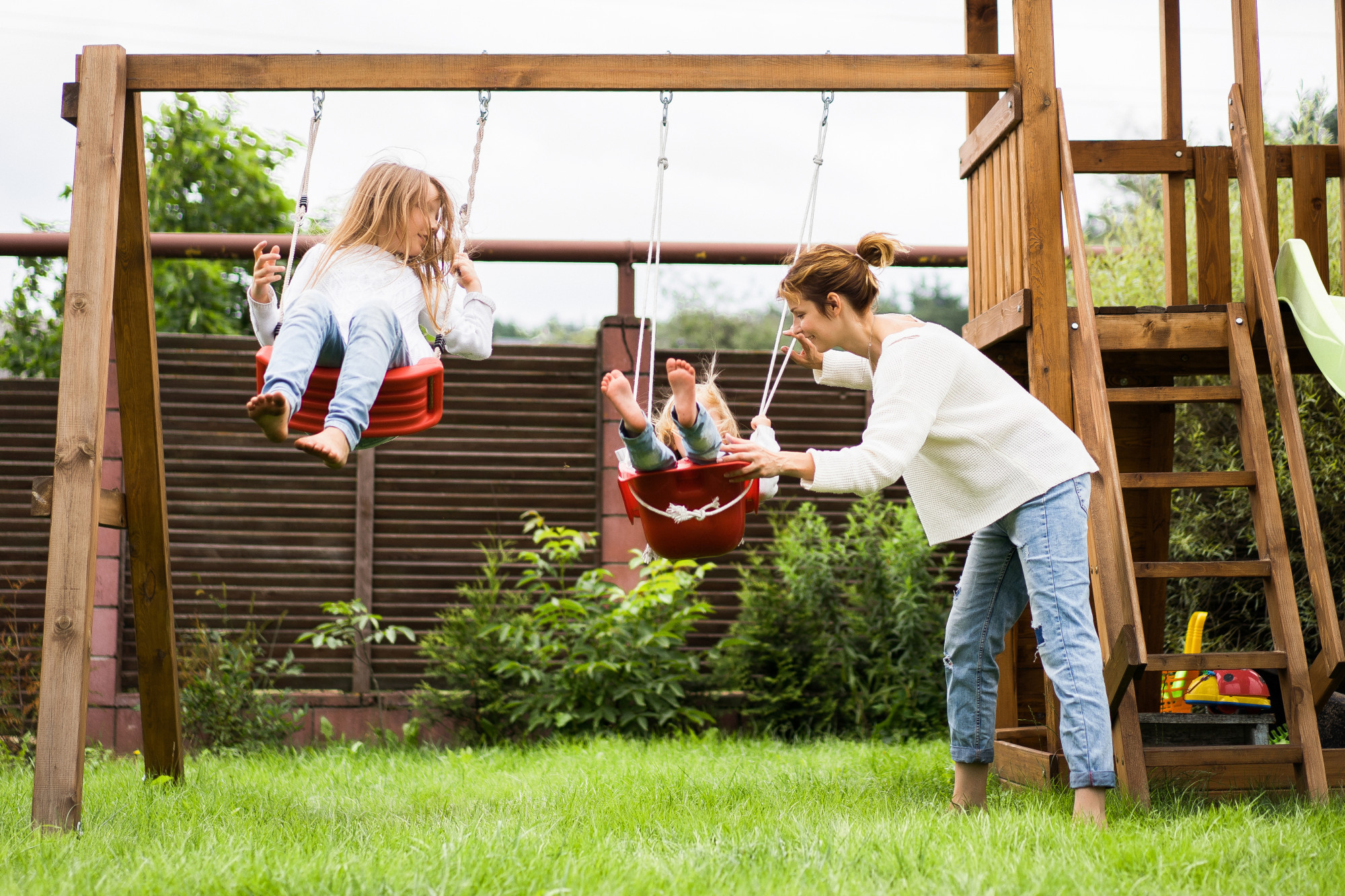
Every parent knows kids have an almost magical ability to turn anything — a cardboard box, a patch of dirt, a suspiciously wobbly lawn chair — into a full-blown adventure zone. That means you don’t need a giant budget or a total yard overhaul to create a backyard that encourages imagination, movement, and sensory play. With a few thoughtful upgrades, you can build a kid-friendly outdoor space that feels intentional, safe, and fun… without turning your yard into a permanent construction site.
Let’s explore how to design simple backyard zones that support creativity and comfort for kids of all ages.
Soft, Safe Ground: Creating a Play-Friendly Foundation
Why Grass Quality Matters for Kid Comfort and Safety
Before you think about play areas, toys, obstacle paths, or sensory setups, start with the basics: the ground. Soft, even grass makes a huge difference for how comfortable and safe your backyard feels. If your lawn is patchy, uneven, or filled with mystery holes that appear overnight (kids swear they didn’t make them), playtime becomes more stressful than it should be.
Quality grass helps prevent:
-
Slips during running games
-
Stubbed toes
-
Tough landings during tumbles
-
Splinters from exposed dirt or roots
Think of it like the padding under a playground — when the base is comfortable, everything else becomes safer.
Low-Maintenance Lawn Tips
You don’t need a golf-course-worthy landscape. Just a little consistency:
-
Water deeply but not too often
-
Mow regularly (but not too short)
-
Overseed patchy areas
-
Remove debris before it compacts the soil
If maintaining that “soft landing zone” feels overwhelming, families sometimes rely on lawn care Creve Coeur MO professionals to keep their grass healthy enough for frequent kid play.
Grass doesn’t have to be perfect. It just has to be friendly.
Sensory Play Zones: Engaging Curiosity and Creativity
Simple Sensory Bins and Tables
Kids love sensory play because it encourages exploration through touch, sound, and movement. Even better? You can set these up in minutes.
Fill bins or tables with:
-
Water
-
Sand
-
Rice or beans
-
Pinecones, rocks, leaves
-
Kinetic sand for extra magic
Sensory play supports fine motor skills, imaginative thinking, and cognitive development… and keeps kids occupied long enough for you to sip your coffee while it’s still warm.
DIY Mud Kitchens
A mud kitchen is basically the outdoor version of letting your kids “cook” indoors — except without the horrifying aftermath. Using old pallets, thrifted bowls, wooden spoons, and a little water, you can create a messy masterpiece-making station.
Kids love them because mud kitchens combine:
-
Creativity
-
Science
-
Sensory exploration
-
The joy of making delicious pretend “soups” for everyone
It’s messy, yes, but also one of the most developmentally rich play activities you can offer.
Nature Discovery Stations
Turn a small corner of your yard into a nature lab. It can be as simple as:
-
A basket of sticks and rocks
-
A magnifying glass
-
A notebook for sketches
-
Leaf identification cards
Kids get to explore the outdoors with curiosity, learning about textures, shapes, insects, and natural cycles. It’s hands-on science… minus the lab coats.
Shady Retreats and Cozy Reading Nooks
Pop-Up Shade Solutions
Kids don’t usually stop playing just because it’s hot, sunny, or the UV index is yelling at you. Creating shade helps everyone stay cool and encourages longer, safer outdoor time.
You can use:
-
Portable umbrellas
-
Shade sails
-
Pergola curtains
-
Clip-on canopy fabrics
Shade doesn’t need to be expensive — it just needs to create a place where kids can catch their breath.
Reading Corners That Feel Magical
A reading nook outdoors can feel like a secret clubhouse — peaceful, cozy, and just a little whimsical.
Try adding:
-
Outdoor rugs
-
Cushions
-
A hammock or low-hanging chair
-
Milk crates for book storage
Just be prepared for occasional comments like, “Mom, I think something crawled on me,” followed by dramatic page-flinging.
Encouraging Quiet Time Outdoors
A quiet zone helps balance high-energy areas. These spaces:
-
Encourage reading
-
Spark imagination
-
Allow kids to decompress
-
Offer shade and comfort
Even five minutes of outdoor calm can feel like a parenting victory.
Mini Obstacle Courses for Big Energy Moments
Safe, Scalable Equipment
You don’t need a giant swing set or climbing wall to build a fun obstacle course. Smaller, low-height pieces work well and reduce risk.
Ideas include:
-
Cones
-
Balance beams
-
Stepping stones
-
Tunnels
-
Jump ropes
Arrange them in different sequences to match your child’s skill level and interests.
Rotating Challenges to Keep Kids Interested
Kids love novelty. You can make new challenges by switching up:
-
Jump paths
-
Zig-zag courses
-
Agility ladders
-
Timed runs
Obstacle courses build coordination and confidence while burning off the energy that mysteriously appears right before bedtime.
Safety Considerations
A few rules to keep things safe:
-
Make sure the ground is even
-
Avoid placing challenging elements on slopes
-
Keep obstacles low and easy to climb
-
Offer clear boundaries
Kids can still have big adventures with small, thoughtful setups.
Imagination Zones: Spaces That Encourage Storytelling and Role Play
Forts, Teepees, and Simple Shelters
Kids love claiming territory. Creating a dedicated “clubhouse” spot helps channel that instinct in creative ways. You can use:
-
Fabric draped over a clothesline
-
A pop-up tent
-
A DIY cardboard fort
-
A lightweight teepee
It doesn’t have to be fancy — it just has to feel like a secret world.
Outdoor Art Stations
Set up a washable acrylic board, a chalkboard wall, or a simple easel outside. Include:
-
Chalk
-
Water-based paints
-
Brushes
-
Sponges
Art zones give kids room to express themselves without the “no painting on the couch” rule looming overhead.
Pretend Adventure Setups
Sometimes all a child needs is a theme to start an adventure.
Try:
-
Cardboard pirate ships
-
Fairy gardens
-
A tiny “construction site” with pebbles and trucks
-
Mini outdoor villages created with sticks and blocks
Kids make the magic — you just provide the props.
Parent-Friendly Touches to Keep the Yard Manageable
Storage Solutions for Toys
A yard full of toys feels chaotic fast. Add organization with:
-
Deck boxes
-
Lidded crates
-
Benches with built-in storage
-
Labeled bins
Easy storage = easier cleanup.
Zones That Change With the Seasons
Seasonal play is simple to rotate:
-
Summer: water tables, sprinklers
-
Fall: leaf piles, nature hunts
-
Spring: gardening
-
Winter (if mild): scavenger hunts or crafting stations
Changing zones keeps play fresh without extra cost.
Keep the Layout Flexible
Backyard life changes as kids grow. Choose pieces that:
-
Move easily
-
Have multiple uses
-
Don’t require permanent installation
This allows your backyard to evolve with your family.
If your family is currently changing shape after a separation, your kids will often split their time between your home and your ex-partner's home. If there are two homes involved, you might want to make plans to include a familiar play corner on both properties or in both yards. Adding sensory bins or pop-up tents can ease the transition, and it's the kind of detail divorce attorneys may ask about when custody arrangements are being worked out. Ultimately, you want to keep routines similar or the same in both places to minimize disruption, which can help show that you've made accommodations for the children.
Conclusion: Small Upgrades Create Big Backyard Memories
A kid-friendly backyard doesn’t require a contractor, a blueprint, or a weekend lost to digging post holes. Small, thoughtful zones — sensory areas, shady reading spots, safe obstacle courses, imagination zones, and soft grassy surfaces — create a world where creativity thrives and outdoor time feels easy and joyful.
Think of your backyard as a canvas. You don’t need to repaint the whole thing — just add a few meaningful strokes for play, comfort, and imagination. Over time, those small choices become the memories your family cherishes most.