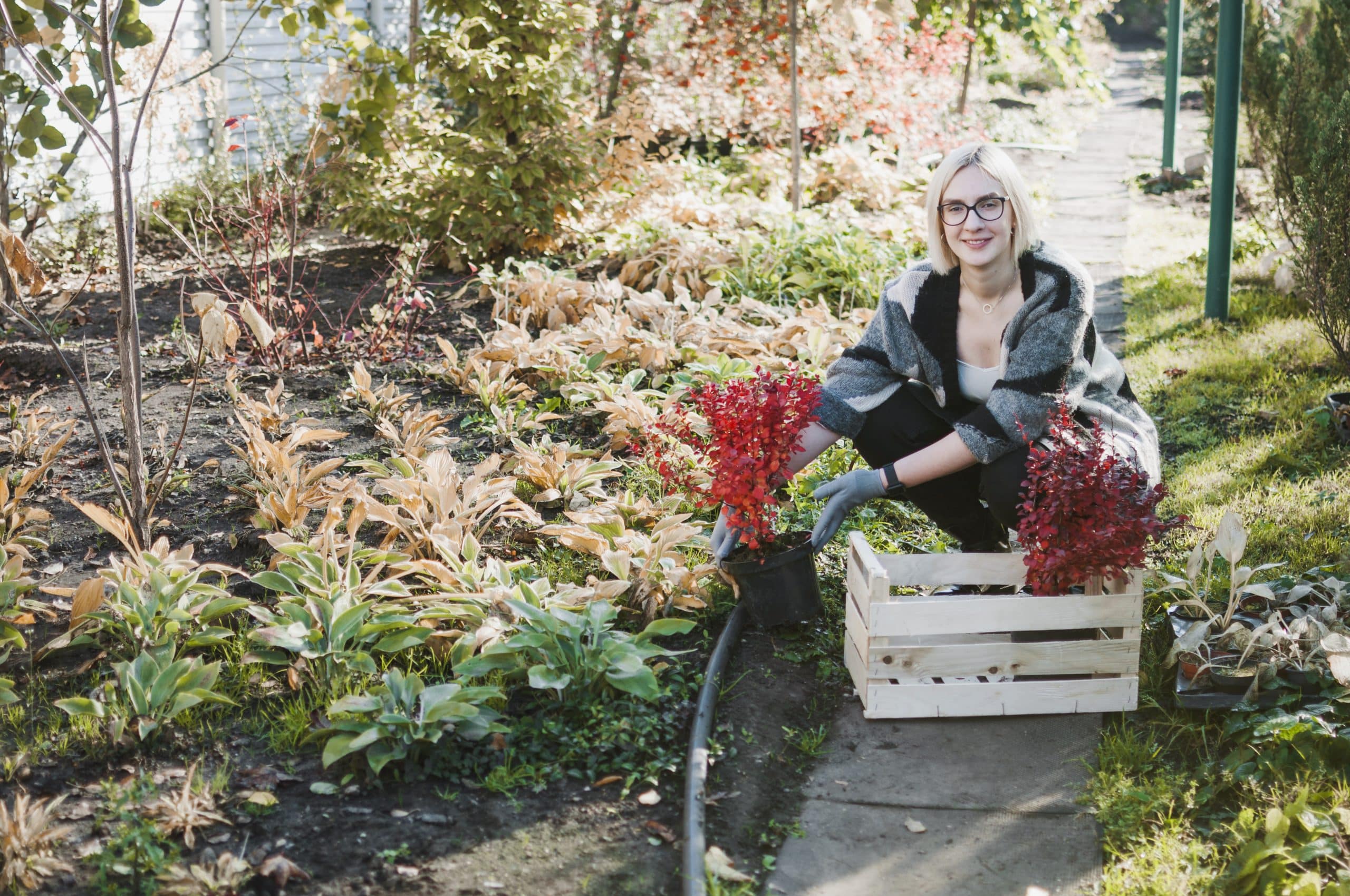
As summer winds down, gardeners begin to turn their attention to the cooler days ahead. Fall might not be the traditional time people think of for gardening, but it offers a unique opportunity to grow a wide range of vegetables, herbs, and flowers that thrive in lower temperatures. Whether you're a seasoned green thumb or just starting out, preparing for a fall garden can be both rewarding and productive. Here’s a comprehensive guide to help you get started and make the most of the fall growing season.
Why Garden in the Fall?
Fall vegetable gardening has many advantages. Cooler temperatures mean less stress on plants and less watering for you. Fewer insect pests are around to munch on your crops, and some vegetables even taste better when grown in cooler weather—carrots, for example, become sweeter after a light frost. Fall also offers a second chance for harvesting crops before winter sets in.
Assess Your Garden Space
Before you start planting, take a good look at your existing garden. Fall gardens still need at least 4–6 hours of direct sunlight per day, so plan accordingly.
Remove spent summer plants, clear out weeds, and take note of where you have open space and sunlight. Deadheading and Pruning: Remove spent flowers, foliage, and any diseased or damaged plant material. This prevents the spread of disease and encourages better airflow. Use clean, sharp pruning shears for clean cuts that heal quickly.
Composting Debris: Don't let fallen leaves and plant debris go to waste! Add them to your compost pile to create nutrient-rich soil for next year's garden.
Soil Preparation: Nourishing the Foundation
Soil Testing: Test your soil's pH level and nutrient content. This will help you identify any deficiencies and amend the soil accordingly. You can purchase a soil testing kit or send a sample to a local agricultural extension office.
Amending the Soil: Based on your soil test results, amend the soil with organic matter such as compost, well-rotted manure, or peat moss. This improves drainage, aeration, and nutrient retention.
Tilling or Turning: Loosen the soil by tilling or turning it over with a garden fork. This helps break up compacted soil and incorporates the amendments into the ground.
Know Your First Frost Date
One of the most important pieces of information for fall gardening is your area's average first frost date. This helps you determine how much time you have left in the growing season and which plants are appropriate to sow. Use this date to count backward and determine when to plant each crop.
Some plants need more time to mature before frost, while others can tolerate or even benefit from light freezes. For example, leafy greens like kale and spinach can continue producing well into the cold season, whereas beans and cucumbers need to be harvested before a hard frost.
Choose the Right Plants
Cool-season vegetables are the stars of the fall garden. These crops grow best when daytime temperatures are between 60–75°F and can often handle cooler nights.
Here are some popular choices for fall gardening:
Leafy Greens
- Lettuce – Fast-growing and tolerant of light frost.
- Spinach – Thrives in cool weather and becomes sweeter after frost.
- Kale – A hardy green that grows well into winter in many regions.
- Swiss Chard – Heat-tolerant and frost-hardy; great for bridging seasons.
Root Vegetables
- Carrots – Sow in late summer for sweet, crisp roots in fall.
- Beets – Quick to mature and tolerate cooler soil.
- Radishes – One of the fastest crops; ready in as little as 3–4 weeks.
- Turnips – Versatile and frost-tolerant; roots and greens are both edible.
Brassicas (Cabbage Family)
- Broccoli – Needs a bit more time to mature but thrives in fall conditions.
- Cauliflower – Sensitive to extreme cold but does well in early fall.
- Brussels Sprouts – Long growing season; best planted mid-summer for fall harvest.
Herbs
- Parsley – Withstands light frost and grows well into fall.
- Cilantro – Prefers cool weather and can bolt quickly in summer heat.
- Chives – Perennial herb that thrives in cooler temps.
If you want a pop of color in your fall garden, consider planting cool-season flowers such as pansies, violas, ornamental kale, and chrysanthemums. These can brighten up beds and containers well into the first frost.
Start Seeds or Transplants?
Depending on your time frame and the crop, you can either start seeds directly in the garden or purchase transplants from a nursery.
- Direct Seeding: Root crops like carrots and radishes do best when sown directly into the soil. Leafy greens also respond well to direct seeding.
- Transplants: For crops like broccoli and cauliflower that require a longer growing season, buying young plants can save you time and improve your chances of harvesting before frost.
If starting from seed, consider beginning indoors or in a shaded spot to protect young seedlings from hot summer sun before transplanting into the garden.
Watering and Maintenance
Although fall tends to bring cooler temperatures, consistent watering is still crucial, especially in the early weeks after planting. Keep the soil moist, not soggy, and be mindful of how quickly soil can dry out in warm, early-fall days.
As plants become established and temperatures drop, watering needs may decrease. Early morning watering is best to prevent fungal diseases that can develop in cooler, damp conditions.
Watch for pests like aphids and cabbage worms, which can still be active in early fall. Use floating row covers to protect young plants and inspect foliage regularly.
Extend the Season
Want to harvest even later into the year? Consider using season extenders:
- Row Covers: Lightweight fabric protects plants from light frost and pests.
- Cold Frames: Miniature greenhouses that trap heat and extend growing time.
- Mulch: A thick layer of mulch around the base of hardy vegetables can insulate roots from sudden cold snaps.
With the right planning and a few simple tools, you can enjoy fresh greens and root vegetables well past your area’s first frost.
Final Thoughts
Fall gardening is a satisfying way to continue enjoying homegrown produce and flowers after the heat of summer has passed. With a bit of preparation, thoughtful plant selection, and proper timing, you can fill your garden beds with productive, flavorful crops that thrive in cool temperatures.
So don’t hang up your garden gloves just yet—fall is the perfect time to dig in and discover the quiet rewards of autumn gardening. Whether you're growing leafy greens, vibrant root vegetables, or hardy herbs, your fall garden can be just as bountiful and beautiful as any spring or summer plot.
Happy planting!