So you’ve got a garden plot. Maybe it’s a corner of your backyard. Maybe it’s a little rental patch in a community garden. Either way, it’s overrun. Weeds everywhere. Fallen branches from the last storm. Maybe even a few stumps or roots left over from whoever had it before you.
It looks like a mess right now, but it doesn’t have to stay that way.
With a few essential gardening tools, not the gimmicky stuff but real tools that actually work, you can clean things up fast, prep your soil for planting, and turn that mess into something productive.
Let’s break it down, step by step.
Step 1: Clear the Surface Without Wasting Time
You don’t need to spend your weekend hauling piles of sticks or stuffing yard bags until your hands cramp. The goal here is speed. You want to clear the surface, not babysit it.
That’s where the right tool makes all the difference.
Use a Wood Chipper to Turn Debris Into Mulch
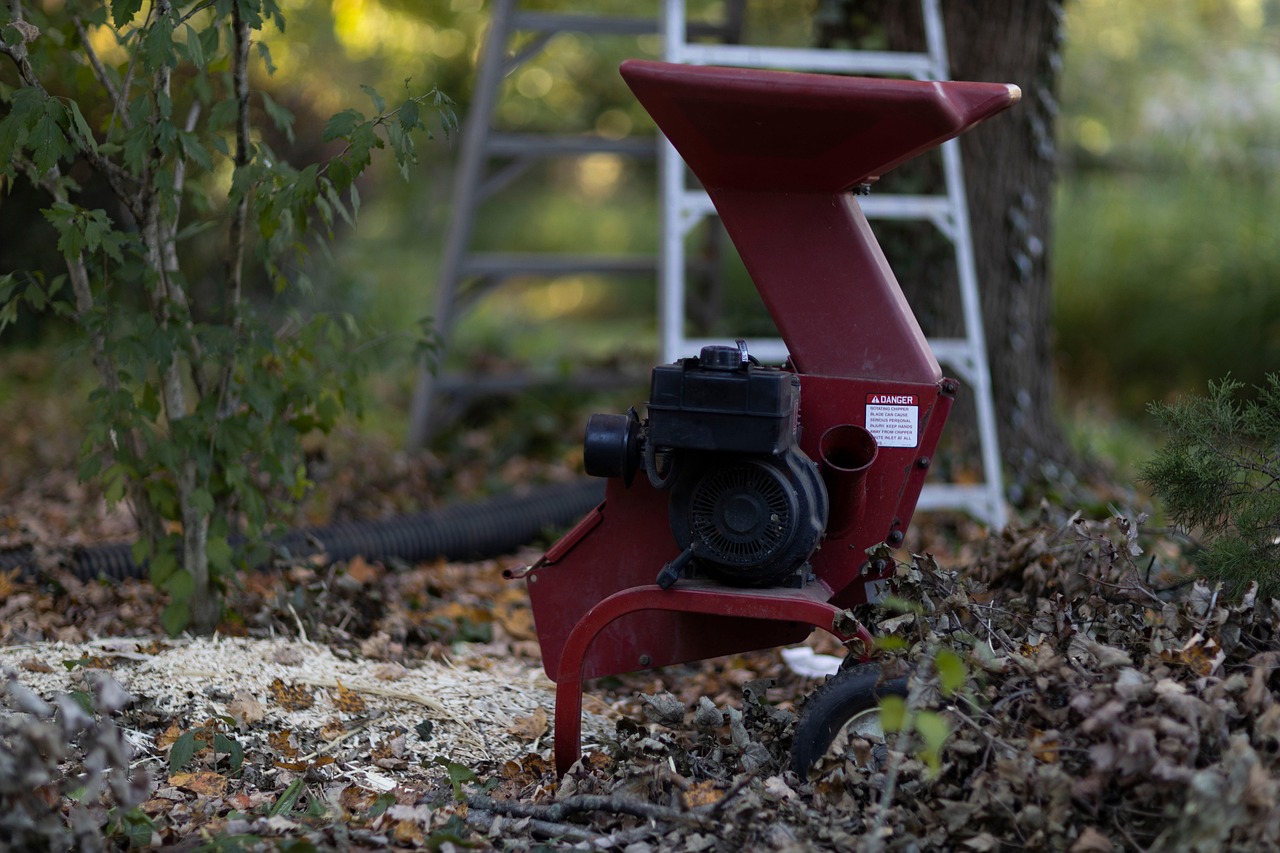
If your garden is full of twigs, light brush, or small branches, a small wood chipper for sale debris is your best friend. Instead of dragging everything to the curb or lighting a fire, you feed it through the chipper and get something useful back.
Mulch.
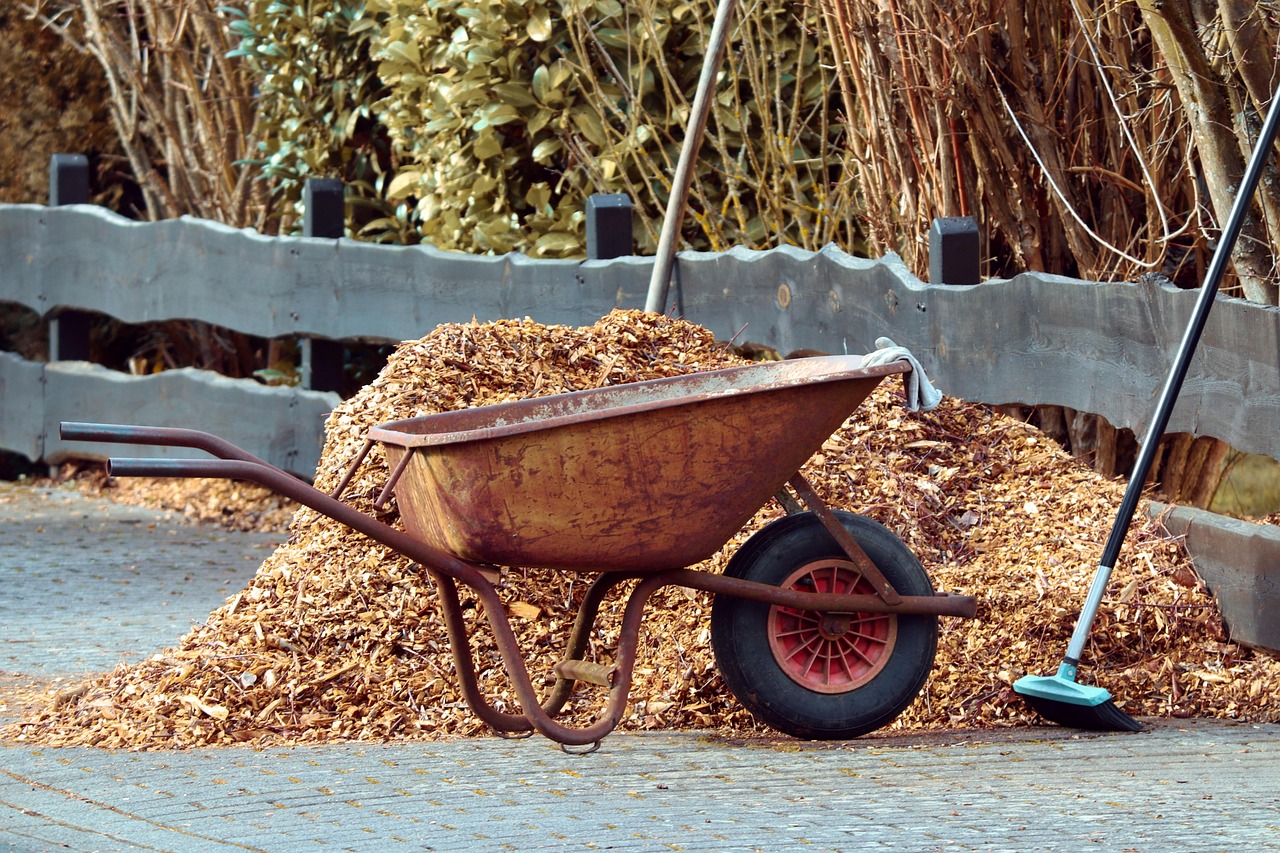
And not just any mulch. Fresh wood chips that actually help control weeds and keep moisture in the soil. You can spread them between rows or use them around the edges of your garden to keep grass from creeping back in.
If you're working in a small backyard or using a community garden plot, this is especially helpful. You don’t need a giant machine. A compact, electric chipper is quiet, efficient, and easy to store. It’s one of the best tools for gardening if you want fast results with minimal hassle.
Clearing your plot doesn’t have to take all day. With the right tools to remove garden debris, you can reclaim an overgrown garden in a single afternoon. Then you can start focusing on the fun part.
Step 2: Deal With Bigger Branches and Leftover Logs
Once the brush is gone, you’ll probably find thicker limbs or logs hiding underneath. These are too big for a chipper, but still too useful to waste. And hauling them off? Not fun. Burning them? Not always allowed, especially in city areas.
Here’s a better option.
Use a Compact Log Splitter Instead of Burning or Hauling
This is where an electric log splitter for sale comes in. If you’ve got logs a few inches thick, it’s the fastest, safest way to deal with them. You just load them in, hit the switch, and it splits them clean down the middle.
No swinging axes. No sore shoulders. No sketchy chainsaw work.
Split logs can be reused as garden borders, edging for raised beds, or even as firewood if you’ve got a stove. It’s way more useful than sending it to the landfill. Plus, for homeowners or hobby gardeners who deal with storm damage regularly, this kind of DIY garden prep tool pays for itself fast.
These aren’t giant commercial machines either. Most models are small enough to fit in a garage or shed and easy to move around the yard.
It’s one of those essential gardening tools that saves you time now and gives you materials you can reuse later.
Step 3: Reclaim Space From Old Roots and Stumps
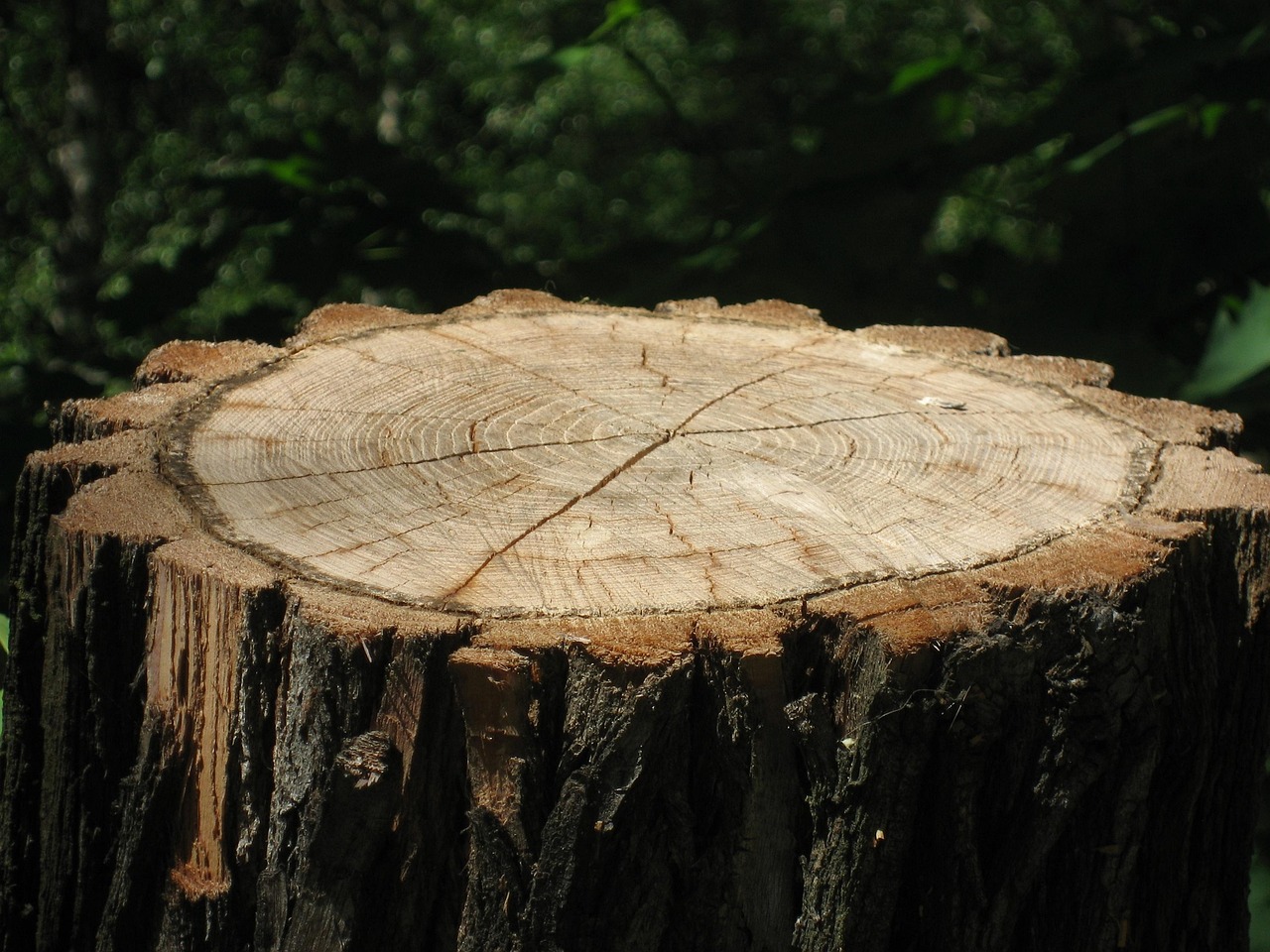
So you’ve cleared the surface. The brush is gone, the big logs are dealt with. But underneath it all, there’s still stuff in the way. Tough roots. Maybe an old stump. Maybe just a dead patch where nothing wants to grow.
Don’t ignore it. If you want your garden to thrive, you’ve got to start clean. That means going below the surface.
Use a Stump Grinder for Shallow Roots or Dead Spots
This is where a residential stump grinder really earns its keep.
You don’t need a massive commercial machine. If the roots are shallow or the stumps are small, a compact grinder will do the job just fine. It chews through the wood fast, breaks it down below soil level, and leaves you with a flat, workable space.
That’s huge if you’re trying to reclaim an overgrown garden. You don’t want dead zones where nothing grows. You want usable space from edge to edge.
If you’re working a rented garden plot, this is also one of the most effective tools for cleaning a rented garden plot without breaking your back. It’s faster than digging. It’s cleaner than chopping. And once you’re done, you’re ready to plant.
Don’t let stubborn roots or old stumps steal space from your garden. Grind them down and take it back.
Step 4: Prep Your Soil and Plan Smart Garden Zones
Now comes the part that actually sets your garden up to succeed. Good cleanup is half the job. The other half? Giving your soil the attention it needs before you plant anything.
Loosen, Feed, and Lay Out Your Garden Efficiently
If you want strong plants, you need loose, healthy soil. That means breaking it up, mixing in compost if you’ve got it, and leveling out your space so water drains the right way.
There are a lot of soil preparation tools out there, but keep it simple. A manual broadfork or powered cultivator will do the trick, depending on how big your plot is and how hard the ground feels. If you’re just getting started, these are solid garden tools for beginners that actually make a difference.
You can reuse chipped branches or log borders to section off areas and create paths between zones. This makes planting more organized and helps keep weeds down later. It also gives you a clearer idea of where you’ll want herbs, veggies, or flowers to go.
If you're working with heavy clay or dry patches, consider mixing in some of that mulch from wood chips you made earlier. It’ll help with water retention and break down over time to feed the soil.
This is the part where your garden starts to take shape. All the work from earlier finally starts to feel worth it.
Bonus: Reuse What You Clear to Save Time and Money
Here’s something most people don’t think about. When you clean up a garden, you’re not just removing waste. You’re creating useful material. You can actually reuse garden waste for mulch, soil cover, or even structural parts of your layout.
Those wood chips from your chipper? Use them to lock in moisture and suppress weeds between rows. That’s one of the easiest ways to improve your garden without buying extra stuff. If you’re into composting yard waste, the finer chips break down faster and mix well with grass clippings and leaves.
Got split logs that are too short for firewood? Use them as borders. Or stack them at the edges to make a rustic raised bed. They’ll hold soil, block weeds, and slowly break down to enrich the dirt underneath.
The key is thinking ahead. With the best tools for gardening, cleanup and prep don’t just clear the space. They give you free materials to build it right back up.
FAQs: Essential Garden Cleanup Tools
What’s the best way to handle thick brush and limbs?
Start with a small garden cleanup tool like a wood chipper. It takes care of brush, twigs, and limbs up to a few inches thick without a problem. If the branches are too big to chip, that’s when a log splitter steps in. You don’t need to burn anything or haul it out. Just break it down and reuse it.
This is especially helpful when figuring out how to get rid of weeds and roots fast without wrecking the soil.
Can a log splitter really help with garden prep?
Absolutely. If you’re clearing space and come across thick limbs or leftover firewood, a compact log splitter for home use is one of the smartest ways to handle it. You can turn big pieces into usable borders or bed frames. It saves you from hauling, chopping, or wasting good material.
People often overlook this when asking what tools do I need to clear an overgrown plot, but it’s a major time-saver.
Are stump grinders safe for small yard work?
They are, as long as you pick the right model. A stump grinder for garden roots is usually smaller, lighter, and easier to control than the big ones landscapers use. If you’re tackling shallow roots or soft stumps in a backyard garden cleanup, it’s a safe, efficient choice.
Just take your time, wear gear, and work on dry ground. It’s easier than digging and way cleaner than chopping.
Final Thoughts: Less Work, More Garden
It doesn’t take a ton of money or a professional crew to reclaim an overgrown garden. What it takes is the right approach and the right tools. Clean the surface, deal with the tough stuff underneath, prep your soil, and reuse what you can.
Whether you're starting fresh or just taking back a neglected space, these essential gardening tools make it faster, easier, and way more rewarding.
Start small. Work smart. And make your garden something you're proud of.