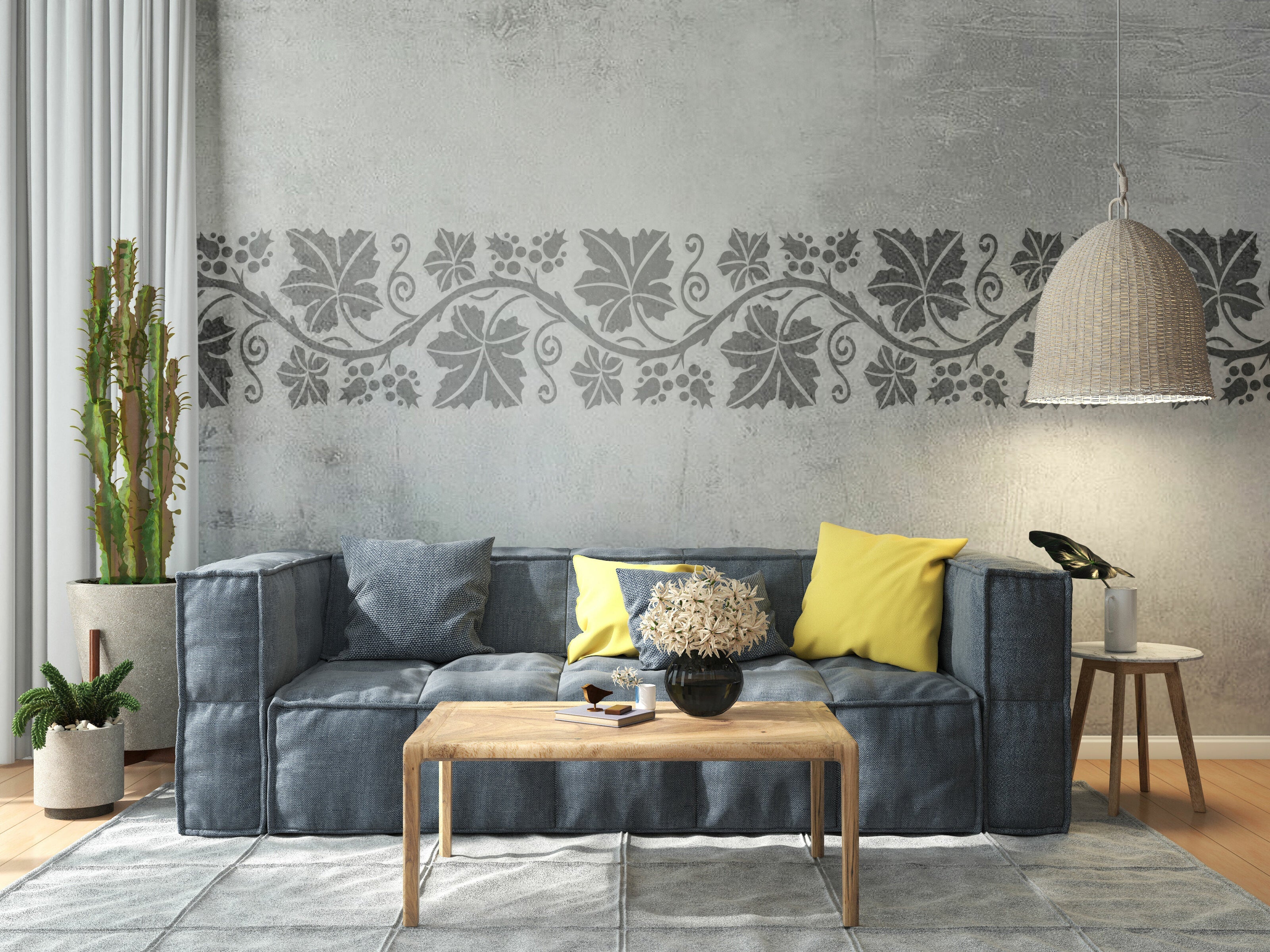
The contemporary approach to interior design is experiencing a structural migration away from generic surface treatments. For decades, residential and commercial interiors relied heavily on flat wall paints and mass-produced wallpapers—products engineered for easy application rather than lasting character or acoustic depth. Today, architects and interior designers are prioritizing tactile, three-dimensional surfaces that interact dynamically with light and shadow. In this evolving architectural landscape, DFA Decor stands as a pioneer, offering architectural tools that bridge historic plastering techniques with flexible, modern engineering.
Understanding this shift requires examining how modern wall treatments are produced and deployed. By refining traditional craftsmanship and introducing innovative material formulations, specialized producers empower designers to execute complex wall texture projects with unprecedented precision. Rather than treating surfaces as mere background boundaries, the contemporary studio treats every wall as an installation-ready accent capable of elevating the overall spatial dynamics of both boutique spaces and large-scale commercial interior environments.
The Structural Evolution: Why Surface Tactility Matters
The resurgence of dimensional surface design is fundamentally tied to the principles of slow architecture and material authenticity. Traditional decorative plaster application was historically reserved for master artisans who spent years mastering hand-troweled finishes. Today's commercial timelines often make traditional plastering methods impractical, creating a gap between artistic vision and execution speed.
Industrial Wallpaper vs. Custom Architectural Solutions
- Material Integrity & Structural Depth: While mass-market wallpapers rely on printed, flat illusions of depth, true decorative plaster and volumetric overlays physically interact with structural light, creating authentic shadow interplay across the surface.
- Precision Tooling: Utilizing high-durability reusable wall stencils and ergonomic decorative plaster tools allows artisans to maintain structural consistency across extensive square footage without sacrificing the organic touch of hand finish.
- Spatial Durability: Standard wallpapers degrade quickly under commercial traffic and moisture. Advanced architectural stencils and specialized plaster compounds create resilient surfaces built for long-term commercial interior environments.
Engineering the Surface: Product Range Overview
When dissecting the modern studio lineup, several distinct tool classes and decorative elements emerge as core foundations for architectural transformation. Designers are no longer restricted to standardized solutions; they work with versatile product ecosystems that adapt to custom geometries.
- High-Precision Reusable Stencils: At the core of efficient wall detailing is the engineering of durable, reusable stencil systems. Engineered from flexible yet rigid polymers, these stencils allow plasterers to apply uniform volumetric patterns, geometric reliefs, and organic motifs across large expanses. Unlike single-use vinyl templates, a professional-grade stencil withstands repeated troweling, chemical washdowns, and heavy micro-cement applications.
- Ergonomic Decorative Plaster Tools & Embossing Solutions: Creating nuanced grain, faux stone, or linear relief requires specialized hand tools. Precision-engineered trowels, textured rollers, and specialized embossing tool kits enable trade professionals to shape wet plaster with absolute control.
- Geometric Accents & Integrated Mirror Strips: To accentuate volumetric plastering, contemporary designs frequently integrate rigid geometric accents. Incorporating a sleek mirror strip or metallic inlay within a textured plaster wall introduces linear reflections that visually expand rooms and break up dense wall textures with refined, modern highlights.
- Modular Systems & Custom Architectural Wall Solutions: For complex projects demanding tailored geometries, a versatile modular system enables designers to compose panelized wall accents seamlessly. These panel frameworks allow contractors to assemble intricate multi-dimensional surfaces on-site rapidly, transforming raw walls into tailored, high-end custom wall decor solutions.
Founding Heritage: Supporting Ukrainian Craftsmanship
Behind the technical precision of DFA Decor lies a profound commitment to heritage, resilience, and local craftsmanship. Originating in Ukraine, the brand was established by master decorators and designers who sought to preserve the nation's rich tradition of artistic plastering and decorative arts while adapting them for the global market.
In an industry increasingly dominated by automated mass manufacturing, the company maintains a dedicated operational framework that actively supports Ukrainian artisans and trade specialists. Every design template, tool prototype, and custom architectural solution is conceived and crafted in collaboration with local craftsmen. By merging traditional knowledge of material behaviors with modern CNC precision cutting and polymer engineering, the brand provides sustainable livelihood and creative empowerment to skilled Ukrainian craftspeople. This synthesis of ancestral mastery and cutting-edge design ensures that every piece carries the dedication, narrative, and authenticity required for world-class architectural projects.