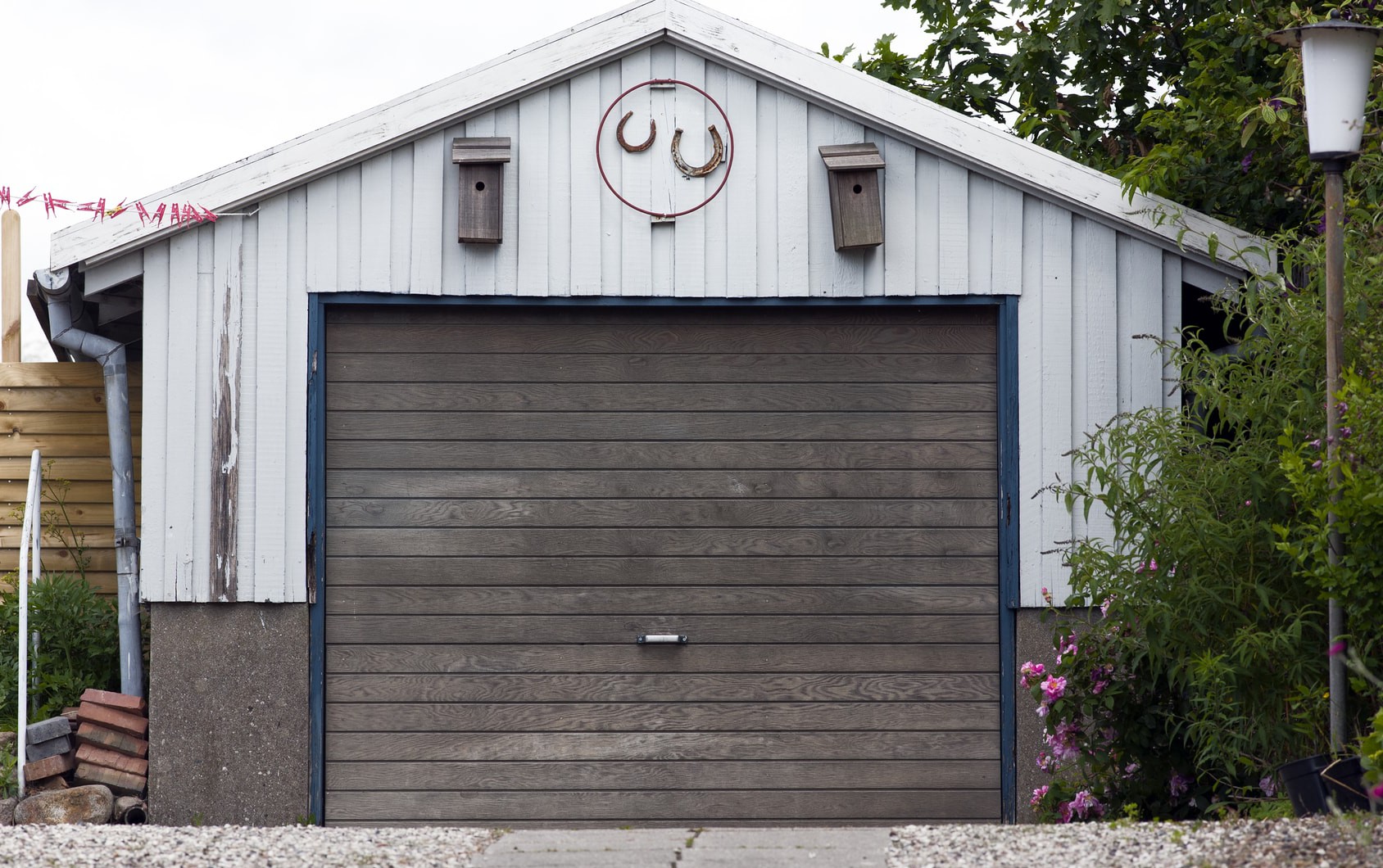
A garage door is one of those parts of a house that most people barely think about until it stops working. Then, suddenly, it becomes the most important mechanical system you own. That usually happens at 7:12 in the morning, when you are already running late, the car is inside the garage, and the door has decided it would rather remain closed for the foreseeable future.
Denver homeowners have a few extra reasons to pay attention to their garage doors. Colorado weather can be rough on moving parts. Cold winter mornings, sudden temperature swings, snow, dry air, strong sunshine, wind, and the occasional hailstorm all put stress on the door, hardware, seals, and opener.
The good news is that many garage door problems give you warning signs before they become full-blown failures.
Knowing what to look for can save you money, inconvenience, and possibly a morning spent wondering whether your sedan will fit through the kitchen.
Garage doors are built to handle outdoor conditions, but Denver's climate makes them work harder than homeowners might realize. A garage door is not just one big panel moving up and down. It is a system of springs, cables, rollers, hinges, tracks, seals, sensors, and an electric opener. All of those parts have to work together every time you press the button.
Denver can experience large temperature changes over relatively short periods. Metal reacts to those changes. It expands slightly when it gets warmer and contracts when it gets colder. One temperature swing is not going to destroy your garage door. The issue is repetition.
Think about bending a paper clip back and forth. The first few bends seem harmless. Keep going, though, and eventually the metal weakens. Garage door components experience a much slower version of the same process.
Springs, hinges, tracks, fasteners, and other metal parts go through thousands of operating cycles while also being exposed to changing temperatures. Over time, that combination can contribute to wear. Cold weather can also make lubricants thicker, seals harder, and already-worn components less forgiving.
Snow piled against the bottom of a garage door can melt during the day and freeze again later. That can leave the bottom seal stuck to the driveway. If the opener tries to lift a door that is frozen to the ground, it has to fight resistance the system was never designed to overcome. Depending on the situation, the door may not move, the opener may reverse, or another component may become stressed.
If the door appears frozen, do not repeatedly hit the opener button and hope determination will solve the problem. Clear away the snow and ice first.
Moisture can also contribute to corrosion on exposed hardware over time, particularly if protective finishes have been damaged. Denver receives plenty of intense sunshine, which is great if you enjoy being outdoors. Your garage door's finish may be less enthusiastic.
Strong ultraviolet exposure can contribute to fading, deterioration of some finishes, and aging of rubber or vinyl weather seals. Then there is hail. A severe hailstorm can leave noticeable dents in garage door panels. Some damage is primarily cosmetic, but larger dents can affect how sections move, seal, or align. After a major storm, it is worth taking a few minutes to inspect the door rather than assuming every dent is harmless.
Garage doors usually do not wake up one morning and decide to retire without warning. They often complain first. Unfortunately, homeowners are very good at ignoring those complaints.
Here are seven signs worth paying attention to:
-
The door has become noticeably louder. Grinding, scraping, squealing, or popping sounds can indicate worn rollers, loose hardware, dry moving parts, or another mechanical issue.
-
The door hesitates before moving. A delay can point to an opener problem, sensor issue, resistance in the door mechanism, or another component beginning to fail.
-
One side appears lower than the other. A crooked door may indicate cable, spring, roller, or track problems.
-
The door shakes or jerks as it moves. Smooth movement is normal. Violent shuddering is not.
-
You can see daylight around the edges. Worn seals allow outside air, dust, water, and pests into the garage.
-
The opener works inconsistently. If the door sometimes responds and sometimes does not, start with simple things like remote batteries and sensor alignment, but do not ignore a recurring problem.
-
The door reverses unexpectedly. Safety sensors can cause this, but so can resistance or mechanical problems.
Some issues are easy for homeowners to check themselves. Others are not. If the door is crooked, a spring is broken, a cable has become loose, or the door has come off its track, repeatedly operating it can make the situation worse.
Homeowners searching for garage door repair Denver services should consider having the complete door system inspected when a mechanical problem keeps returning. Sometimes the obvious symptom is only one piece of the problem. You do not need to turn garage door maintenance into a new hobby. A few quick checks throughout the year can catch problems early.
Winter can be hard on seals and moving components. When temperatures begin to warm:
-
Inspect the bottom seal for cracking or tearing.
-
Check perimeter weather stripping.
-
Look for visible corrosion or damaged hardware.
-
Clean dirt and debris around the tracks.
-
Test the safety sensors.
-
Listen to the door while it moves.
Spring is also a good time to look for anything that loosened or shifted during winter.
During summer, pay attention to heat and sunlight. Check exterior finishes for fading, peeling, or other deterioration. Look at rubber and vinyl seals for brittleness. Listen for squeaks or dry-sounding movement.
If your door manufacturer recommends lubrication, use the appropriate product on the specified components. More lubricant is not automatically better. Drowning the entire garage door mechanism in whatever spray can you find on the workbench is not a maintenance strategy.
Fall is the time to prepare for another Colorado winter. Check:
-
Weather stripping
-
Bottom seals
-
Insulation
-
Door balance
-
Safety sensors
-
Opener operation
Make sure the garage door closes fully and seals reasonably well along the edges. If cold air can freely enter through obvious gaps in October, January is unlikely to improve the situation. Keep snow and ice away from the bottom of the door.
If the door seems stuck, inspect the threshold before using the opener again. Pay attention to unusual noises or slower movement during very cold periods. A change in behavior does not always mean something is broken, but it is worth investigating.
There are plenty of basic garage door tasks a homeowner can handle safely. There are also jobs where the DIY instinct should probably take the afternoon off.
Most homeowners can reasonably handle tasks such as:
-
Cleaning debris from around the tracks
-
Replacing remote-control batteries
-
Cleaning photo-eye sensors
-
Inspecting weather stripping
-
Checking for obvious loose hardware
-
Looking for damaged rollers
-
Inspecting cables visually without touching or adjusting them
-
Lubricating approved components according to the manufacturer's recommendations
A regular visual inspection can be surprisingly valuable. You are looking for changes.
Does something look crooked?
Is a cable fraying?
Is a roller wobbling?
Is a bracket pulling away from the wall?
Has the door suddenly started making a noise it did not make a month ago?
Those clues matter.
Some garage door components store significant energy. Springs are the best example. The springs help counterbalance the weight of the door. That makes a heavy garage door relatively easy for the opener to move. But the energy stored in those springs can make improper adjustment dangerous.
Professional help is usually the better choice for:
-
Torsion spring replacement
-
Extension spring replacement
-
Cable replacement
-
Major track realignment
-
Door balancing
-
Off-track doors
-
Significant panel damage
-
Complex opener repairs
There is a difference between tightening a loose bolt and working on a tensioned spring system. Knowing where that line is can prevent a minor repair from becoming a much more serious problem.
Not every damaged garage door needs to be replaced. Sometimes a repair is clearly the sensible choice. Other times, continuing to repair an aging door starts to feel like keeping a 30-year-old refrigerator alive one compressor at a time.
A repair may be the better option if:
-
One component has failed.
-
The panels are still structurally sound.
-
The tracks are in good condition.
-
The door still seals reasonably well.
-
The opener is functioning properly.
-
The system has not required repeated repairs.
Replacing rollers, sensors, seals, or another individual component can be much more economical than replacing the entire system.
Consider replacement when:
-
Several major components are worn.
-
Panels have extensive hail or impact damage.
-
The door is badly rusted or warped.
-
Insulation is poor.
-
Replacement parts are difficult to obtain.
-
Repairs have become frequent.
-
The door no longer fits the appearance of the home.
Do not look only at today's repair bill. Think about the next five or ten years. A cheaper repair can become expensive if it is followed by three more repairs in quick succession.
Garage door insulation is easy to overlook, particularly when the garage itself is not heated. But attached garages can affect nearby living spaces. If a bedroom sits above the garage or a kitchen shares a wall with it, temperature changes inside the garage can influence the comfort of those rooms. An insulated garage door can help moderate those swings.
R-value is one measurement commonly used to describe insulation performance, but insulation alone is not enough. Seals matter too. Think of it like buying a high-quality winter coat and leaving the zipper open. The coat may contain excellent insulation, but the giant opening down the middle is still going to make you cold. The same idea applies to a garage door.
Check:
-
Bottom seals
-
Side weather stripping
-
Top seals
-
Gaps between door sections
-
Areas where daylight is visible
Good insulation and good sealing work together. A garage door can occupy a surprisingly large percentage of the front of a house. That means an outdated, faded, dented, or mismatched door has a bigger visual impact than many homeowners realize.
Changing the garage door can dramatically change the appearance of the house without touching the roof, siding, windows, or landscaping.
Popular styles include:
-
Traditional raised-panel steel doors
-
Carriage-house designs
-
Contemporary flush-panel doors
-
Wood-look finishes
-
Modern glass and aluminum doors
The right choice depends on the architecture of the house. A sleek glass-and-aluminum door may look fantastic on a modern home. On a traditional brick house, it may look like the garage wandered over from another neighborhood. Pay attention to siding, trim, masonry, roof colors, and the overall style of the home. Some problems deserve professional attention sooner rather than later.
Call for help if:
-
A spring breaks.
-
A cable becomes loose or frayed.
-
The door comes off the track.
-
The door becomes visibly crooked.
-
The opener strains but cannot lift the door.
-
The door falls or closes unexpectedly.
-
Multiple repairs keep occurring.
When comparing service companies, look beyond the first price you see. Consider local experience, repair capabilities, replacement options, warranties, reputation, and whether the company understands the effects Colorado weather can have on garage door systems.
Local providers such as Overhead Door Denver work with Denver-area homeowners on garage door repair, installation, opener issues, and maintenance. Using a company familiar with Front Range weather can be useful because local conditions often influence both product selection and long-term maintenance.
A good technician should also be able to explain what is wrong in plain English. You should not need a mechanical engineering degree to understand why your garage door needs a new spring. Most homeowners will never become garage door experts. They do not need to. The goal is simply to notice changes before a small issue becomes a major one.
Listen to the door. Watch how it moves. Inspect the seals. Pay attention after hailstorms and cold snaps. Keep snow and ice away from the threshold.
And when something looks unsafe, resist the urge to fix it with brute force, a ladder, and a 14-minute YouTube video. Garage doors are remarkably reliable considering how often they move and how much weight they handle.
Give yours a little attention throughout the year, and it is far more likely to keep doing its job quietly in the background. Which is exactly where most of us prefer our garage doors to stay.