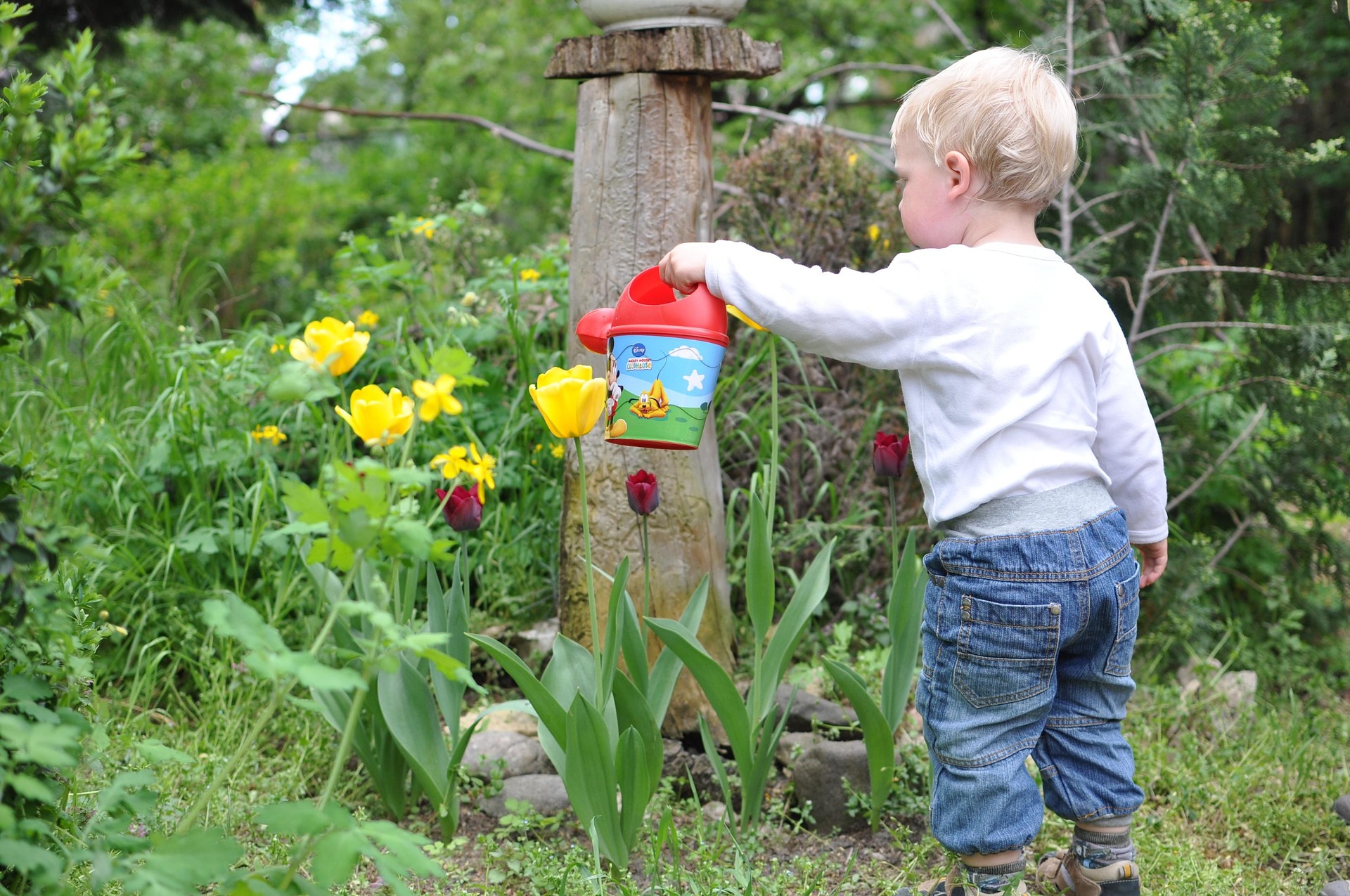
What Do We Mean by a Calming Garden?
A calming garden is more than a collection of plants—it’s an outdoor environment designed to support children’s emotional and mental well-being. By providing sensory variety, natural beauty, and opportunities for responsibility, a garden becomes a space where children can relax, build confidence, and learn life lessons that go far beyond planting seeds.
Why Nature Matters for Children’s Well-Being
Spending time outside has powerful benefits for children. The act of planting, watering, and digging helps them focus, reduce stress, and connect with the world around them. Even the soil itself contains beneficial microbes that can improve mood and concentration.
In a garden, children experience joy when a seed sprouts, disappointment when it fails, and pride when they see a plant bloom. These simple experiences help them process emotions in healthy, natural ways.
Designing Spaces That Encourage Calm
When we think about creating a child-friendly garden, it helps to focus on balance—giving children places to play, explore, and also unwind. A few simple ideas include:
-
Soft sensory zones: grass, pebbles, and fragrant herbs invite touch and smell.
-
Quiet nooks: alcoves framed by shrubs or trellises make cozy spaces for reflection.
-
Interactive pathways: stepping stones and raised beds encourage exploration.
-
Shaded areas: trees or pergolas provide comfort and safety.
-
Soothing scents: lavender, mint, and chamomile promote calm and relaxation.
With these elements, the garden feels less like a yard and more like a retreat where children can recharge.
Learning About Emotions Through Gardening
Gardening brings out a full range of emotions:
-
Happiness when plants thrive.
-
Frustration when pests cause damage.
-
Sadness when something wilts.
-
Satisfaction when care pays off at harvest time.
These moments, both joyful and challenging, teach patience and resilience. They also encourage empathy. Children see that just like plants, people grow in their own ways. This outlook helps them show respect and kindness toward others—including peers who may face unique challenges that affect self-confidence. The garden becomes a gentle teacher of acceptance, reminding children that everyone has their own strengths and ways of flourishing.
Building Responsibility and Cooperation
Gardening also helps children understand responsibility in a very real way. They learn that daily tasks like watering or weeding directly affect whether a plant survives. Over time, these habits encourage patience, discipline, and focus.
Shared gardens strengthen friendships, too. Working together to plant, care for, and harvest teaches cooperation, communication, and pride in shared success. Instead of conflict, the garden inspires teamwork.
Creativity, Curiosity, and Lifelong Skills
Beyond calming the mind and teaching responsibility, a garden also sparks creativity. Children often approach nature with fresh curiosity—seeing patterns in leaves, arranging flowers in their own designs, or inventing imaginative stories around the garden’s creatures. These creative moments fuel problem-solving skills, artistic expression, and a sense of wonder that structured learning environments sometimes overlook.
A garden also serves as a hands-on classroom. Instead of reading about the water cycle, children observe it directly when they see rain soak into the soil or morning dew form on petals. Concepts like growth, decay, and renewal become part of their lived experience. This kind of experiential learning strengthens memory and gives children a deeper appreciation for science and the environment.
Movement and Mind-Body Connection
While often associated with calm, gardening is also an active pursuit. Digging, planting, carrying small tools, and gently pulling weeds all promote fine and gross motor skills. These natural movements build strength and coordination without the pressure of organized sports. For children who struggle with traditional activities, the garden offers a welcoming alternative that still fosters physical health.
The repetitive, mindful actions of gardening—watering in steady rhythms, gently patting soil around roots—also connect body and mind. These routines resemble calming exercises used in mindfulness practice, helping children regulate breathing, focus their thoughts, and find balance.
A Place to Build Resilience
Perhaps one of the most overlooked benefits of gardening is resilience. Not every plant thrives. Sometimes weather changes unexpectedly, or a well-cared-for seedling doesn’t survive. Instead of shielding children from these disappointments, the garden gives them safe opportunities to practice coping. With guidance, they learn that setbacks are not failures but part of growth. This mindset, carried into school and friendships, helps them persevere through challenges with confidence.
Tips for a Child-Friendly Calming Garden
Here are a few practical ways to make any garden more welcoming for children:
-
Choose hardy plants so children can see results without discouragement.
-
Offer variety with colors, textures, and scents that appeal to the senses.
-
Include edible crops like cherry tomatoes or strawberries for a fun reward.
-
Use safe, child-sized tools to give children independence.
-
Encourage wildlife with butterfly plants, bird baths, or insect hotels.
Key Takeaway: Gardens Grow Children Too
A garden isn’t just about plants—it’s about growth in every sense. As children nurture seeds, they also nurture their own patience, confidence, and compassion. With thoughtful design and an inclusive spirit, gardens become safe havens where every child, no matter their background or challenges, can feel calm, accepted, and proud of what they create.
When we design gardens for children, we aren’t just teaching them to grow flowers or vegetables. We’re giving them a space to grow into themselves.