Homes stay comfortable because many hidden areas work quietly in the background. These places handle power, airflow, water, and structural support without drawing attention to themselves. Utility rooms, mechanical closets, attics, garages, and crawl spaces hold the systems that keep your routines steady.
A quick look behind the walls or above the ceiling reveals an entire network that supports every switch, faucet, and vent you use during the day. The heart of your home’s reliability lives in these tucked-away spaces, and understanding them makes it easier to care for your property with confidence. Let us take a closer look at how these essential areas function and why their upkeep matters.
The Electrical Panel That Directs Your Power
The electrical panel carries the responsibility of sending power throughout the home. Every light, outlet, and appliance depends on breakers inside this metal box. Breakers react to irregular surges and protect wiring by shutting down circuits before damage spreads. Homeowners who understand how their panel behaves gain a huge advantage when troubleshooting flickering lights or tripped breakers.
Panels age like any other system. Rust, scorching, or loose breakers point to trouble that needs attention. A crowded panel can limit home improvements, especially if new appliances or additions require more power than the existing system provides.
Power disruptions or sudden electrical faults can happen without warning, creating immediate safety risks or disrupting basic household routines. Having access to assistance from Candela Electric 24 hour service can help address unexpected wiring issues or breaker failures promptly, ensuring electrical infrastructure remains safe and functional around the clock.
Garage Systems That Control Access and Storage
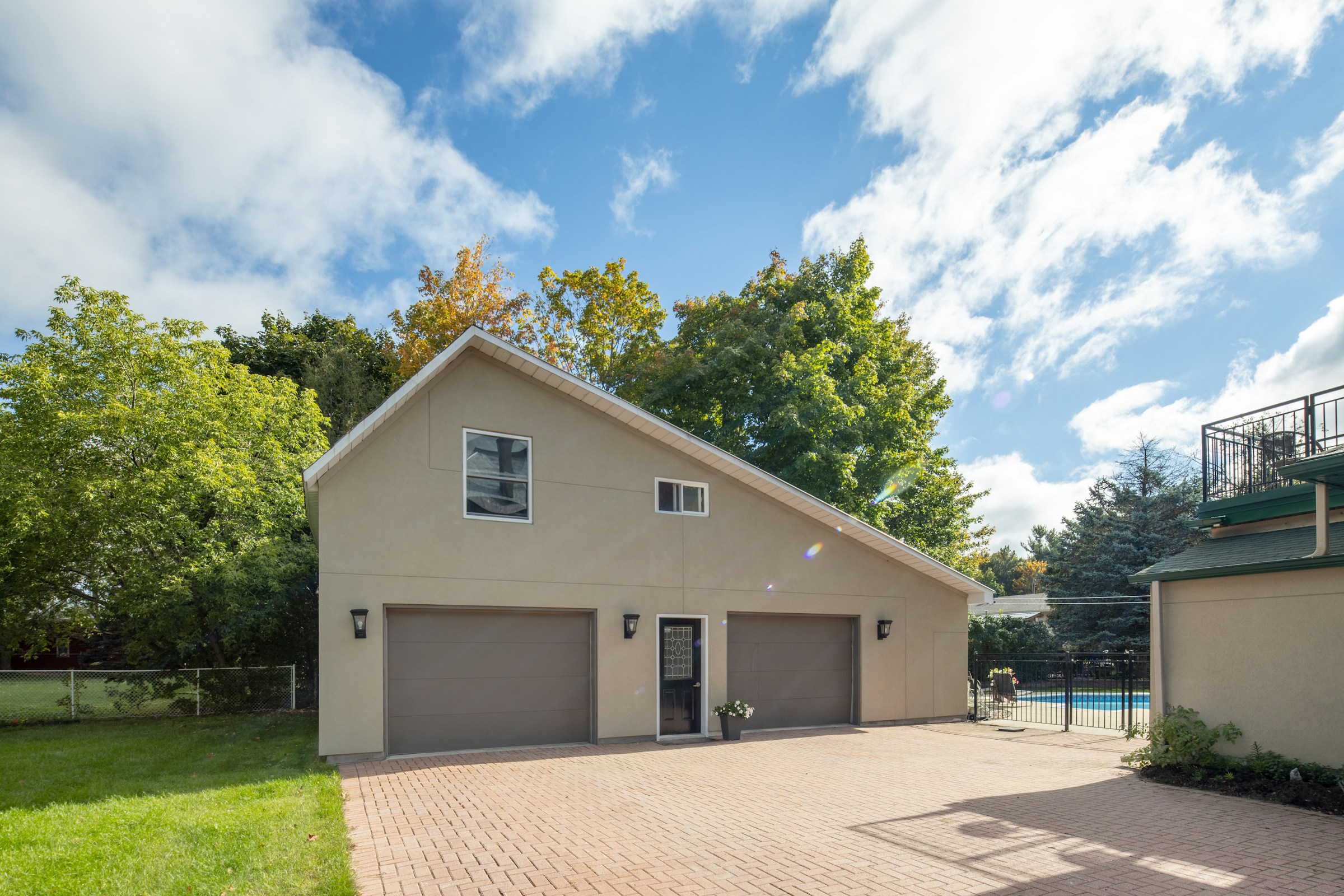
Garage systems manage movement, access, and safety in one of the busiest parts of the home. Tracks, tension springs, rollers, and motorized units work together to lift the door and keep it securely in place. Positioned above or beside the opening, these components face constant exposure to dust and temperature shifts, which leads to gradual wear. Proper upkeep helps prevent unexpected issues that disrupt daily routines.
Homeowners depend on an overhead door that operates smoothly thanks to these hidden mechanisms. Ground-level sensors protect people and belongings, while remote controls allow easy access without leaving the vehicle. Regular lubrication, cleaning, and inspections keep the system quiet and reliable. A well-maintained garage setup delivers security and storage support with minimal effort or interruption.
HVAC Components That Stabilize Comfort
HVAC systems depend on a network of ducts, air handlers, condenser units, coils, and the thermostat that controls temperature throughout the home. These components sit behind walls, under floors, and in out-of-the-way corners. Temperature stays consistent because these pieces move air through vents with balanced pressure and filtration. When the HVAC system works well, rooms stay comfortable during seasonal changes without requiring constant adjustments.
Filters trap dust before it enters the system, so clean airflow depends heavily on simple maintenance. Blocked filters strain the equipment and disrupt temperature control. A home’s indoor experience stays smooth when these elements stay clean and unobstructed.
Plumbing Lines That Carry Clean Water Everywhere
Plumbing lines stretch through walls, ceilings, and floors to deliver clean water where it’s needed. Supply lines guide water toward sinks, showers, and laundry connections. Valves help control flow during repairs or emergencies. Drainage lines remove used water and waste through a gravity-driven design that keeps everything moving toward the proper exits.
A well-built plumbing layout reduces stress on fixtures and keeps water pressure steady. Leaks, corrosion, or slow drains point to hidden issues that benefit from early attention. Preventive care starts with mindful habits like clearing hair from drains and staying alert to minor drips.
Crawl Spaces That Support Structure and Air Quality
Crawl spaces protect the home’s foundation while shaping air quality above them. These areas hold beams, insulation, and moisture-control materials. A dry and well-ventilated crawl space keeps wood strong and reduces conditions that encourage mold. Structured support in this area helps the rest of the home stay stable.
Addressing common crawl space issues like dampness or poor ventilation is often the first step towards improving a home's overall environment. Neglected crawl spaces can introduce unpleasant odors and allergens into living areas, affecting comfort and health. Understanding how these hidden spaces influence the air you breathe can lead to more effective home maintenance strategies. For those looking to assess or improve their home's breathability, professionals specializing in local air quality services can identify specific concerns and recommend solutions.
Moisture barriers, drainage measures, and periodic inspections make a big difference in long-term durability. A clean crawl space strengthens the overall structure and contributes to healthier indoor air.
Attic Frameworks That Control Temperature and Ventilation
The attic shapes the way heat and airflow move through the home. Layers of insulation help stabilize indoor temperatures, while vents near the roofline create natural movement that carries warm air outward. These features shield living spaces from drastic temperature swings and help protect the roof structure.
A clean and balanced attic environment supports energy efficiency and indoor comfort. Proper insulation prevents heat loss during colder months and eases strain on cooling systems when the weather turns warm. Vents allow steady circulation that keeps moisture from settling into wood or insulation.
Water Heating Units That Fuel Everyday Tasks
Water heating units stay tucked into corners, closets, or utility rooms. These systems store or produce heated water for showers, laundry, and dishwashing. Heating elements, tanks, burners, and thermostatic controls work together to deliver water at a steady temperature whenever a tap is opened. A reliable unit supports daily routines without drawing attention.
Mineral buildup creates strain over time, especially in areas with hard water. Flushing the tank at regular intervals helps prevent sediment from collecting at the bottom. Temperature settings matter as well. A moderate setting supports comfort and reduces unnecessary wear on the system. Tankless models rely on sensors and burners that respond instantly to demand.
Smart Home Hubs and Cables That Keep Devices Connected
Smart technology relies on hidden hubs, wiring paths, and discreet equipment that link devices throughout the home. Routers, switches, and control units support lighting systems, security cameras, climate controls, and entertainment setups. These pieces live inside cabinets, behind access panels, or inside structured wiring enclosures where they stay organized and protected.
Clean cable routing prevents tangles and makes troubleshooting easier. Strong connections provide smoother streaming, faster communication between devices, and fewer interruptions. A tidy setup supports long-term reliability and keeps the home ready for future upgrades.
The hidden parts of a home carry enormous responsibility. These areas guide power, regulate temperature, manage airflow, remove waste, and protect the structure. Life runs smoothly because each system performs its job without calling attention to itself. A little awareness helps homeowners respond quickly when small issues appear and prevents minor concerns from turning into major repairs.
Homes feel more dependable when these unseen areas receive thoughtful care. Clean filters, safe electrical panels, tuned water heaters, steady ventilation, and dry crawl spaces all contribute to comfort and reliability. Every system has a place and purpose that supports the people who live there.