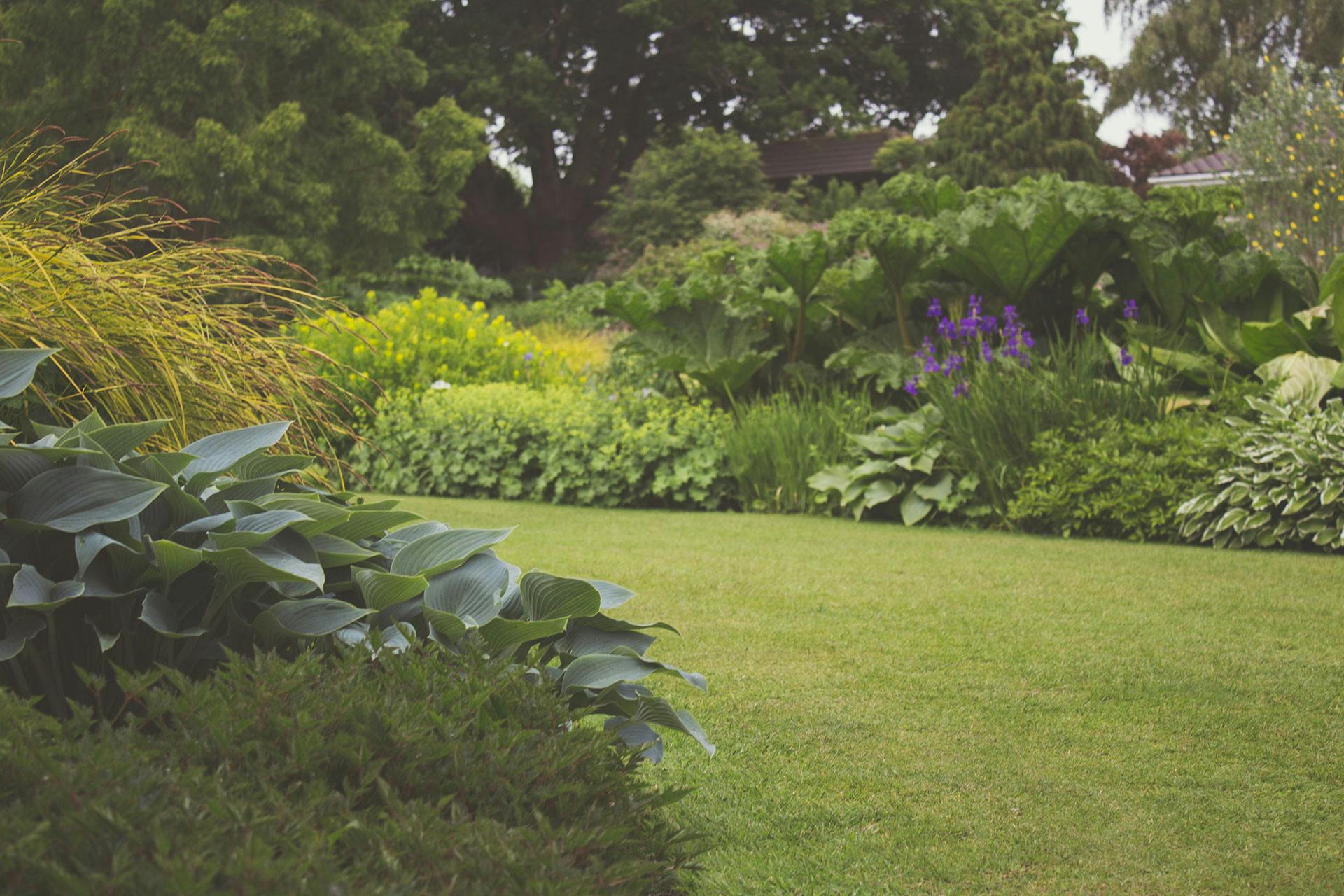
Converting an attractive landscaped backyard into a productive garden plot adds beauty and food production potential to your outdoor space. The goal isn’t to erase your landscape design; it’s to enhance it with purpose.
However, before you start breaking ground, it’s important to understand what you want from your garden: veggies for meals, herbs for cooking, or flowers that feed pollinators. A strong plan makes the work easier and the results better. Here’s how you can convert your landscaped backyard into a productive garden plot:
1. Evaluate Your Current Backyard
When evaluating your backyard, look at where sunlight falls throughout the day, what areas drain well after rain, and how your current landscape features influence plant growth. Most vegetable crops need at least six to eight hours of direct sunlight daily for fruits and vegetables to set well and grow strong.
Inadequate sunlight leads to low yields and weakness in plant structure. Map your yard on paper with these factors in mind to pick the best garden spot. You can also hire professionals like Ed Castro Landscape, who built many outdoor spaces that use existing light and shade patterns to maximize plant health.
2. Choose What You Want to Grow
Decide exactly what you want to grow before altering soil and landscape features. Some plants like tomatoes, peppers, and squash demand full sun and warm soil, while leafy greens like spinach and lettuce handle partial shade better. Write your planting list by season so you can plan for early spring, summer, and fall crops. If space is tight, build vertical trellises for climbing crops like cucumbers and beans, which lets you grow more without taking up ground area.
3. Remove Turf and Prepare Soil
Once you pick your garden location, remove grass and weeds where you want to plant. You can use a sod cutter, a spade, or sheet mulching with cardboard and compost, all effective ways of clearing turf without chemicals.
Improve the soil by adding organic matter like compost, aged manure, or leaf mulch. Good garden soil should crumble in your hand and have plenty of earthworms; this indicates strong structure and high nutrient levels. Test your soil pH with a simple kit from a garden center and adjust it if necessary toward the neutral range of 6.0 to 7.0, which most vegetables prefer.
4. Build Beds and Define Layout
Raised beds work well in landscaped backyards because they create tidy growing spaces and improve drainage. You can build raised beds from cedar boards, composite materials, or stone that matches your existing hardscape. Make paths between beds at least 18 to 24 inches wide so you can walk comfortably without stepping on planted soil.
Place your beds so long rows run north to south; this orientation helps even sun exposure throughout the day. If you already have garden stones or mulch paths, incorporate them into your layout to maintain visual unity with the rest of your landscape design.
5. Install Watering and Irrigation
Watering keeps your garden productive, and the easier you make it, the more likely you will succeed. Use a soaker hose or a drip irrigation system that delivers water directly to plant roots. These systems cut water waste and reduce disease by keeping leaves dry. Hook your irrigation into a timer so you can water early in the morning when evaporation is lowest, and plant stress is minimal.
6. Choose Plants Wisely and Stagger Planting
Plant crops that suit your climate and stagger planting times to extend your harvest. For example, sow lettuce every two weeks in early spring so you have continuous greens rather than a single flush. Start warm-season crops like tomatoes after the last frost date for your area. Using succession planting like this keeps your garden productive throughout the growing season instead of peaking all at once.
7. Maintain With Regular Attention
Garden maintenance pays off in productivity. Pull weeds before they steal nutrients, pinch off yellowing leaves that attract pests, and mulch around plants to retain moisture. Keep an eye on pests and diseases each week so you can act early. Use organic controls like neem oil, diatomaceous earth, or row covers for insect pressure rather than chemical sprays that can harm beneficial insects.
8. Harvest Often and Enjoy
Harvest plants when they are ripe and ready; this encourages more production in crops like beans, peppers, and cucumbers. Use a basket or tray so you don’t bruise produce, and bring your harvest indoors right away to enjoy fresh, home-grown flavor. A productive garden plot can turn your backyard into both a beautiful and highly functional space that feeds your family all season long.
Endnote
Transforming a landscaped backyard into a productive garden takes planning, effort, and consistency. When you assess sunlight, improve soil, design smart layouts, and maintain crops regularly, you create a space that looks beautiful and grows real food. With clear goals and steady care, your yard can deliver harvests season after season.