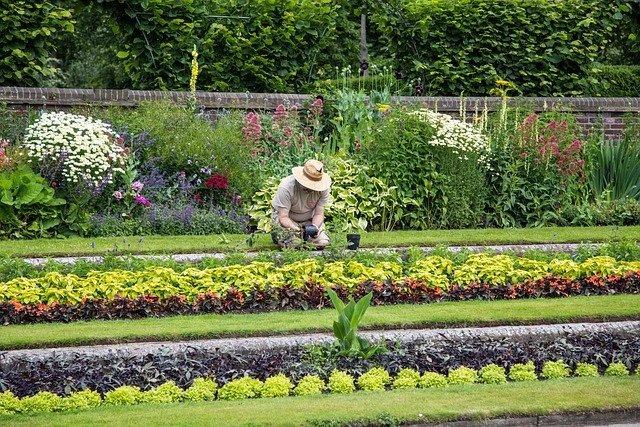
Every homeowner knows that a beautiful, high-yield garden is a labour of love. We spend our weekends meticulously planning the layout of our beds, selecting the right mulch to manage soil moisture, and ensuring our irrigation systems are functioning at peak efficiency. We treat the foundation of our property with immense respect, yet we often neglect the physical foundation that makes all this work possible.
Gardening is one of the most rewarding ways to interact with your property, but it is also one of the most physically demanding. The sustained bending, heavy lifting, and repetitive motions required for planting and maintenance can lead to significant structural stress over time.
To keep your yard looking its best for years to come, you have to treat your own physical recovery with the same rigour you apply to your composting schedule. For many dedicated homeowners, particularly those who have spent decades tending to their land, traditional stretching is often not enough to undo the compression of a full day in the dirt. Having a clear protocol for avoiding back strain after yard work is a critical part of any property maintenance plan.
By addressing the physical toll of gardening immediately after you put the tools away, you ensure that a weekend of mulching does not lead to a week of being sidelined on the sofa. Structural maintenance is the only way to guarantee that your hobby remains a joy rather than a chore as the years go by.
Understanding the Mechanics of the Gardener’s Back
The human spine is a marvel of engineering, but it is not designed to stay in a crouched or hunched position for hours at a time. When we are weeding or transplanting seedlings, we are often in a state of sustained flexion. This puts a massive amount of pressure on the lumbar discs and the supporting ligaments. In the gardening world, we often talk about soil compaction and how it prevents roots from getting the oxygen they need. A similar process happens in your back. Sustained pressure causes the fluid to be pushed out of your spinal discs, leading to that familiar feeling of stiffness or locking up when you finally try to stand up straight at the end of the afternoon.
You would not leave your tools out in the rain to rust, so you should not leave your back in a state of compression after a long session. The goal of any recovery guide is to reverse the physical impact of the day’s tasks. This means finding ways to reintroduce space into the spine, rehydrate the discs, and calm the nervous system. By treating your recovery as a standard operating procedure for your home maintenance, you significantly reduce the risk of chronic injury.
The Ergonomics of Yard Maintenance
Prevention is always the first line of defence in any home project. Just as you would choose the right shovel for the soil type, you must choose the right movements for your body. Many gardeners make the mistake of using their back as a crane. When you are lifting heavy bags of soil or moving large decorative stones, the power should come from your legs and hips. However, even with perfect form, the sheer volume of movement in a garden will take a toll.
Consider the layout of your garden as a tool for your health. Raised beds are a popular choice for YardYum readers because they bring the work to you. Reducing the distance you have to bend is one of the most effective ways to lower the physical cost of a harvest. Furthermore, using long-handled tools for weeding and cultivating allows you to maintain a neutral spine. These small adjustments in your gardening infrastructure pay dividends in how you feel the next morning.
Implementing a Structural Reset
Once the tools are cleaned and put away, your work is not quite finished. The cool-down phase of gardening is where the real longevity is built. Most people wait until they are in pain to address their back, but the smartest homeowners treat their structural health like a preventative maintenance contract. A structural reset involves active decompression. This is the process of allowing gravity to work in your favour for a change.
Whether you use a dedicated decompression tool or specific restorative positions, the objective is the same: to create length. After hours of being compressed by the weight of lifting and the tension of bending, your spine needs a chance to expand. This expansion allows blood flow to return to the muscles and nutrients to reach the spinal discs. It is a simple mechanical solution to a mechanical problem. When you make this a non-negotiable part of your gardening day, you will find that your recovery time drops significantly.
The ROI of Physical Longevity
In the world of property management, we are always looking for a good return on investment. We invest in high-quality mulch because it saves us time on weeding and money on water. We invest in top-tier tools because they last a lifetime. Your body is the most important tool in your shed. The ROI of maintaining your physical health is measured in the decades of gardening you have ahead of you.
For the senior gardener, this becomes even more critical. The ability to stay active in the yard is one of the best ways to maintain overall health and mobility. It keeps you moving, keeps you outside, and provides a sense of accomplishment. Protecting that ability is worth every bit of effort you put into your recovery guide. Do not view your recovery time as time away from the yard; view it as the investment that allows the yard to thrive.
Designing a Sustainable Workflow
To avoid the cycle of gardening to the point of exhaustion, try implementing a timed workflow. Work for forty-five minutes and then spend five minutes standing tall, walking around, and gently resetting your posture. This prevents the muscles from becoming set in a shortened position. It is much easier to maintain a healthy back throughout the day than it is to fix a seized back at the end of it.
Additionally, stay hydrated. Your spinal discs are mostly water. If you are gardening in the heat and not drinking enough, your discs will lose their cushioning more quickly. Think of water as the lubrication for your internal machinery. Without it, everything starts to grind, and that is when the real damage occurs. Keep a bottle of water at the end of the row and make it a habit to drink every time you finish a specific task.
Conclusion: Tending to the Gardener
A well-maintained garden is a source of pride and peace. It reflects the care and attention you have given to the land. But a truly successful garden is one where the gardener is as healthy as the plants. By following a dedicated recovery guide and being mindful of the structural mechanics of your body, you can ensure that you are able to tend to your property for the long haul.
Respect your back, prioritise your recovery, and remember that the most important foundation on your property is the one you are standing on. With the right strategy, you can enjoy the fruits of your labour without the physical price tag that so often comes with it. Keep your tools sharp, your soil healthy, and your spine long.