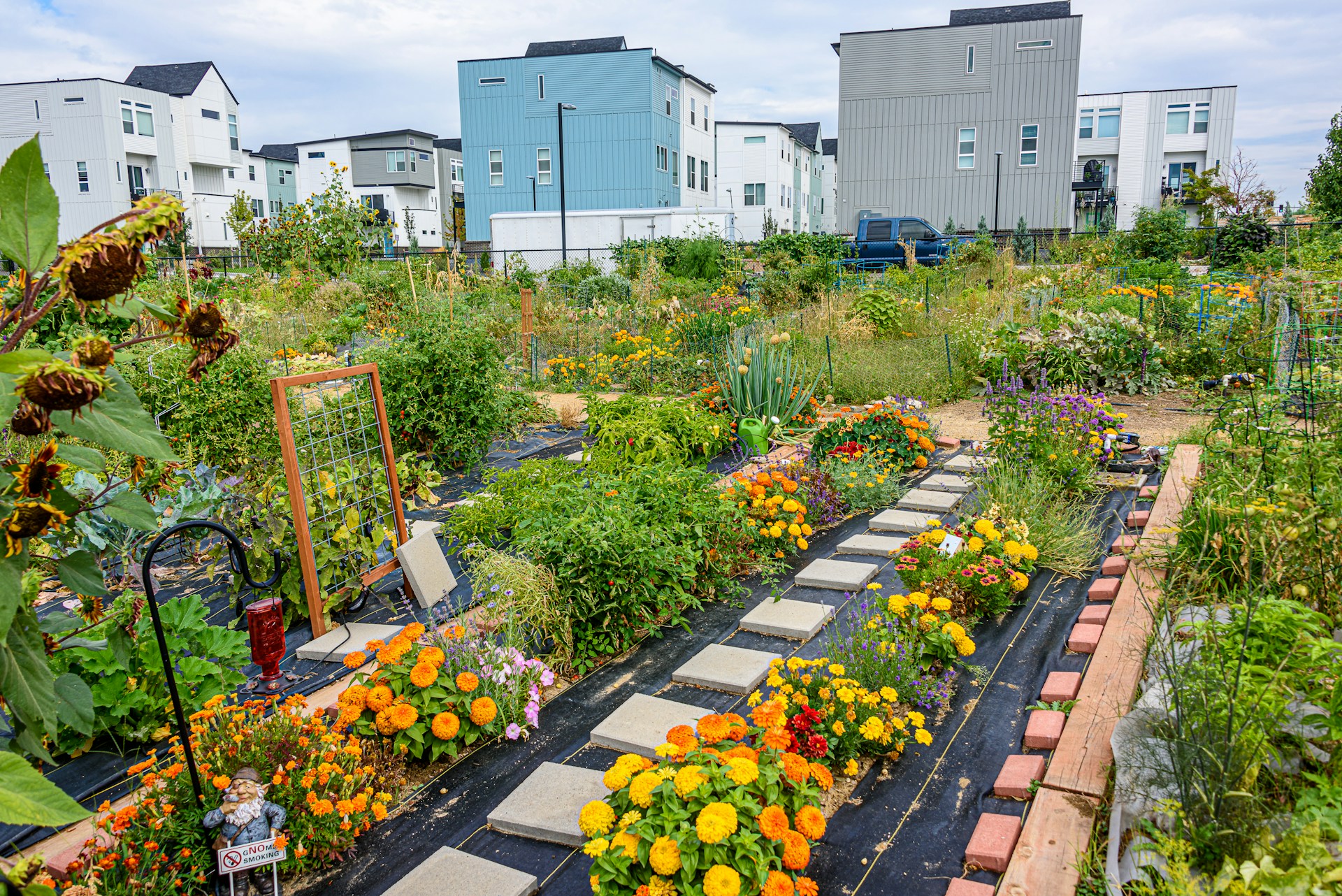
A community garden grows best when members have clear plans for planting, maintenance and everyday problem-solving. Shared spaces can quickly suffer from neglected plots, overflowing waste and pest activity if no one knows who should respond. A simple structure helps gardeners protect crops while keeping the space welcoming for neighbors, volunteers and visitors.
Building a Thriving Community Garden
Start with a site plan that shows plot boundaries, water access, tool storage, paths and shared planting areas. The NC State Extension guide to organizing a community garden recommends forming a planning committee and assessing community interest before developing the site.
Give each bed a number and post contact details for the garden coordinator. If your group wants to see how a compact space might be presented to potential gardeners, this fenced community garden bed offers a useful example. Accessible paths, nearby seating and clearly labeled shared tools also make the garden easier for more people to enjoy.
Shared Responsibilities and Rules
Write down expectations before the first seeds go into the ground. Rules should cover watering schedules, approved growing methods, unattended produce and deadlines for clearing abandoned plots. Keep them short enough to display on a weatherproof sign near the entrance.
Assign rotating jobs for checking faucets, emptying waste bins and inspecting fences. Members should also know whom to contact when wildlife repeatedly gathers around structures or creates sanitation concerns. In Peoria and surrounding West Valley communities, professional pigeon control may be appropriate when persistent activity can’t be handled through routine cleanup and non-harmful deterrents. Clear reporting rules help the group respond early instead of leaving one gardener to manage the problem.
Keeping Your Shared Space Clean
Schedule a 20-minute cleanup at the end of each weekly work session. Remove broken pots, plant labels and plastic ties before they scatter across neighboring plots. Store hoses neatly so they don’t become tripping hazards and return tools to a dry, secure area.
Place separate containers for compostable plant material and general trash. Diseased leaves, invasive weeds and food packaging shouldn’t enter the compost pile. Harvest ripe produce promptly and collect fallen fruit because decaying food attracts insects and animals. Once a month, inspect benches, sheds, rain barrels and signs for damage. A dated maintenance log makes recurring issues easier to spot and gives volunteers a clear record of completed work.
Dealing with Common Garden Pests
Inspect plants at least once a week, paying close attention to leaf undersides and new growth. Holes, sticky residue, curled leaves or sudden wilting can reveal a problem before an entire bed is affected. Remove heavily damaged plant material and identify the cause before applying any treatment.
The community gardening guide from the National Center for Appropriate Technology covers practical considerations for maintaining productive shared plots. Gardeners can also reduce problems through crop rotation, adequate plant spacing and careful watering at soil level. Use physical barriers such as row covers when appropriate, but uncover flowering crops when pollinators need access. Record outbreaks so next season’s planting plan can account for them.
Encouraging Biodiversity
Plant a mix of flowers, herbs and vegetables that bloom at different points in the season. Early flowers provide food when few plants are available, while late bloomers support beneficial insects as summer crops fade. Native plants are especially helpful because local pollinators often recognize and use them readily.
Avoid clearing every stem at the end of the growing season. A small, designated habitat area can hold hollow stems and leaf litter that shelter helpful insects, while productive beds remain tidy. Add a shallow water dish with stones for safe landing spots and refresh it often to prevent stagnant water. When gardeners combine diverse planting with regular observation, the shared space becomes more resilient, lively and productive year after year.