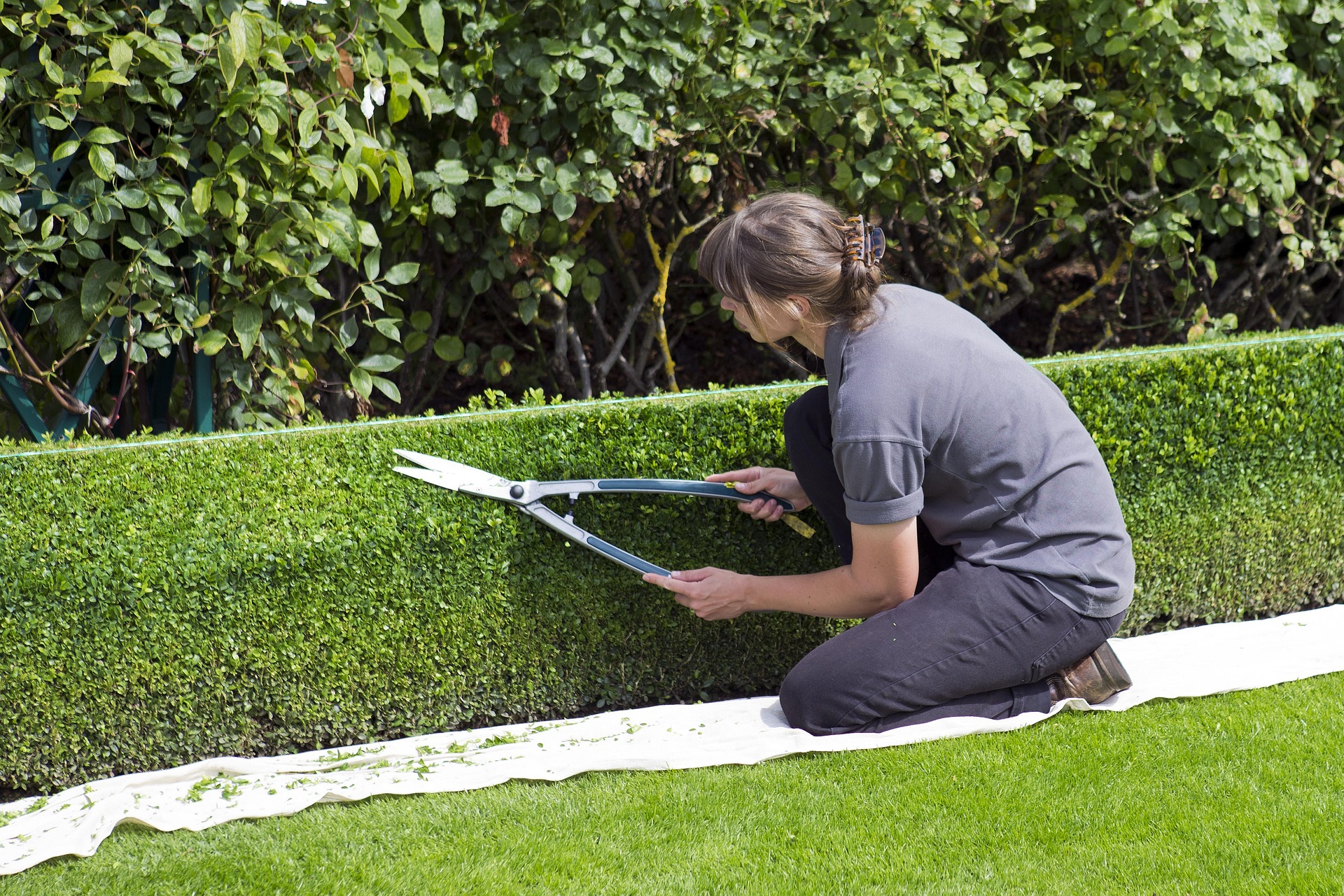
Upgrading your yard is one of the best ways to improve curb appeal, create a more functional outdoor space, and even increase property value. Whether you’re planning a simple garden refresh or a full backyard transformation, thoughtful preparation makes all the difference.
Unfortunately, many homeowners jump into projects too quickly and end up spending more time and money fixing avoidable mistakes. This post details skipping the planning stage, choosing the wrong materials, and more.
Skipping the Planning Stage
One of the biggest mistakes homeowners make is starting without a clear plan. It’s easy to get excited about new patios, flower beds, or walkways, but rushing into installation often leads to poor layout decisions.
Before beginning, consider how you want to use the space. Will it be for entertaining, gardening, relaxing, or all three? Think about the drainage, sun exposure, traffic flow, and maintenance needs. A well-planned design helps prevent costly adjustments later and ensures your yard works for your lifestyle.
Choosing the Wrong Materials
Not all outdoor materials perform the same way, and selecting the wrong ones can create long-term problems. For example, using low-quality gravel for pathways or poor soil for planting beds may lead to erosion, drainage issues, or unhealthy plants.
Working with trusted landscape supplies helps homeowners choose the right products for each project, from decorative stone and mulch to topsoil and base materials. Quality materials create stronger, longer-lasting results and reduce future maintenance.
Ignoring Drainage Problems
Make homeowners focus only on appearance and overlook how water moves through the yard. Poor drainage can damage gardens, weaken patios, and create muddy areas that make outdoor spaces unusable.
Before installing hardscapes or planting new beds, assess where water collects after rain. Proper grading, gravel bases, and drainage solutions such as French drains can protect your investment and prevent future repairs.
Overplanting the Space
A common design mistake is planting too much too quickly. Young plants may look small at first, but they often grow larger than expected. Overcrowding can lead to poor airflow, unhealthy plants, and a cluttered appearance.
Instead, research the mature size of trees, shrubs, and flowers before planting. Leave enough room for healthy growth and choose plants that match your local climate and maintenance preferences.
Forgetting About Maintenance
Beautiful outdoor spaces still require upkeep. Some homeowners choose high-maintenance features without considering the long-term commitment involved. Delicate plants, complex water features, or certain paving materials may demand more attention than expected. When upgrading your yard, balance beauty with practicality. Select features that fit your schedule, budget, and willingness to maintain them throughout the year.
Neglecting Soil Preparation
Healthy plants start with healthy soil, yet many people skip this important step. Planting directly into poor soil can result in weak growth, drainage problems, and wasted money on replacements.
Testing your soil and improving it with compost, topsoil, or proper amendments creates a stronger foundation for gardens and lawns. Good preparation supports long-term success and healthier landscapes.
Endnote
A successful yard upgrade is about more than appearance; it’s about creating a space that functions well and lasts for years. Avoiding common mistakes like poor planning, drainage issues, and low-quality materials can save time, money, and frustration.
With the right preparation and smart decisions, homeowners can transform their outdoor spaces into beautiful, practical environments that add lasting value to their homes.