Taking on a new patch of land for a garden is such an exciting moment, full of dreams for future flowers, veggies, and herbs. But before you can start planting, there's some important groundwork to do. Getting your plot ready is truly the most crucial step for creating a healthy, productive, and enjoyable garden for years to come. This guide will walk you through turning a rough patch into a gardener's paradise.
Assessing Your New Garden Plot
Before you even pick up a tool, take a little time to just watch your new space. Understanding its unique quirks will help you make smarter choices later on. If you can, spend a full day observing how the sunlight moves across the plot. Note which areas get full sun (that's six or more hours), which are in partial shade, and which are in deep shade. Most vegetables and many flowers really need plenty of direct sunlight to thrive. If you're short on space, even a small, sunny patch can become a productive garden plot with the right soil and consistent care.
Also, think about water access and drainage. Is there a tap nearby? Will you need a long hose? After a good rain, check for spots where water pools or drains away too quickly. A slight slope is often good for drainage, but a steep one can wash away your soil. Knowing these details upfront will save you a lot of headaches down the line.
Initial Clearing: Weeds and Debris
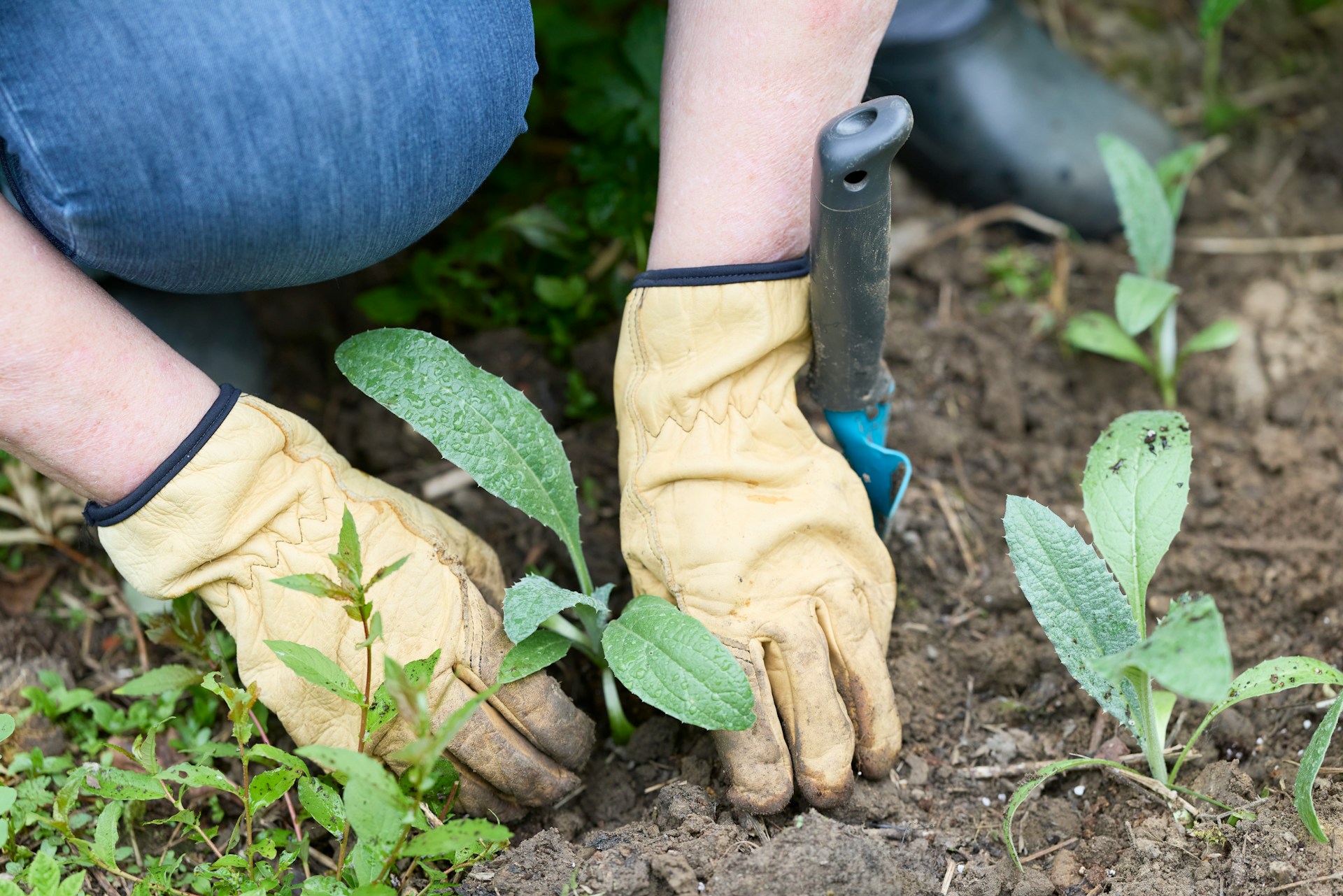
The first hands-on job is to clear the surface of anything you don't want there. This includes rocks, litter, dead branches, and, most importantly, weeds. For just a few scattered weeds, a garden fork is your best friend. But if your plot is completely taken over by grass and stubborn weeds, you've got a few choices.
You could dig everything over, pulling out weeds by hand, but that's really hard work and can actually bring dormant weed seeds up to the surface. A popular and much less strenuous method is sheet mulching, sometimes called "lasagne gardening." You simply cover the area with a layer of cardboard, which smothers the weeds and grass, then pile organic materials like compost, leaves, and grass clippings on top. Over several months, everything breaks down to create a new garden bed that's fertile and ready for planting.
Why Remove Old Tree Stumps?
As you clear your plot, you might stumble upon old tree stumps. It can be tempting to just garden around them, but they can cause more problems than you'd think. A stump takes up valuable growing space, and its roots can get in the way of new plants, so consider stump grinding prices. Old wood can also attract pests like termites, ants, and other insects you definitely don't want in your garden. Plus, they're a tripping hazard!
Removing a stump is a tough job. You can try digging it out by hand or using chemical removers, but these methods are slow and often don't work very well. A much more efficient solution is stump grinding. This process uses a machine to shred the stump and its main roots into small wood chips, which you can then use as mulch elsewhere in your garden. While you can rent a grinder yourself, it's often safer and more efficient to get a professional quote.
Improving Soil Health Naturally
Great gardens always start with great soil. Once your plot is clear, the next step is to improve your soil's structure and fertility. The best way to do this is by adding lots of organic matter. You don't necessarily need to do a ton of heavy digging. The "no-dig" method is becoming super popular because it protects the delicate ecosystem of worms, fungi, and microbes that keep soil healthy.
Just spread a thick layer (at least a few inches) of compost, well-rotted manure, or leaf mould over the entire surface of your new bed. The worms and other soil life will gradually pull this organic matter down into the soil, improving its ability to hold water and slowly releasing nutrients to your plants. This is a key part of preparing a vegetable garden site for a bountiful harvest.
Planning Your Garden Layout
With the heavy lifting done, you can move on to the fun part: planning your layout. Think about how you want to use the space. Where will the pathways go so you can easily reach your plants without compacting the soil? Will you use raised beds or plant right into the ground? Raised beds can be a great choice if your native soil has poor drainage or if you want to reduce bending.
Grab a notepad and pencil and sketch out a simple plan. Decide where you'll plant taller crops, like climbing beans or sunflowers, so they don't shade out smaller plants. Grouping plants with similar needs for sun and water also makes ongoing care much easier. A little bit of planning at this stage ensures your garden is not only productive but also a joy to work in.