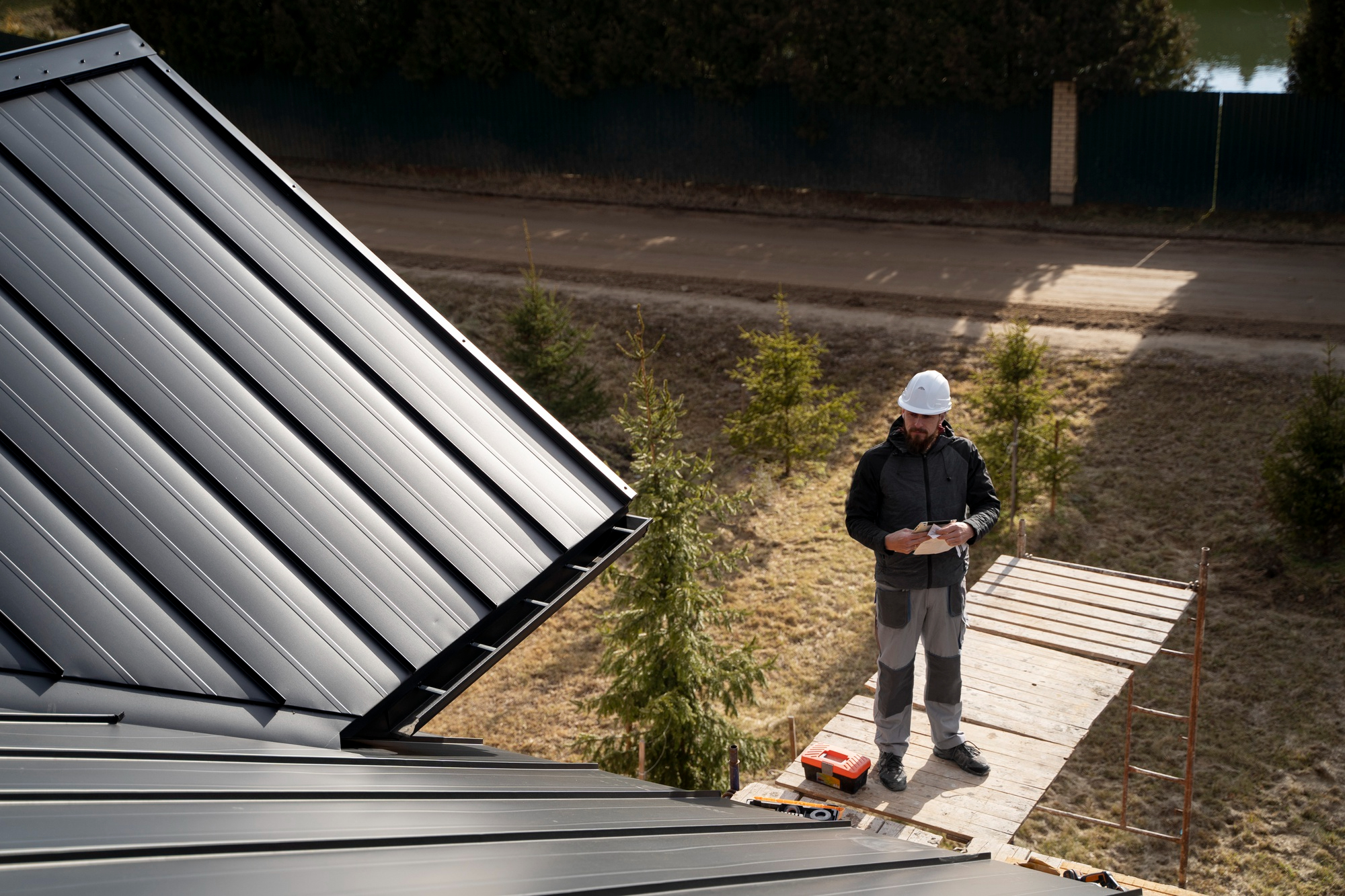
Many garden structures and furniture are exposed to harsh weather conditions which can lead to rust, fading, or deterioration over time. This can leave your outdoor space looking worn out and diminish the overall aesthetic.
To avoid such issues, it’s essential to select a metal that not only complements your garden’s design but also stands up to the elements. In this article, we’ll explore the key differences between three of the most popular metals; steel, aluminum, and stainless steel. By understanding their unique properties, you'll be able to make an informed choice and create a garden that remains beautiful and functional for years to come.
Understanding the Basics of Each Metal
Steel
Steel is one of the most commonly used metals in outdoor furniture and structures due to its strength and durability. It offers a robust framework capable of supporting large, heavy objects like garden gates or pergolas.
However, steel is susceptible to rust when exposed to moisture and humidity. This makes it important to apply protective coatings such as powder coating or galvanization to enhance its resistance to corrosion. With the right maintenance, steel can last for years, making it a great choice for those seeking durability in their garden projects.
Aluminum
Aluminum is a lightweight metal that is naturally resistant to rust and corrosion. Its ability to withstand the elements without deteriorating makes it an ideal choice for outdoor furniture, garden ornaments, and even sheds.
Aluminum’s lightness also makes it easy to move and reposition, which is perfect for dynamic garden layouts. Additionally, aluminum requires very little maintenance as it does not rust like steel, making it a hassle-free option for those looking for practicality and longevity in their garden items.
Stainless Steel
Stainless steel is a high-quality alloy made primarily from iron, carbon, and chromium. Stainless steel offers superior corrosion resistance compared with regular steel, making it well suited to exposed outdoor applications; Stainless steel fabrication can also be used to create custom components that take advantage of these properties. The chromium in stainless steel forms a protective layer that prevents rust from forming, making it an excellent option for harsh outdoor environments.
Known for its sleek, modern aesthetic, stainless steel adds a polished, contemporary look to garden furniture and structures. Its durability, combined with its attractive appearance, makes stainless steel a popular choice for those seeking long-lasting, low-maintenance, and visually appealing outdoor items.
Incorporating Custom Metal Fabrication
Custom metal fabrication lets you create personalized garden features that match your style and functional needs. You can design everything from custom furniture to unique sculptures, ensuring each piece is one-of-a-kind. This approach enhances your outdoor space's uniqueness and provides better durability suited to your specific climate.
Whether you need a custom gate, railing, or planter, custom fabrication offers endless possibilities. If you want to learn more about how custom metal fabrication works, explore a detailed custom metal fabrication guide that takes you through the entire fabrication process.
How Each Metal Stands Up to Weather
We’ve already covered the durability properties of steel, aluminum, and stainless steel. Now, let’s look at how these metals perform under different weather conditions.
Steel requires regular maintenance, especially in areas with high humidity or rainfall, as it is prone to rust without protective coatings. In dry climates, steel will last longer with minimal maintenance, but it still needs periodic checks and touch-ups on coatings to maintain its strength and appearance.
Aluminum is naturally resistant to rust and corrosion, making it an excellent choice for regions with high moisture levels or saltwater exposure. It is low-maintenance and only requires occasional cleaning. However, in hot climates, aluminum furniture may become warm to the touch in direct sunlight, potentially reducing comfort.
Stainless Steel stands out for its exceptional corrosion resistance, making it ideal for all climates, including coastal areas. It requires minimal maintenance, as it resists rust and staining. Occasional cleaning will help preserve its sleek appearance and prevent dirt buildup. Stainless steel performs reliably in both humid and dry conditions, making it a versatile and low-maintenance option for your garden.
In summary, steel demands more care in humid areas, aluminum is virtually maintenance-free, and stainless steel offers excellent performance with minimal upkeep across various climates.
Design Considerations for Raised Beds and Garden Structures
In gardens, the appearance of raised beds, trellises, and fencing can greatly enhance the overall appeal of the space.
Steel offers a classic and sturdy look that works well in both traditional and modern garden settings. It can be powder-coated or painted to coordinate with the garden’s theme, making it a versatile option for landowners looking for durability with a touch of customization. However, its raw, industrial finish may not suit more delicate or traditional garden settings.
Aluminum, with its sleek and smooth appearance, is perfect for contemporary or minimalist gardens. Its lightness gives it a clean, modern feel that doesn’t overpower the natural elements of the garden. Aluminum furniture and accessories are available in a range of colors, making it easy to find pieces that blend seamlessly with different themes, from tropical to Zen-inspired gardens.
Stainless steel provides a polished, premium appearance that reflects quality and longevity. Its sleek, reflective surface adds elegance to permanent installations such as planters, edging, or trellises, ensuring the garden looks attractive and well-kept season after season.
Cost and Value Analysis
The table below helps compare the initial cost, long-term value, maintenance needs, and factors influencing the price of each metal.
|
Metal |
Initial Cost |
Long-Term Value |
Maintenance Needs |
Factors Affecting Cost |
|
Steel |
Low |
Moderate |
Requires regular maintenance (rust prevention) |
Material availability, coating processes |
|
Aluminum |
Moderate |
High |
Low maintenance, occasional cleaning |
Material availability, manufacturing processes |
|
Stainless Steel |
High |
Very High |
Minimal maintenance (occasional cleaning) |
Material quality, manufacturing complexity |
Endnote
Choosing the right metal for your garden impacts the functionality and appeal of your outdoor space. By evaluating factors like weather conditions, design preferences, and maintenance requirements, you can make an informed decision that enhances your garden's beauty and durability. With the right materials, you will ensure your outdoor space remains inviting and functional for years to come.