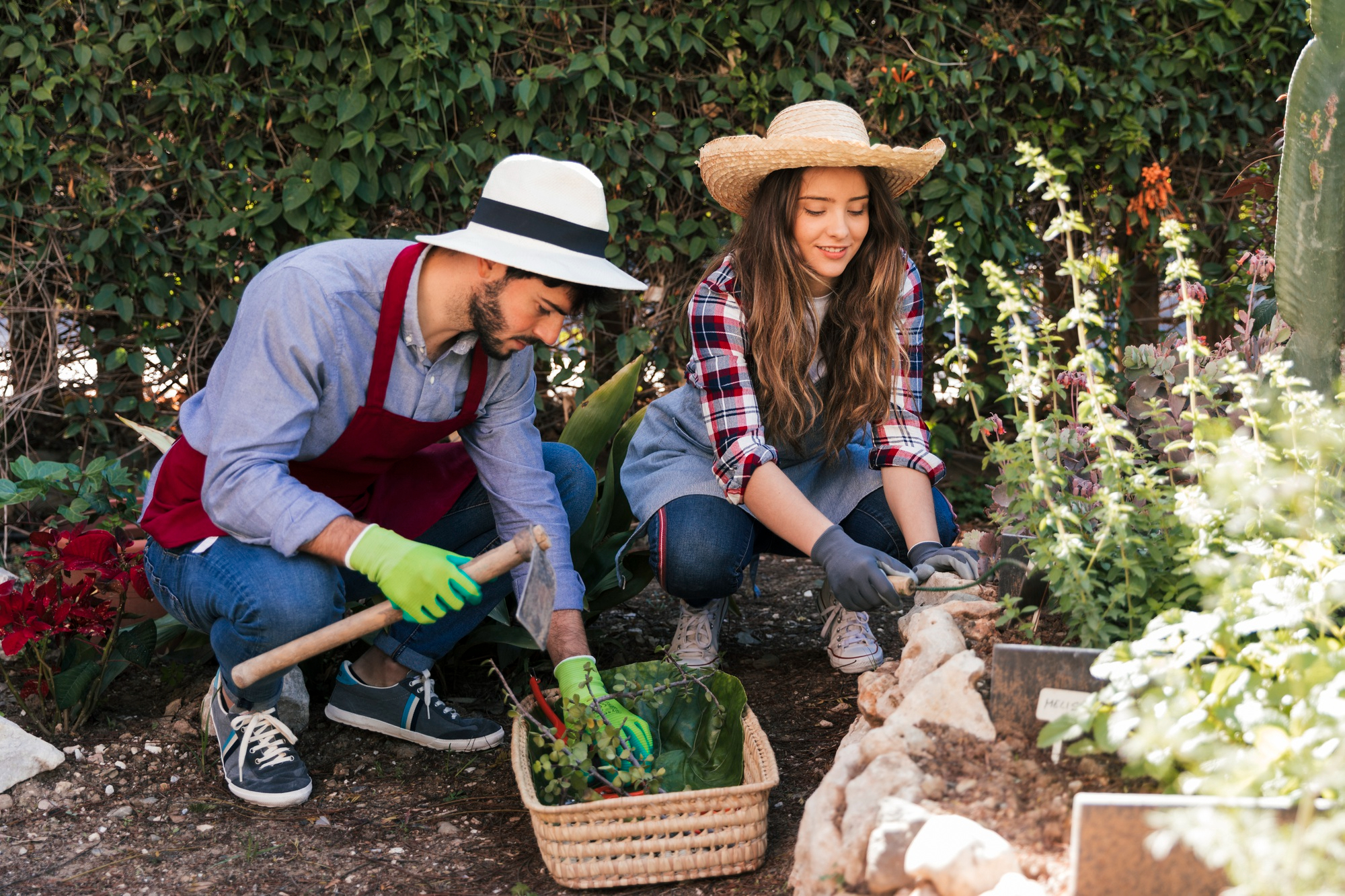
Transforming your outdoor space doesn't require a complete overhaul or a massive budget. With strategic modifications and thoughtful planning, any garden can evolve from ordinary to extraordinary. Whether you're working with a small urban plot or expansive suburban landscape, simple adjustments can dramatically improve both the aesthetic appeal and functionality of your gardening space.
Understanding Your Garden's Current State
Before making any changes, conduct a thorough assessment of your existing garden conditions. Observe how sunlight moves across different areas throughout the day, noting which spots receive full sun, partial shade, or remain in shadow. Test your soil's pH levels and drainage capabilities, as these factors significantly influence plant selection and placement decisions.
Consider the microclimates within your garden space. Areas near south-facing walls typically stay warmer and drier, while spots under large trees remain cooler and more humid. Understanding these variations allows you to match plants with their ideal growing conditions, reducing maintenance requirements and improving overall garden health.
Strategic Plant Selection and Placement
The foundation of any successful garden lies in choosing appropriate plants for your specific conditions. Native species typically require less water, fertilizer, and pest management compared to exotic varieties, making them excellent choices for sustainable gardening practices. Research indicates that native plants can reduce garden water usage by up to 50 percent while supporting local wildlife populations.
When planning your plant layout, consider mature sizes to avoid overcrowding issues later. Group plants with similar water and sunlight requirements together, creating efficient irrigation zones. This approach, known as hydro-zoning, can reduce water consumption by 15-20 percent according to landscape management studies.
For those looking to establish permanent garden structure, going for quality shrubs and trees for sale from reputable nurseries provides long-term value. These larger plants serve as anchor points in your design, offering year-round interest and creating natural privacy screens or windbreaks.
Improving Soil Health Through Simple Amendments
Healthy soil forms the cornerstone of thriving gardens, yet many gardeners overlook this crucial element. Adding organic matter through compost, aged manure, or leaf mold improves soil structure, drainage, and nutrient availability. Studies show that gardens with regularly amended soil produce 25-30 percent more vigorous plant growth compared to those with unimproved soil.
Consider establishing a simple composting system to recycle kitchen scraps and yard waste into valuable soil amendments. Even small-scale composting operations can divert approximately 700 pounds of organic waste from landfills annually while providing free fertilizer for your garden.
Mulching around plants conserves moisture, suppresses weeds, and gradually improves soil as organic mulches decompose. Apply 2-3 inches of organic mulch around plants, keeping material away from plant stems to prevent pest and disease issues.
Water Management and Conservation Strategies
Efficient water management becomes increasingly important as climate patterns shift and water resources become more precious. Installing drip irrigation or soaker hoses can reduce water usage by 30-50 percent compared to overhead sprinkler systems while delivering moisture directly to plant root zones.
Collecting rainwater through simple barrel systems provides free irrigation during dry periods. A single inch of rainfall on a 1,000 square foot roof can yield approximately 600 gallons of harvestable water, demonstrating the significant potential for reducing municipal water dependency.
Timing irrigation schedules for early morning hours minimizes evaporation losses and reduces fungal disease pressure on plants. Deep, infrequent watering encourages robust root development, creating more drought-tolerant plants over time.
Creating Visual Interest Through Design Principles
Incorporating basic design principles elevates garden aesthetics without requiring extensive expertise or investment. Repetition of certain plants, colors, or materials creates visual continuity throughout the space. Contrast adds excitement through varying textures, heights, or seasonal interest.
Establishing focal points draws the eye and creates natural gathering areas within larger garden spaces. These might include distinctive specimen plants, decorative containers, or simple water features. Even small gardens benefit from one or two well-placed focal elements.
Consider extending growing seasons through succession planting and selecting varieties with different bloom times or foliage colors. This approach ensures continuous visual interest from early spring through late fall, maximizing your garden's impact throughout the growing season.
Maintenance Reduction Through Smart Design
Thoughtful garden design significantly reduces long-term maintenance requirements. Choosing disease-resistant plant varieties decreases the need for chemical interventions while ensuring healthier plants. Proper spacing allows for adequate air circulation, reducing fungal problems naturally.
Installing permanent pathways and defined bed edges prevents soil compaction and makes routine maintenance tasks more efficient. Materials like stone, brick, or properly installed landscape edging create clean lines while requiring minimal upkeep.
Regular but modest maintenance tasks prevent small problems from becoming major issues. Weekly garden walks allow early identification of pest problems, watering needs, or diseased plant material before they impact overall garden health.
Final Word
Building a better garden requires patience, observation, and willingness to make gradual improvements rather than dramatic changes. By focusing on soil health, appropriate plant selection, efficient water management, and thoughtful design principles, any gardener can create a more beautiful, sustainable, and low-maintenance outdoor space. Remember that the most successful gardens evolve over time, with each season bringing opportunities for refinement and enhancement.