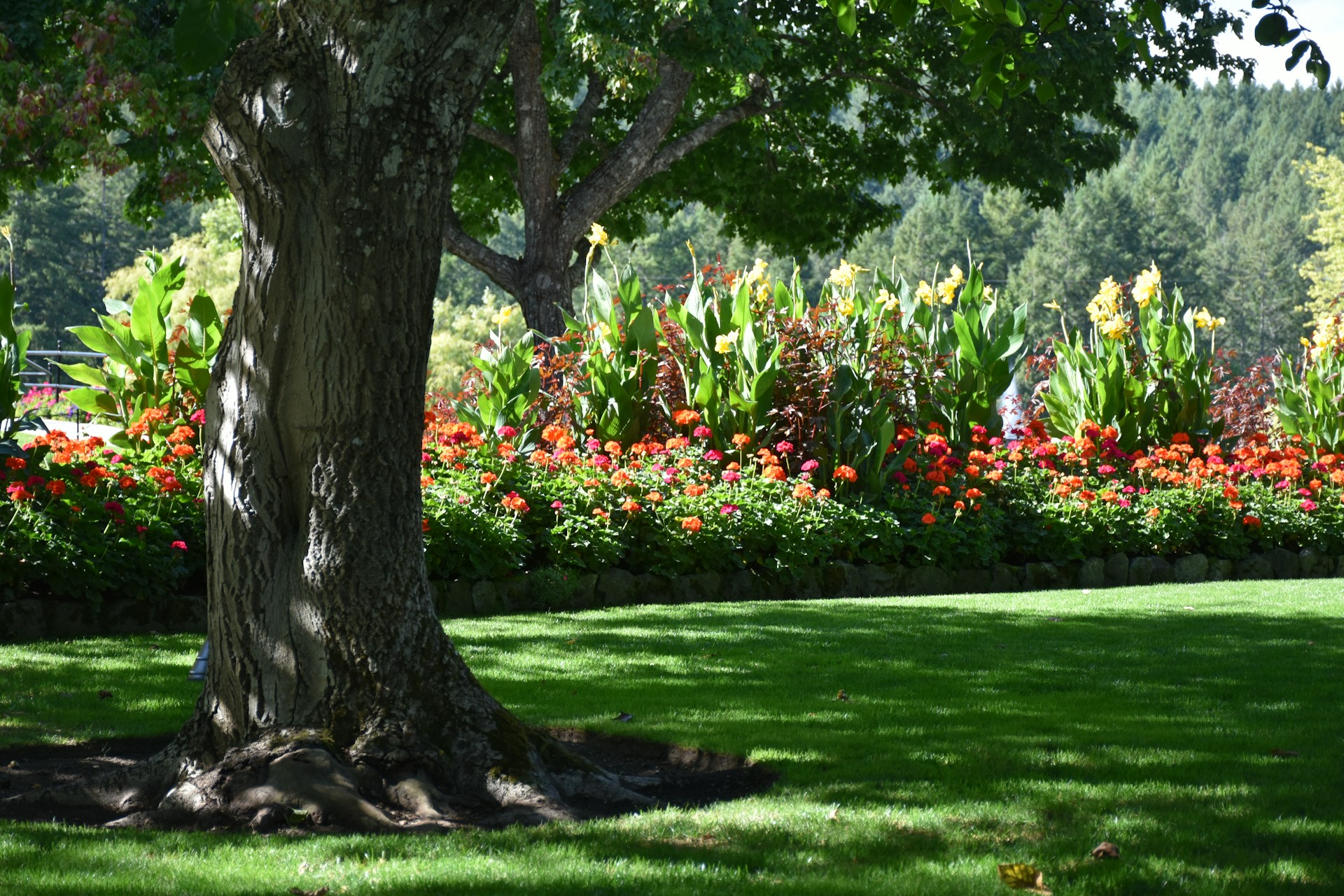
When you're planning a garden, it's easy to focus only on the soil right in your designated plot. You might spend hours adding compost, checking its pH, and making sure it has the right texture. But one of the most powerful allies for your garden's soil health might be standing right next to it: a tree. Trees do more than just provide shade; they actively help create a rich, stable, and fertile foundation for everything you grow.
Trees and Soil: A Natural Partnership
The relationship between trees and soil is a classic example of a partnership where everyone wins. A tree's root system is a powerful force for good underground. As roots grow, they push through compacted earth, creating channels that aerate the soil and improve water drainage. This stops your garden beds from getting waterlogged after a heavy rain. This cycle is fundamental to improving soil health over the long term.
However, this partnership works best when the tree is a healthy and well-behaved neighbor. A diseased, damaged, or poorly placed tree can become a problem, dropping infected leaves, hogging all the water, or casting too much shade. Keeping trees healthy and appropriately managed helps maintain that balance and keeps them beneficial to the rest of the garden.
Nutrient Cycling from Canopy to Root
One of the biggest benefits trees offer is their ability to recycle nutrients. Every autumn, deciduous trees drop their leaves, which form a natural blanket over the soil. This layer of leaf litter might look messy, but it's a feast for earthworms, bacteria, and fungi. As these organisms break down the organic matter, they release vital nutrients like nitrogen and phosphorus back into the soil in a form your garden plants can easily absorb.
This process is nature’s slow-release fertilizer. The rich, dark material that comes from this decomposition is called humus, and it's essential for good soil structure and fertility. This process shows a core principle of ecology: healthy soil makes healthy plants. By simply letting a tree go through its natural cycles, you are actively enriching the ground for your vegetables and flowers.
Preventing Erosion in Your Garden Space
Topsoil is a gardener's most precious resource, but wind and water erosion can easily carry it away. A tree's extensive root system acts like a finely woven net, holding soil particles together and anchoring them in place. This is especially important for gardens on a slope or in areas that get intense downpours. The tree's canopy also helps by softening the impact of falling rain, reducing its power to dislodge and wash away soil.
Without this protection, heavy rain can quickly strip away the nutrient-rich upper layer of your garden, leaving you with less fertile subsoil. By including or keeping trees near your garden space, you create a natural barrier against the forces of erosion, protecting your investment of time and effort.
When Trees Need Professional Care
While trees are mostly self-sufficient, they sometimes need help to be good garden companions. A thriving tree is an asset, but one that is struggling can pose risks. Look for signs like large dead branches in the canopy, fungal growth on the trunk, or significant lifting of the soil around the base. An overgrown canopy might also be blocking too much light from your sun-loving plants.
These issues often need more than a simple pair of pruners. Professional tree services can assess a tree's condition, manage overgrown or hazardous branches, and help address problems before they become more serious. Trying to remove large limbs or treat complex diseases without the right training and equipment can be dangerous for both you and the tree. An arborist can diagnose health problems and offer solutions to help your tree and garden coexist peacefully.
Mulching for Long-Term Garden Success
You can actively bring the benefits of a forest floor into your own garden by using mulch. In fact, the best mulch for your garden may come directly from your trees. Shredded leaves and wood chips from pruned branches are excellent materials to spread around your plants. This layer of mulch does several critical jobs at once.
First, it helps the soil hold moisture, so you don't have to water as much. Second, it suppresses weeds by blocking the sunlight they need to grow. Finally, just like the leaf litter in a forest, the mulch will slowly break down, feeding the soil life and continuously improving its structure and fertility. Using organic mulch is a simple, effective way to harness the power of trees for your garden's long-term success.
Seeing the trees in your yard as essential parts of your garden's ecosystem can change how you approach gardening. They are not just landscape features but hardworking partners that build better soil, one fallen leaf at a time.