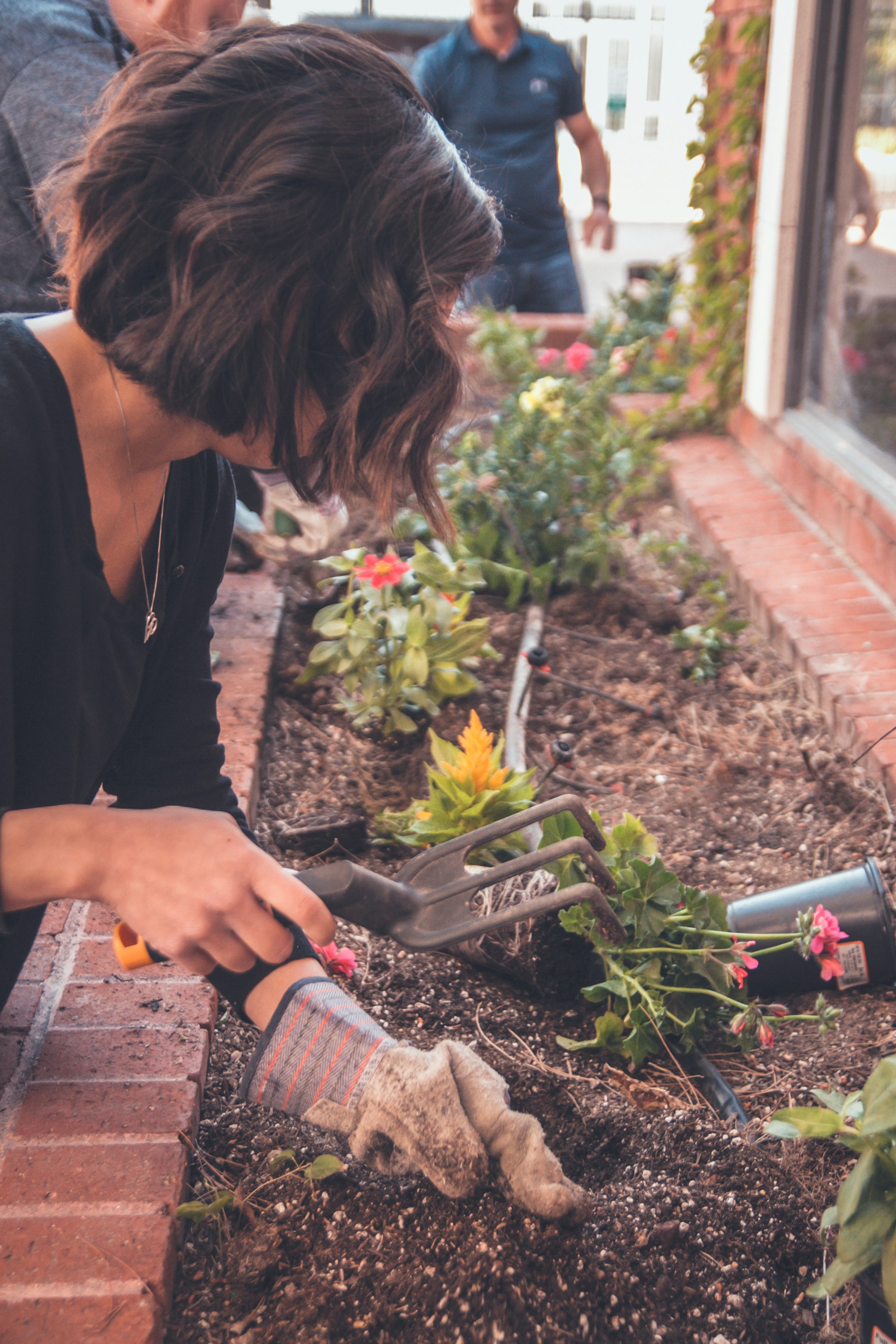
Edible landscaping brings vegetables, herbs, and fruit into the parts of a yard usually reserved for ornamental plants. A sunny front border can hold compact peppers, a patio pot can supply fresh herbs, and a berry shrub can provide both spring flowers and summer produce. The result is a useful outdoor space that still feels polished, welcoming, and connected to the home.
The Rise of Edible Landscaping
Home gardeners are finding creative ways to grow food without setting aside a traditional vegetable plot. The idea works in small urban yards, established suburban gardens, and shared community spaces. Projects such as the Fifth Ward food forest also show how productive planting can support larger neighborhood goals.
Interest has grown partly because edible plants can perform several jobs at once. A fruit tree provides shade and seasonal color, while herbs soften a walkway edge. The University of Georgia’s overview of stylish edible landscaping highlights the potential to blend beauty with a practical harvest.
Designing with Food in Mind
Start by mapping the yard’s sunlight, water access, and existing traffic patterns. Most fruiting crops need at least six hours of direct sun, while leafy greens and some herbs can handle light afternoon shade. Keep frequently harvested plants near the kitchen or patio so they’re easy to water, inspect, and pick.
Use repeating colors and shapes to make the design feel intentional. Purple basil can echo dark-leaved ornamentals, while rows of chives create a tidy border. Homeowners planning a larger redesign may want help from a landscaping company that can coordinate planting beds, irrigation, and year-round property care. Professional planning is especially useful when edible plants must fit around mature trees, drainage features or established garden structures.
Best Edible Plants for Aesthetic Appeal
Choose plants for their appearance, mature size and harvest period. Blueberries offer spring flowers, colorful fruit and bright fall foliage, though they require acidic soil. Strawberries form an attractive ground cover along sunny bed edges. In warmer spots, rosemary can become a fragrant evergreen accent.
Compact vegetables also fit easily into ornamental beds. Swiss chard has glossy leaves and vivid stems, while kale adds texture during cool weather. For vertical interest, train scarlet runner beans on a decorative trellis. The NC State Extension guide to growing landscape edibles recommends considering each plant’s soil, light, and maintenance needs. Check mature dimensions before planting so vigorous crops don’t crowd nearby perennials.
Expert Guidance for Productive Landscapes
Professional input can help when a yard has poor drainage, heavy shade or complicated irrigation needs. An experienced designer can identify warmer microclimates, test how water moves across the property, and group plants with similar care requirements. This reduces avoidable problems such as placing thirsty greens beside drought-tolerant herbs.
Ask how the plan will look after harvest. Annual vegetables may leave temporary gaps, so designers often mix them with perennial herbs, flowering plants and small shrubs. Irrigation deserves equal attention. Drip lines place water near plant roots and keep foliage drier, which may lower the risk of some diseases. A clear maintenance plan should also cover pruning, soil improvement, and replacement planting as seasons change.
Seasonal Care for Your Edible Design
Spring is the time to refresh mulch, add compost where soil tests support it, and inspect irrigation lines. Plant cool-season greens early, then introduce warm-season crops after frost danger has passed. During summer, harvest regularly and check leaves for pest damage at least once a week. Prompt attention usually keeps a small issue from spreading through a mixed bed.
In fall, remove unhealthy plant material and collect fallen fruit that could attract pests. Perennial herbs and berry bushes may need selective pruning, but timing varies by species. Winter offers a clear view of the garden’s structure, making it easier to spot empty areas or awkward paths. A well-placed blueberry, herb border, or compact fruit tree can turn that gap into next season’s most productive feature.