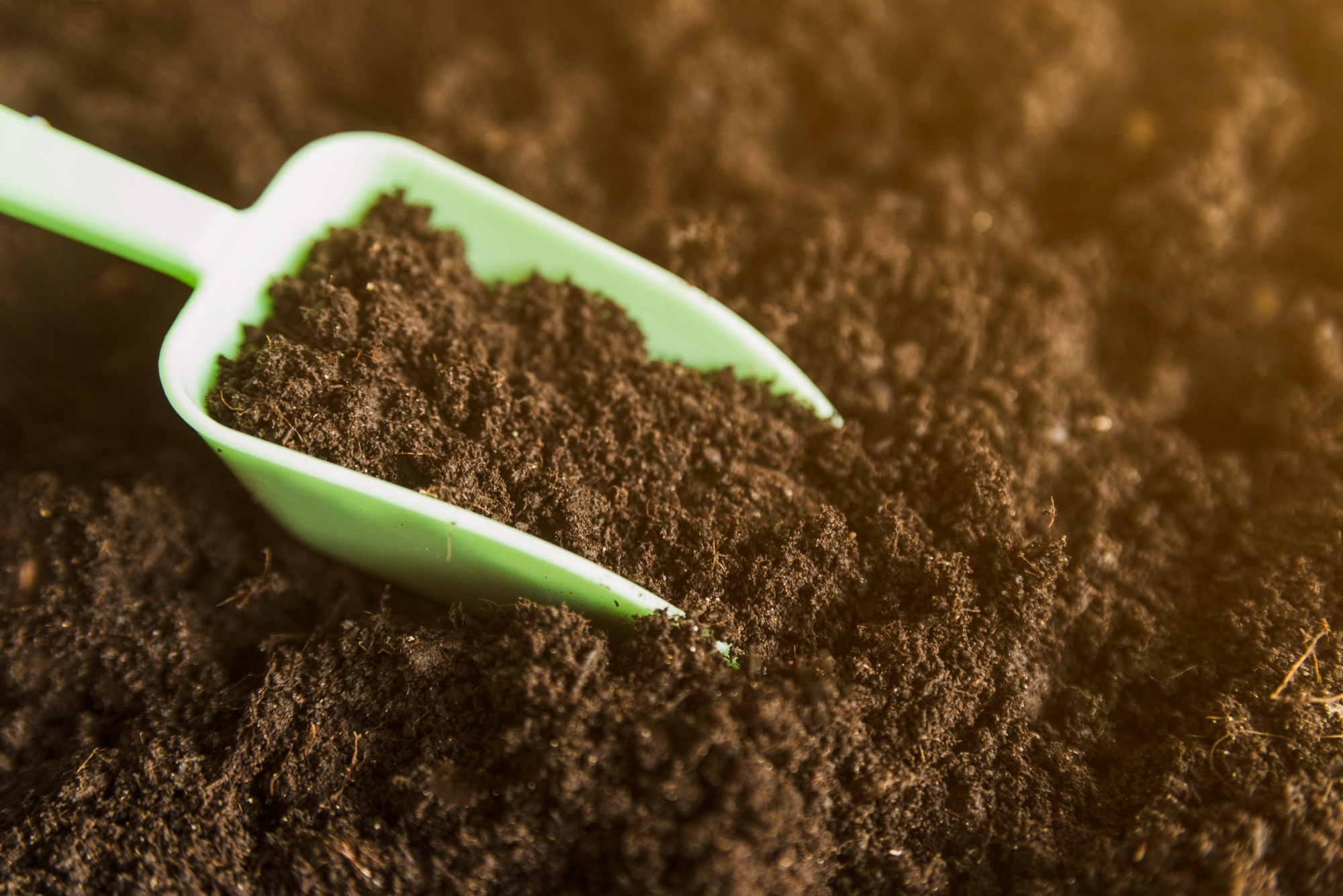
Every homeowner dreams of stepping out onto a thick, emerald-green lawn that feels like a plush carpet beneath their feet. But achieving that picture-perfect yard isn’t just about watering and mowing; it all starts with what lies beneath. The foundation of any healthy lawn is quality topsoil. Whether you are establishing a new lawn, overseeding a patchy yard, or leveling out low spots, the soil you choose makes all the difference. In the United States, where regional climates range from the humid Southeast to the arid Southwest, finding the right soil is critical. However, with the rise of e-commerce, you no longer need to rent a truck and visit a local garden center. Today, you can have premium earth delivered straight to your driveway, saving you time and back-breaking labor.
Navigating the online marketplace for soil can be overwhelming, though. Prices vary wildly, and the quality of "screened topsoil" can differ from one supplier to the next. This guide is designed to help you sort through the digital dirt, so to speak. We will explore the best websites to buy topsoil for grass, what to look for in a product, and how to ensure your investment yields a vibrant, healthy lawn. By the end, you will know exactly where to click and what to order to give your grass the best possible start.
Why Soil Quality Matters More Than Seed
Before diving into the best retailers, it is crucial to understand why the soil is the unsung hero of your landscape. Grass roots need three things to thrive: oxygen, water, and nutrients. Poor soil—often heavy in clay or lacking organic matter—becomes compacted, starving roots of air and preventing water from penetrating deeply. Conversely, sandy soil drains too quickly, washing away nutrients before the grass can absorb them.
High-quality topsoil acts as a buffer. It has a loamy texture, meaning it is a balanced mix of sand, silt, and clay, combined with decomposed organic matter. This composition retains moisture while allowing excess water to drain. When you buy topsoil online, you are essentially buying the future health of your lawn. A cheap, rocky fill will lead to a struggling, yellow turf, while a premium mix will reward you with vigorous growth and drought resistance. Therefore, the source and the screening process of the soil are paramount.
The Convenience of Bulk Delivery
For most residential projects, you will need more soil than a few bags from the hardware store. This is where the concept of bulk topsoil delivery comes into play. Ordering in bulk—typically measured in cubic yards—is not only more cost-effective but also ensures consistency across your entire lawn. You won’t have to worry about mixing different batches of soil that might have varying pH levels or textures.
The beauty of online bulk delivery is the convenience factor. You can order 10 cubic yards of screened loam from your living room couch, and a dump truck will appear at your curb a few days later. However, it is essential to use reputable services that guarantee the volume and quality of their product. When you search for the best websites, look for those that offer transparent sourcing information and customer reviews that vouch for the soil’s composition. This is where specialized landscaping supply companies often outshine general marketplaces.
Top Online Retailers for Quality Topsoil
When it comes to purchasing soil online, you generally have two types of options: national supply chains and local landscape suppliers with robust e-commerce platforms. Both have their merits, and the best choice often depends on your location and the scale of your project.
National Retailers and Big-Box Performance
For smaller projects, or if you need soil delivered quickly, national retailers like Home Depot and Lowe's are reliable options. Their websites allow you to order bags of topsoil for curbside pickup or local delivery. While they don't typically offer true bulk delivery (by the yard) through their standard websites, they do sell "bulk bags" that hold about one cubic yard. These are excellent for medium-sized lawns or garden beds.
The primary advantage of these retailers is convenience and consistency. You know exactly what you are getting because the product is bagged and labeled. However, the cost per cubic foot is significantly higher than buying in true bulk. For a 5,000-square-foot lawn, you would need roughly 15 to 20 cubic yards of soil, which would require a massive number of bags. In this case, it is more practical to look toward specialized suppliers.
Specialized Landscape Supply Companies
This is where you will find the best value and quality for large-scale grass projects. Companies like Mulch Mound and other regional suppliers have perfected the online ordering process. They allow you to specify the exact type of soil you need—whether it is a 50/50 topsoil and compost mix or a pure screened topsoil. These companies operate their own screening equipment, ensuring that rocks, roots, and debris are removed before the soil is loaded onto their trucks.
When you utilize a service like
Bulk Topsoil Delivery, you are buying directly from the source. This eliminates the middleman and reduces the risk of contamination. These suppliers understand that their business depends on the success of your lawn, so they often provide detailed specs regarding the soil’s organic matter content and pH balance. Furthermore, they offer flexible scheduling, allowing you to choose a delivery window that works with your landscaping crew.
What to Look for in an Online Soil Supplier
Not all websites are created equal, and a flashy interface doesn't guarantee good dirt. To ensure you are getting the best product for your grass, you should evaluate potential suppliers based on a few key criteria.
Transparency in Sourcing and Composition
The best websites will tell you exactly where their soil comes from. Is it mined from a local riverbed? Is it a byproduct of municipal composting? Look for descriptions that mention "screened" or "sifted" to ensure consistency. A reputable site will also list the soil’s texture and whether it is suitable for lawns specifically. If the website doesn't provide this information, do not hesitate to call them. A knowledgeable customer service team is a good indicator of a professional operation.
Delivery Logistics and Pricing
Shipping soil is expensive, and the cost is usually calculated based on distance and weight. Websites that offer bulk delivery typically have a calculator that asks for your zip code to estimate freight charges. Be wary of sites that offer "free shipping" on soil, as this is rarely sustainable and often results in the cost being hidden elsewhere. Instead, look for transparent pricing that separates the product cost from the delivery fee. Also, check whether they require a pallet jack or if they have a truck with a lift gate to unload the soil, as this can affect your preparation.
Preparing Your Site for the New Soil
Once you have selected your supplier and scheduled your bulk topsoil delivery, the real work begins. To get the most out of your purchase, you need to prepare the ground properly. If you are adding soil to an existing lawn, you will need to kill off the old grass first to prevent it from growing through the new layer. This can be done with a non-selective herbicide or by solarizing the area with plastic sheeting.
For new lawns, you should till the existing ground to a depth of at least six inches before spreading the new topsoil. This prevents a "layering" effect where water struggles to move between the old and new soil. Once the delivery truck arrives, you will need to spread the soil quickly. Piles left sitting for more than a few days can become compacted and anaerobic, which is detrimental to grass growth. Use a rake and a leveling bar to distribute the soil evenly, aiming for a depth of about four to six inches.
The Importance of Soil Testing
Even the best topsoil can benefit from a little adjustment. After you have spread your soil but before you sow your seed, it is highly recommended to perform a soil test. Many university extension offices in the United States offer low-cost testing kits that analyze pH and nutrient levels. Grass typically thrives in a pH range of 6.0 to 7.0.
If your new soil is too acidic, you may need to add lime. If it is too alkaline, sulfur can help balance it out. Additionally, a soil test will tell you if you need to add a starter fertilizer high in phosphorus, which is essential for root development. By making these adjustments before planting, you ensure that the grass has everything it needs from day one. This proactive step is the difference between a lawn that simply survives and one that truly thrives.
Seeding and Maintenance After Delivery
With your soil properly leveled and tested, you are ready to plant. Whether you choose to lay sod or sow seed, the immediate aftercare is critical. If seeding, you should lightly rake the seed into the top quarter-inch of soil to ensure good seed-to-soil contact. Then, apply a layer of straw or a seed blanket to retain moisture and prevent erosion.
Watering is the most critical factor in the weeks following installation. The soil needs to remain consistently moist but not waterlogged. This often means watering lightly two to three times a day for the first couple of weeks. As the grass establishes, you can transition to deeper, less frequent watering to encourage deep root growth. Remember, the high-quality soil you invested in will hold onto that water, reducing your overall usage and helping the lawn withstand summer heat.
Conclusion: Building the Perfect Lawn Starts Online
In the digital age, transforming your yard is just a few clicks away. The journey to a lush, healthy lawn begins with finding the right supplier and understanding the specific needs of your property. By choosing a reputable company that offers true bulk topsoil delivery, you are making a smart investment in your home’s curb appeal and environmental health. The convenience of having high-quality, screened soil dumped at your curb far outweighs the hassle of hauling dozens of plastic bags from a local store.
Remember to prioritize transparency when selecting a website. Look for detailed product descriptions, clear sourcing information, and honest customer reviews. Don't be afraid to ask questions about the soil’s texture and organic content before you commit. A good supplier wants you to succeed because a beautiful lawn is the best advertisement for their product. With the right preparation, the right soil, and a little patience, you can achieve the vibrant, green landscape you have always wanted. So, research your options, place your order, and get ready to enjoy the best lawn on the block.