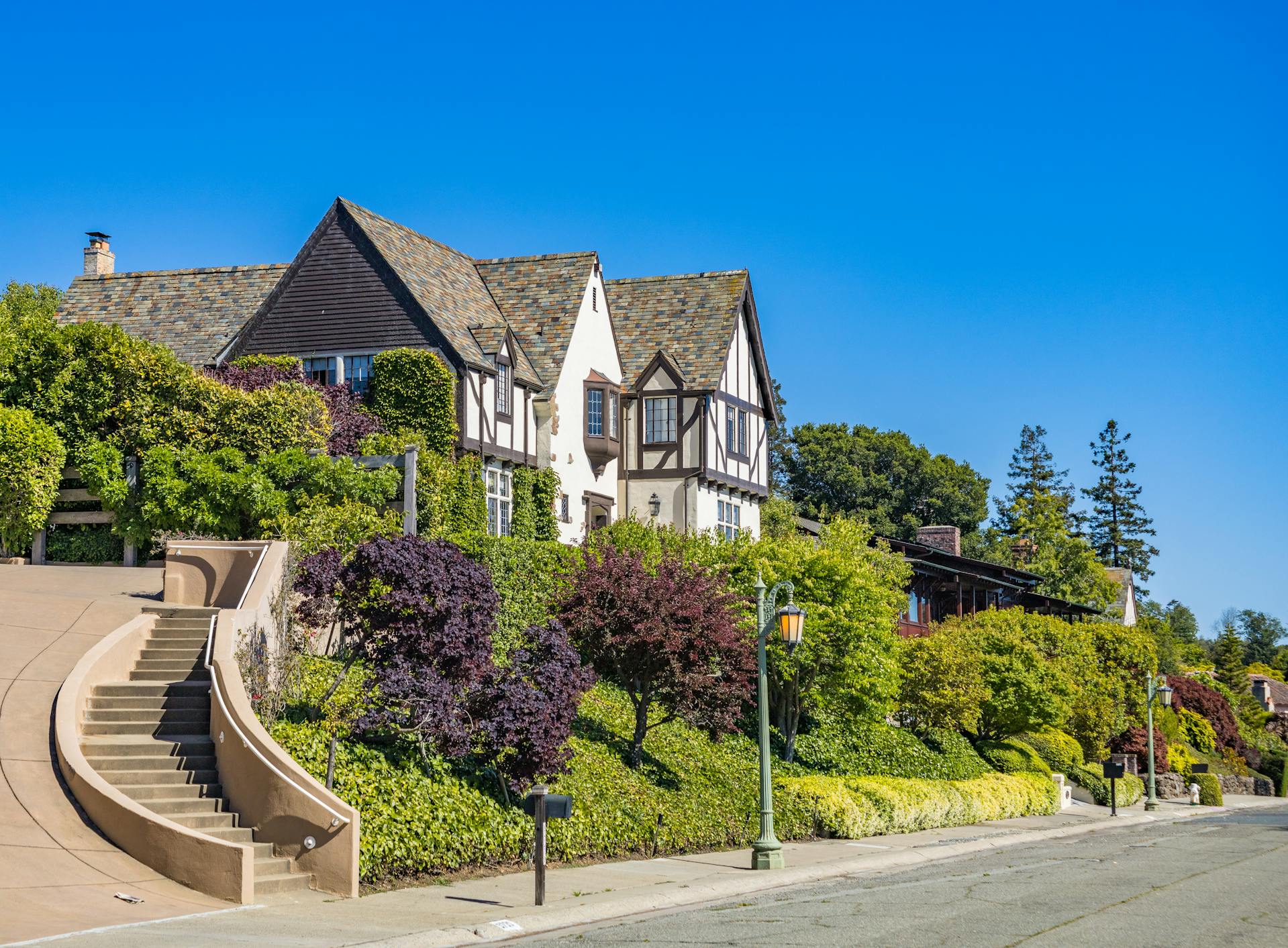
Creating an inviting outdoor space often comes down to finding the right balance between natural elements and structural features. Hardscapes such as patios, walkways, and walls give shape and function to a yard, while greenery brings softness and life. When these elements work together, the result is a landscape that feels both purposeful and refreshing.
For homeowners in Indianapolis, this balance takes on extra importance because of the region’s changing seasons and varied weather. Outdoor designs need to support year-round use while staying visually appealing. With thoughtful planning, it’s possible to design a yard that feels cohesive and adapts beautifully to local conditions.
Choosing Siding to Match Outdoor Elements
Siding colors and textures set the tone for the entire property, creating a backdrop that can either complement or clash with your landscape. Choosing tones that work harmoniously with stone, wood, and plants helps create a seamless visual flow between the house and the yard. Neutral hues often work well because they highlight surrounding greenery while keeping hard surfaces from feeling too harsh.
Homeowners often seek the advice of Indianapolis siding installation experts when updating exteriors to align with their landscape plans. These professionals can recommend materials and finishes that match your home’s style and also withstand local weather patterns. Working with experts means you can select siding that supports the natural and structural features of your outdoor design.
Plants That Soften Stone Features
Stone and concrete elements provide durability and structure, but without greenery, they can appear cold or unwelcoming. Adding plants around these areas helps soften their edges and create a more natural look. Low-growing ground covers, cascading vines, or ornamental grasses can fill in gaps and make hardscapes feel more integrated with the surrounding environment.
Choosing plant varieties that thrive in your region reduces upkeep while keeping the yard vibrant throughout the year. Native plants are particularly effective because they tend to combine naturally with the landscape and require less water and care than exotic species.
Paved Areas with Green Borders
Paved walkways and patios offer convenience and clear pathways, but they can also dominate a yard if left unchecked. Framing these spaces with green borders creates a softer transition between hard and natural surfaces. Shrubs, hedges, or even a strip of flowering plants can break up the visual weight of large paved areas and add color and texture.
This allows you to introduce seasonal interest to your yard. Borders can be designed with plants that bloom at different times of the year, keeping paved spaces from feeling static and giving the landscape a dynamic quality as the seasons change.
Open Green Spaces Around Structures
Large outdoor structures such as pergolas, decks, or sheds can overwhelm smaller yards if not balanced properly. Leaving open green spaces around them helps maintain a sense of flow and prevents the area from feeling crowded. Lawns, open garden beds, or low-maintenance ground covers can act as breathing room for the harder elements.
Apart from improving aesthetics, this layout also enhances functionality. Open spaces create flexible areas for gatherings, play, or relaxation.
Planters and Containers for Flexibility
Planters and containers are an easy way to add greenery without committing to permanent planting beds. They let you experiment with placement, swap out plants seasonally, and add color where in-ground planting isn’t possible. Containers also work well on patios, decks, and paved areas, softening hard surfaces with bursts of natural texture.
Choosing planters in materials that echo your hardscape, like stone, concrete, or natural wood, helps tie the overall design together.
Seating Surrounded by Greenery
A seating area feels more inviting when surrounded by plants that add privacy and visual interest. Positioning benches or chairs near low shrubs, ornamental grasses, or tall planters creates a cozy atmosphere that blends the comfort of indoor living with the freshness of the outdoors.
For smaller spaces, even a single accent tree or a cluster of potted plants can provide a sense of enclosure without making the area feel cramped. Thoughtfully placed greenery also helps shield seating areas from harsh sun or wind.
Climbing Plants for Walls and Fences
Blank walls and fences often make a yard feel rigid, but climbing plants can transform them into living, textured backdrops. Vines like clematis, ivy, or climbing roses add softness and movement to vertical surfaces while improving the overall balance between manmade and natural elements.
In addition to their aesthetic appeal, climbing plants can enhance privacy and shade, making them a practical addition to your outdoor space. Trellises or wire grids offer support for these plants without adding bulk to the design.
Bold Hardscapes with Delicate Flowers
Pairing strong hardscape elements like stone walls or concrete patios with delicate flowering plants creates visual balance. The bold lines of structural features provide a grounding effect, while soft blooms add color, fragrance, and a sense of lightness.
Choosing perennial flowers that return year after year helps maintain this harmony without requiring constant replanting. Mixing textures like pairing rough stone with feathery blooms can create a dynamic yet cohesive look.
Water Features for a Softer Feel
Adding a water feature brings movement and sound to a yard dominated by hardscapes. Fountains, small ponds, or bubbling urns introduce a calming quality that contrasts beautifully with solid surfaces.
Even compact spaces can benefit from water elements, as they naturally draw the eye and make hardscapes feel less static. Surrounding water features with greenery enhances their impact and supports a tranquil outdoor atmosphere.
Vertical Gardens on Hard Surfaces
For walls or fences that can’t be covered with climbing plants, vertical gardens offer an alternative. These installations allow you to grow flowers, herbs, or succulents in modular panels or pockets, bringing life to otherwise unused surfaces.
Vertical gardens are especially useful in smaller yards where ground space is limited. They allow you to maximize greenery without sacrificing functional areas like patios or walkways.
Retaining Walls for Levels and Interest
Retaining walls are often necessary in sloped yards, but they can also add visual depth and create defined planting zones. Terraced designs provide opportunities to incorporate greenery at different heights, making the space feel layered and inviting.
Using natural stone or materials that merge with your landscape helps retaining walls feel integrated rather than imposing. Adding trailing plants along the edges softens their appearance and enhances their role as both functional and decorative features.
Patios That Flow into Landscapes
A patio that feels disconnected from the surrounding yard can disrupt the flow of your outdoor space. Designing it to transition naturally into planting beds or grassy areas creates a seamless extension of your living area.
Curved edges, stepping stones, or blended ground covers can help soften the boundary between hard and soft elements.
Balancing hardscapes and greenery is about creating a partnership between structure and nature. When these elements work together, they transform a yard into a space that feels intentional, functional, and alive. Thoughtful design choices like complementary siding, smart plant selection, and well-placed features help outdoor spaces stay beautiful and practical for years.