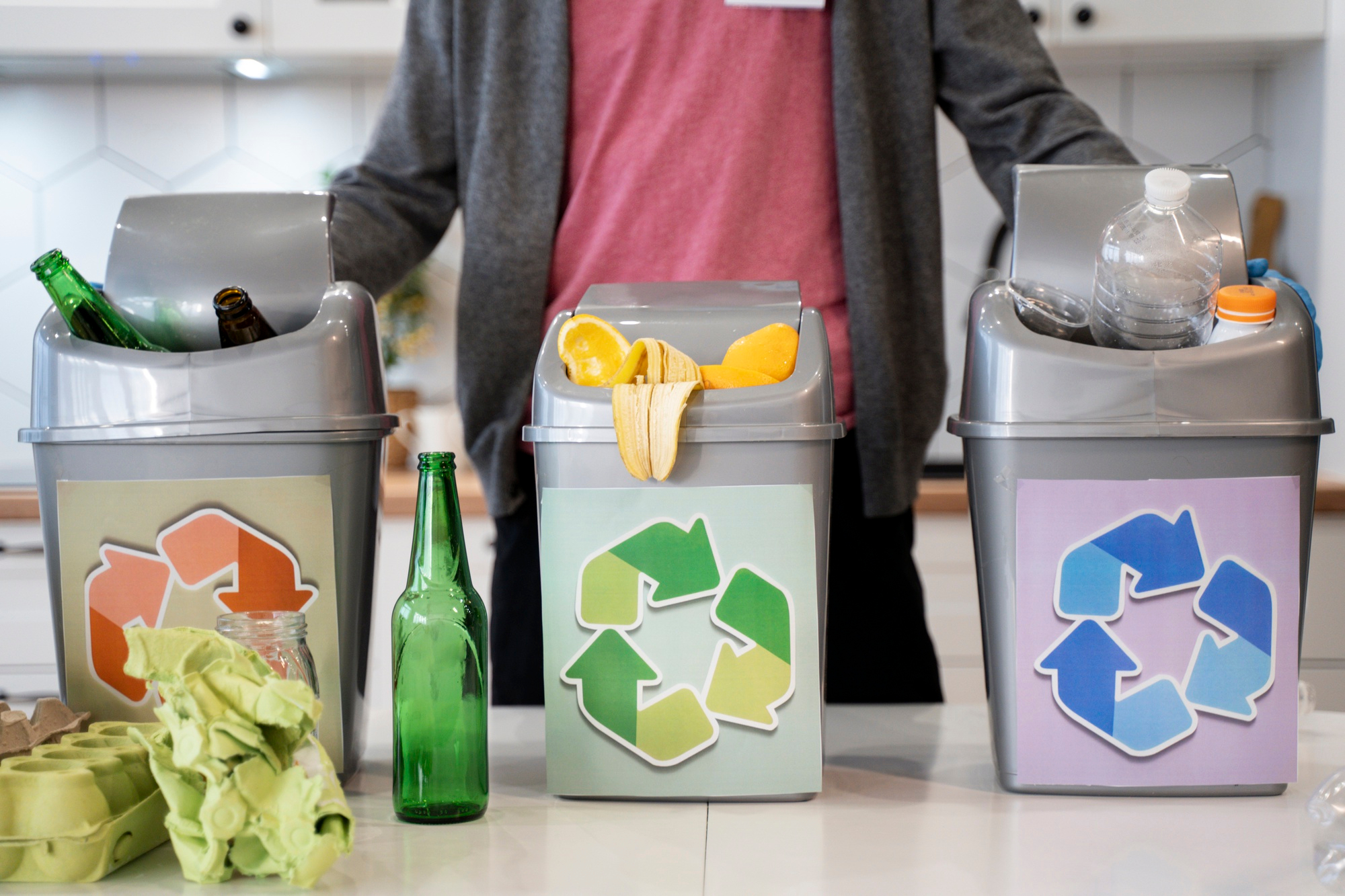
When you think about living sustainably, things like gardens, compost, and solar panels probably come to mind. But there's something else that's super important but often missed: how we deal with our trash. It doesn't matter if it's old fertilizer or chemicals from a clinic - how we get rid of stuff affects our soil, water, and air.
For a while now, being sustainable has gone way past just our homes. Towns and businesses are using better trash management to keep nature safe and cut down on pollution.
When we put effort into our trash at home and at work, we're building a base for a cleaner, greener world.
Why Trash Is a Big Deal for the Environment
The world makes over 2.2 billion tons of trash every year, says the World Bank. And they think that number will jump 70% by 2050. A lot of that trash, especially from homes, goes to landfills. There, it lets out methane, a gas that warms the earth way more than carbon dioxide.
At home, it's really important to compost, recycle, and use less plastic. But there's something else that quietly hurts the environment: not getting rid of things like batteries, paint, or cleaners the right way. If those things leak, they can mess up our water and hurt plants and animals.
That's where companies that handle trash come in to play. They usually work with businesses and hospitals, but the ideas they use like being responsible, following the rules, and protecting the environment are good for everyone.
Sustainable Waste Management at All Levels
Composting at Home
Composting at home is a simple way to make less trash. The EPA says that food and yard waste are over 30% of what people toss out. If we compost them, we can cut down on methane and make our soil better for gardening.
All you need to do is mix greens (like veggie scraps) with browns (like dry leaves). In a few months, you'll have great compost.
How Businesses Are Cutting Back on Trash
Businesses have bigger problems than just compost bins. Factories and hospitals make trash that needs to be handled carefully.
Some companies focus on dealing with medical and risky waste by following all the rules. They might use machines to sterilize waste or turn it into energy. That way, it doesn't just sit in a landfill.
Some companies, like Advant-Edge Solutions of Middle Atlantic, Inc. offer regulated waste solution for businesses, helping them with throwing away materials that can’t go into conventional trash systems
We can learn from this at home. Even getting rid of small amounts of risky stuff the right way like old paint or medicine can keep our water and soil clean. You can check with your local trash company to find places to get rid of things safely.
We All Have a Part: Home and Business Sustainability
What we do at home and what businesses do are more connected than you might think. Hospitals, schools, and small businesses need trash programs to follow the rules and be kind to the environment. At the same time, we can all help by making less trash and stopping pollution where it starts.
For instance, one battery thrown in the trash can spark a fire in a trash truck or landfill. The EPA says that battery fires are up 40% since 2021. Getting rid of them the right way is key for safety and being sustainable.
If we handle trash well at home and work, we can move toward a system where everyone makes less trash and reuses things.
The Future of Trash: Smart, Clean, and Using Data
Going forward, being sustainable means using data. Trash companies are using tracking, route planning, and reports to lower their impact on the environment. For example, smart bins can tell cities when they're full, which means fewer truck trips and less gas used.
We're also seeing similar things at home. There are apps that help you track your trash, find recycling options, and make being sustainable a game. Companies are using software to track risky waste from start to finish.
This clear, tech-based way of doing things makes sure that trash isn't just gone but is handled responsibly.
Building a Better Future Together
Being sustainable isn't just about your backyard; it's about all the choices we make. People at home can compost and recycle. Businesses can safely get rid of risky waste and invest in cleaner ways of doing things.
When everyone works together, we can keep harmful trash out of the environment and reuse valuable things.
Whether it's a compost bin or a fancy waste plant, every little bit helps our planet.