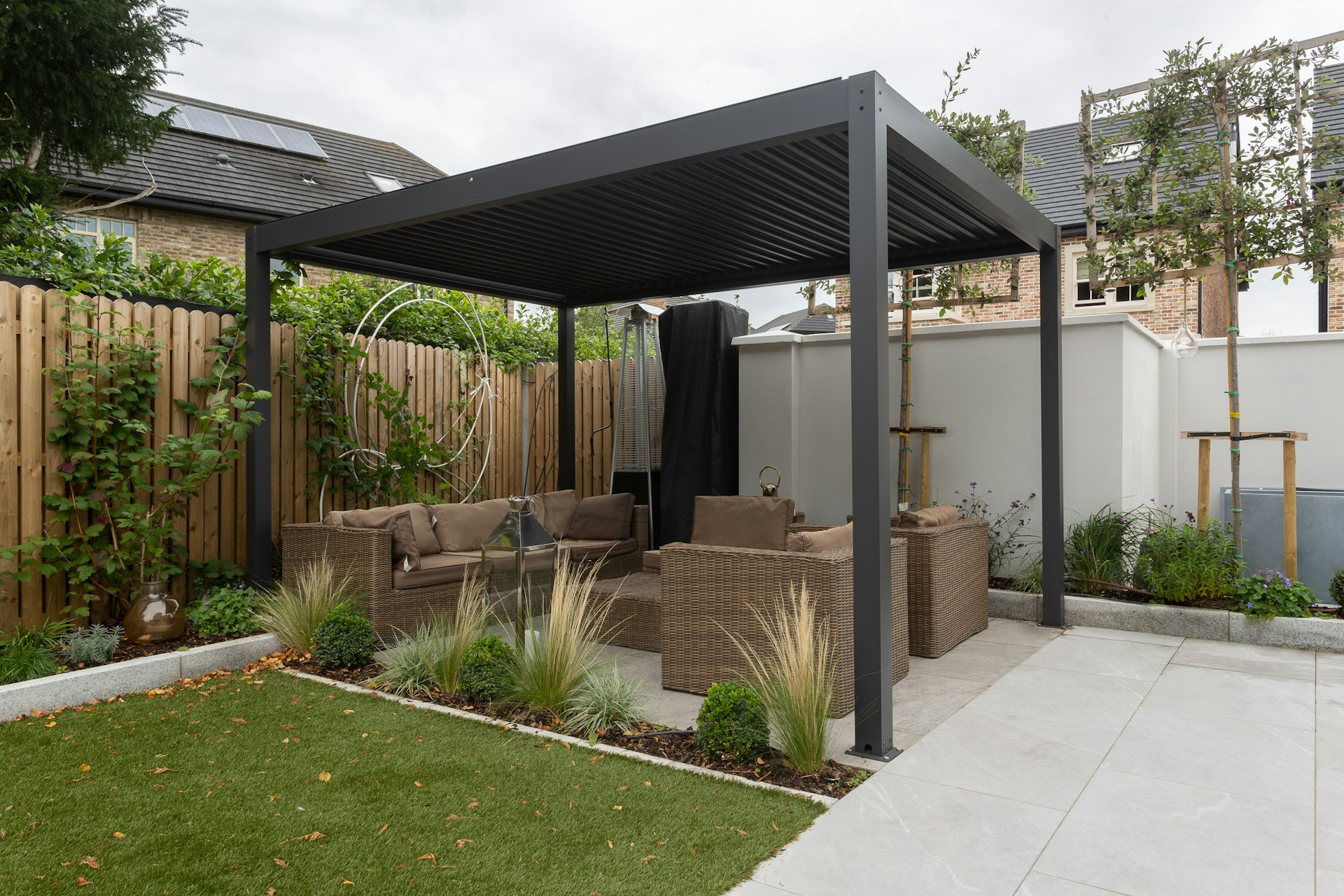
The idea of home has evolved beyond four walls and a roof. Living spaces now extend outward, inviting fresh air, natural light, and a sense of openness into everyday routines. Blending indoor comfort with outdoor living is an art that balances warmth, functionality, and visual harmony. It creates environments where boundaries feel soft rather than rigid, allowing people to move easily between enclosed interiors and open surroundings. This approach does not aim to replace indoor living but to enrich it by thoughtfully connecting it with the outdoors.
At the heart of this concept lies intention. Every element, from furniture placement to material choice, works together to create continuity. When indoor and outdoor spaces feel connected, the home becomes more inviting and adaptable. Morning coffee, quiet reading time, social gatherings, and peaceful evenings can all unfold across spaces that feel cohesive and comfortable.
Creating Transitional Spaces That Feel Natural
Transitional spaces play a vital role in uniting indoor and outdoor living. These areas act as gentle bridges that ease movement from one environment to another. Covered patios, sunrooms, and enclosed porches offer shelter while still allowing natural light and airflow. They provide comfort similar to indoor rooms while maintaining a strong connection to the outdoors.
Within these spaces, design choices should feel intentional rather than temporary. Flooring that complements interior materials helps create visual flow. Furniture with soft textures and supportive shapes encourages relaxation without feeling out of place. Lighting should mirror indoor warmth while adjusting to natural light patterns throughout the day. When transitions are designed with care, they invite use throughout the year and become essential parts of daily life.
Designing Outdoor Structures That Extend Living Areas
Outdoor structures bring clarity and intention to open spaces, helping them function as natural extensions of the home rather than separate areas. Pergolas fit seamlessly into this role by offering light shade, visual structure, and a gentle sense of enclosure that supports comfort while preserving an open, airy connection to the surrounding environment.
The presence of a well-designed structure encourages consistent use of outdoor spaces. It creates a sense of room without walls, allowing furnishings, lighting, and decor to mirror interior styles. When these structures align with the architectural character of the home, the result feels intentional and balanced rather than added on. The outdoor area becomes a natural continuation of daily living rather than a separate zone.
Choosing Materials That Connect Indoors and Outdoors
Material selection is one of the most powerful tools in blending indoor and outdoor spaces. Consistency in textures, colors, and finishes helps create a unified aesthetic. Natural materials bring warmth and familiarity, making outdoor areas feel as inviting as interior rooms. Wood, stone, and woven surfaces contribute to a sense of comfort while maintaining durability.
Color palettes also play an important role. Neutral tones that appear indoors can extend outward, allowing the eye to move smoothly across spaces. Soft earth-inspired hues feel calming and timeless, supporting a relaxed atmosphere. Fabrics chosen for outdoor use should echo the softness of indoor textiles while standing up to environmental exposure. When materials work together across spaces, the transition feels effortless. This thoughtful alignment of materials helps reinforce continuity, making the entire living environment feel cohesive and intentionally designed.
Using Furniture To Blur Boundaries
Furniture choices can either separate or connect indoor and outdoor living. When styles complement each other, the boundary between spaces becomes less noticeable. Comfortable seating, supportive cushions, and thoughtful layouts encourage people to linger outdoors without sacrificing comfort.
Scale and proportion matter greatly. Furniture should feel appropriate for the space while allowing easy movement. Arrangements that encourage conversation and relaxation reflect the same priorities found indoors. Storage elements that mirror interior design help maintain organization and reduce visual clutter. When outdoor furniture feels as comfortable and intentional as indoor pieces, the space becomes a true living area rather than an occasional retreat.
Lighting That Enhances Comfort Across Spaces
Lighting plays a subtle yet powerful role in unifying indoor and outdoor living. The goal is to create a consistent sense of warmth and visibility while respecting different needs throughout the day. Soft lighting encourages relaxation and extends usability into the evening hours.
Layered lighting works well in both environments. Ambient light provides overall illumination, while focused lighting highlights specific areas or features. Outdoor lighting should feel inviting rather than harsh, echoing the warmth found indoors. When lighting design aligns across spaces, evenings feel seamless and welcoming, encouraging movement and connection.
Comfort As A Shared Priority
Comfort remains the foundation of successful indoor and outdoor integration. Outdoor spaces should offer protection from the elements while maintaining a sense of openness. Shade, ventilation, and privacy contribute to comfort without sacrificing connection to nature.
Acoustic comfort also matters. Soft surfaces, strategic placement of plants, and thoughtful design help reduce unwanted noise and create a peaceful atmosphere. When outdoor spaces feel calm and comfortable, they invite daily use rather than occasional visits. Comfort transforms outdoor living from an idea into a lifestyle. This shared focus on comfort ensures that indoor and outdoor spaces support rest, connection, and everyday living with equal ease.
Personal Expression Through Unified Design
Blending indoor comfort with outdoor living allows for personal expression across the entire home environment. Decor choices, textures, and colors can reflect individual style while maintaining cohesion. Outdoor spaces become canvases for creativity that complement interior design rather than stand apart.
Personal touches add warmth and authenticity. Artwork, decorative accents, and meaningful objects can appear outdoors when chosen thoughtfully. These elements should feel intentional and connected to the overall design story. When indoor and outdoor spaces share a common language, the home feels complete and expressive.
The art of blending indoor comfort with outdoor living lies in balance. It respects the need for shelter and warmth while celebrating openness and nature. Through thoughtful design, careful material selection, and attention to comfort, homes can offer spaces that feel connected, inviting, and adaptable. This approach enhances daily life by creating environments where relaxation, connection, and enjoyment flow naturally from inside to out.